Gear & Tackle
How to Choose a Beginner Rod and Reel Combo for Under $100
A rod and reel combo for beginners takes the guesswork out of your first setup. Here's what to check on the box before you buy one.
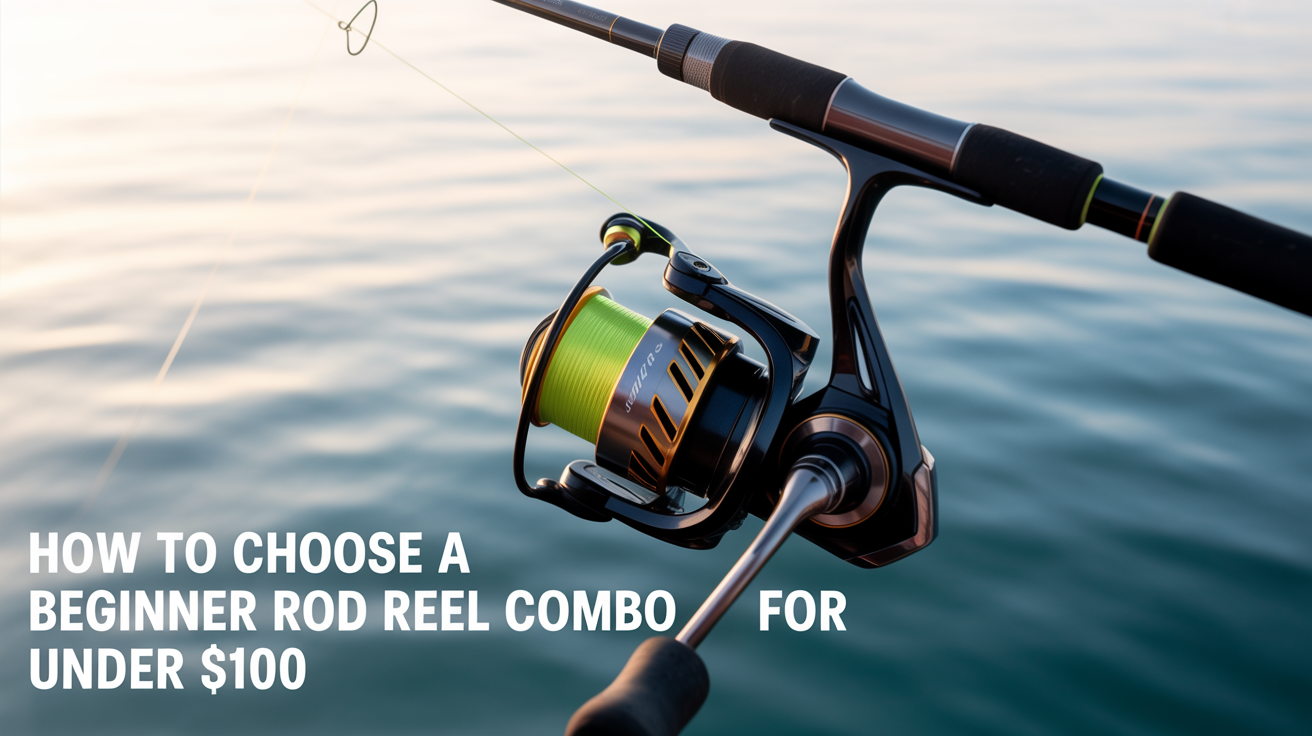
If you're standing in the tackle aisle trying to figure out whether to buy a rod and a reel separately or just grab a rod and reel combo for beginners off the rack, buy the combo. This isn't a compromise. It's the smart move for almost everyone picking up a rod for the first time, and it's how most lifelong anglers actually got started. The pieces are matched at the factory so you don't have to learn reel-to-rod pairing before you've caught your first bluegill.
This guide walks through what a combo actually gives you, what to check on the box before you hand over your money, and where spinning and spincast setups differ for a first purchase. If you want the wider shopping list beyond the rod itself, the seven things to buy first covers that ground.
What a combo actually bundles
A rod and reel combo is exactly what it sounds like: a rod and a reel sold together, already matched by the manufacturer, usually in one box or a long plastic sleeve at the store. Most combos in the beginner price range include a few things you'd otherwise have to buy piecemeal:
- The rod itself, typically two-piece so it fits in a car trunk
- A reel already fitted to that rod's guides and handle
- Line already spooled on the reel, so you can walk out the door and fish that same afternoon
- Sometimes a small tackle kit or a case, though don't count on either
That last point about line matters more than it sounds like it should. A rod and reel with no line on it means a trip to the counter for monofilament, then someone spooling it for you or you doing it yourself with a filler spool and a pencil through the line box. Combos remove that step entirely. For a first purchase, that's worth something.
Why buying pieces separately is the harder path
Assembling your own setup means you need to already know things you probably don't know yet: what rod power pairs with what reel size, what line weight the guides were built for, whether the reel's gear ratio suits the way you plan to fish. None of that is hard once you've been fishing a season or two. It is genuinely confusing on day one, and getting it wrong isn't dangerous, just a little disappointing, like a reel that feels mismatched to the rod in your hand.
Buying separately makes sense once you know you want a specific reel model paired with a specific rod blank because you've fished enough to have opinions. Until then, let the combo's factory pairing do that work for you.
What to check on the box
Not every combo in the under-$100 range is built the same, and a few minutes reading the box saves you a return trip.
Rod power and action
Look for "medium" or "medium-light" power on the rod. Power describes how much force it takes to bend the rod, and medium or medium-light is the sweet spot for the fish a beginner is most likely to catch: panfish, largemouth bass, and smaller trout. Too light and you can't handle a decent bass. Too heavy and you won't feel a panfish bite at all. Action, the part of the rod that bends, matters too; a moderate or fast action gives you a good mix of feel and backbone for general-purpose fishing. If this terminology is new, our full breakdown of rod length, power, and action goes deeper into what each spec means and why it's on the rod at all.
Reel size
For freshwater spinning reels, look for a size in the 2500 to 3000 range, sometimes labeled 20 or 25 on some brands' sizing charts. This size holds enough line for typical freshwater casting distances without being heavy enough to tire your arm out over an afternoon. Smaller reels (1000 to 2000) are built for ultralight panfish work and run out of line capacity fast if you hook something bigger. Bigger reels (4000 and up) are overkill for a beginner and add unnecessary weight to a rod that's supposed to feel comfortable, not like a workout.
Line already spooled
Check whether the box specifies the line already loaded, and at what test (pound-test rating). Ten-pound monofilament is a reasonable all-purpose starting point for bass and panfish water. If the box doesn't mention line at all, assume you'll need to add it, and budget a little extra for a filler spool.
Spinning vs. spincast for a first combo
Both styles show up in the under-$100 range, and both will genuinely work. Here's how they compare for someone buying their first rod and reel.
| Spinning combo | Spincast combo | |
|---|---|---|
| Casting learning curve | Slightly more practice to avoid backlash | Nearly foolproof, push-button cast |
| Casting distance and accuracy | Better long-term, especially with lighter lures | Shorter range, less precise |
| Durability over years of use | Holds up well if kept clean | Enclosed nose cone wears out sooner |
| Best for | Anyone planning to stick with fishing | Very young kids or a strictly casual, occasional angler |
| Typical anglers who choose it | Teens through adults, most guides recommend it | Parents buying a first rod for a small child |
If you're an adult or teenager buying your own first setup and you plan to actually keep fishing, go spinning. The button-and-guide learning curve takes maybe an hour of practice in a backyard or a park before it feels natural, and you won't outgrow the reel the way you can outgrow a spincast. Spincast still earns its spot for very young kids, where the closed face keeps line tangles to a minimum and a five-year-old can focus on reeling instead of managing backlash.
Why a baitcaster is not the right first combo
Baitcasting reels show up in some combo packages too, often at a tempting price, and they are not the move for a first rod. Baitcasters demand a real learning curve around thumb control on the spool to avoid backlash, the tangled nest of line that happens when the spool spins faster than the lure is pulling line off it. Experienced anglers use baitcasters because they offer better control with heavier lures and lines once you've built the feel for it. That feel takes real casting practice to develop, and a beginner fighting backlash on every third cast is a beginner who gets frustrated and stops fishing. Start with spinning, and revisit baitcasters once you've got a season of spinning-reel experience under your belt. This comparison of spinning reels and baitcasters walks through the tradeoff in more detail if you want the fuller picture before you decide.
What changes as you spend more within that range
Within the under-$100 bracket, you'll notice a real difference between the lower end and the upper end of that range, even though both are still budget combos. Cheaper combos tend to use lower-quality drag systems, the part of the reel that lets line slip out under pressure so a hard-pulling fish doesn't snap your line, and that drag can feel grabby or inconsistent. Reels toward the higher end of the range usually have smoother drag, better sealed bearings that resist grit and water intrusion, and rod blanks with a bit more sensitivity for feeling bites. None of this means a lower-priced combo won't catch fish; it will. It just means the experience gets smoother as you move up, and that's worth knowing so you don't feel like you need to spend the maximum to get a workable setup.
Getting it ready to fish
Once you've picked a combo, the setup itself is quick: spooling extra line if needed, attaching the reel to the rod seat, and tying on your first hook or lure. If you want the full walkthrough from box to first cast, how to set up a fishing rod from scratch covers every step in order, including the parts that trip up first-timers, like reel seat orientation and line twist.
Frequently Asked Questions
Is a $100 combo actually good enough to catch fish?
Yes. Combos in this range are built for exactly the fish a beginner is most likely to target, panfish and bass in ponds, lakes, and slow rivers. You won't get the smoothness of a premium reel, but the gear will do its job if you match power and reel size correctly and take reasonable care of it.
Should I buy the rod and reel separately instead to save money?
Not for a first setup. Buying separately only saves money if you already know which reel pairs well with which rod blank, and getting that pairing wrong wastes more money than a combo saves. Once you've fished a season and know your preferences, buying pieces separately makes more sense.
What line weight should already be on the reel?
Ten-pound monofilament is a solid all-purpose choice for most freshwater panfish and bass water. If the combo ships with something noticeably lighter, like four or six-pound test, it's likely built more for panfish than for bass, which is fine if that's your main target.
Do I need a case or tackle box included with the combo?
No. A case is convenient but not necessary. A basic plastic tackle box or even a small bag for hooks, weights, and a few lures will get you fishing just as effectively, and you can upgrade storage later once you know how much gear you're actually carrying.
How long should a beginner combo in this price range last?
With basic care, rinsing it after use in salt or dirty water and keeping the reel out of sand and grit, a decent combo in this range should hold up for several seasons of regular use. The rod will likely outlast the reel, since reels have more moving parts that wear with use.