Species Guides
Yellow Perch Fishing: Easy to Find, Easy to Catch, Great on the Table
Learn how to catch yellow perch with light spinning gear, small live bait, and a simple dropper rig. One of the best beginner fish in any freshwater lake.
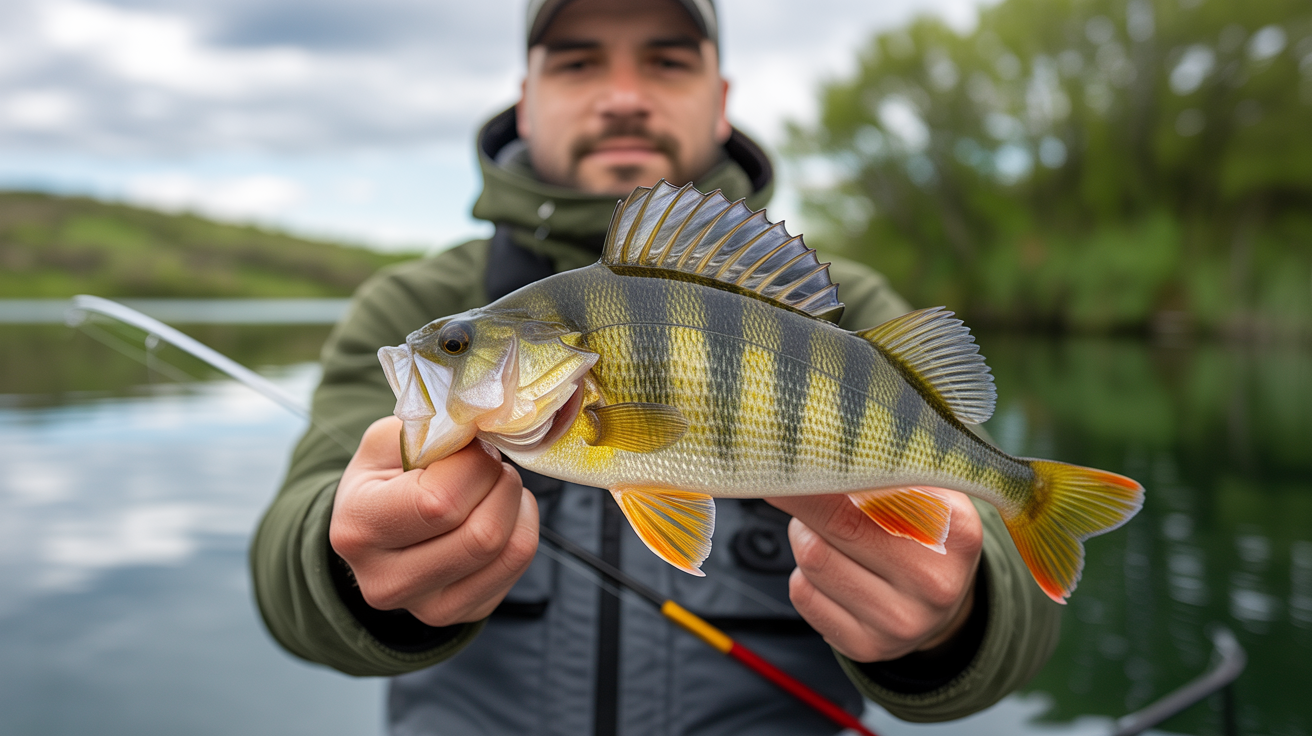
Yellow perch are one of the most beginner-friendly fish in freshwater lakes, and they also happen to be among the best-tasting. If you have never chased them before, this guide covers exactly where they hold, what they eat, and the simple rig that puts several fish in the net on a single drop.
Why Yellow Perch Deserve More Attention
Yellow perch get overlooked because they are not the biggest fish in the lake and they do not jump or run when hooked. What they do offer is consistent, predictable action, especially for anyone who is still building confidence on the water.
A few things that make them ideal for beginners:
- They travel in schools. Find one perch and you have almost certainly found thirty more within casting distance. When you locate the school, you can catch fish steadily for an hour or more before they move.
- They bite aggressively. Perch are opportunistic feeders. They do not require finesse presentations or perfectly tuned gear. A small piece of live bait or a tiny jig dropped to the right depth triggers strikes reliably.
- They are legal to keep almost everywhere. Unlike bass or walleye, yellow perch are managed as a panfish in most states, which means reasonable bag limits and no minimum size in many waters (though regulations vary, so check before you go).
- They taste excellent. Perch fillets are firm, white, and mild. Many anglers consider them the best-eating freshwater fish available, pound for pound.
If you enjoy catching crappie, yellow perch will feel familiar. Both are schooling panfish that respond well to small live baits and light tackle, but perch tend to hold slightly deeper and bite at a wider range of temperatures, including through the ice in winter.
Where to Find Yellow Perch
Yellow perch are lake fish. They thrive in clear, cool lakes with moderate weed growth and hard or sandy bottoms. Rivers hold them too, but lakes are where most anglers target them.
Depth and Structure
Perch spend most of their time in the 8- to 20-foot range. They avoid both the shallows and the very deep open water. Within that depth band, they congregate around a few specific features:
- Rocky points and gravel bars. The transition from a rocky point into deeper water is a classic perch spot. The structure holds crayfish and minnows, which attract perch throughout the day.
- Dock pilings and bridge supports. Pilings create vertical structure that fish use as a reference point. Perch hold near the base of pilings in the 10- to 15-foot zone, especially during midday when light drives them a little deeper.
- Sandy flats with sparse weeds. Perch feed heavily on small invertebrates and minnows that live in sandy shallows. A flat that drops from 6 feet to 15 feet over a short distance concentrates them as they follow baitfish.
- Outside weed edges. The outside (deep) edge of a submergent weed bed in 12 to 18 feet of water holds perch, particularly in early morning and evening.
Seasonal Patterns
In spring, perch move shallow to spawn, often in 2 to 6 feet near gravel or rocky substrate. This is one of the best times to catch them from shore. Once water temperatures climb into the mid-60s F, they drop back to their mid-depth comfort zone. In fall, perch school up aggressively before winter and feeding activity increases. Winter is prime time in ice-fishing states; perch are one of the most popular ice-fishing targets for exactly this reason.
Yellow Perch Bait and Tackle
Perch have small mouths, which means small presentations work best. The two most reliable options are live bait and small jigs.
Live Bait
| Bait | Notes |
|---|---|
| Small minnows (1-2 in.) | Most consistent producer; fathead minnows work well |
| Waxworms | Excellent for perch that are in a finicky mood; buy them at most bait shops |
| Small nightcrawler pieces | Hook a half-inch segment through once; whole crawlers drown the bait's appeal |
| Grass shrimp | Where available, these are hard to beat in warm-water months |
Hook size matters. Perch have smaller mouths than bass or walleye. A size 6 or size 8 Aberdeen hook (long shank, easy removal) covers most live-bait situations. For more on choosing the right hook for the job, see fishing hooks explained.
Small Jigs
A 1/16-ounce tube jig or grub tail in chartreuse, white, or perch-pattern colors catches fish when live bait is not available. Tube jigs work especially well when tipped with a waxworm or a small minnow head. The added scent and texture make a difference on slower days.
Blade baits and small swimming jigs also produce, particularly when perch are suspending over deep structure and you want to count down to the right depth before working the lure.
Light Spinning Gear: The Right Setup
You do not need specialized equipment to catch perch, but the right gear makes the experience noticeably better.
- Rod: A 6- to 7-foot ultralight or light-power spinning rod with a fast or medium-fast action. This length gives you enough casting reach from shore or a dock and loads well with light jigs.
- Reel: A 1000- to 2000-size spinning reel. Any well-reviewed reel in this size class handles perch fishing without issue.
- Line: 4- to 6-pound monofilament. Mono has enough stretch to absorb the light hook sets that perch require, and it sinks slowly, which works well for dropper rigs. Braided line in 6- to 8-pound test with a 4-pound fluorocarbon leader is another option if you want better sensitivity, but mono gets the job done at a lower cost.
This same light-spinning setup works for crappie, bluegill, and most other panfish, so it is a genuinely versatile starting point.
The Two-Hook Dropper Rig
The dropper rig (also called a spreader rig or double-hook bottom rig) is the most efficient setup for catching multiple perch at once. It keeps two baits at slightly different depths, which helps you dial in exactly where the fish are holding in the water column.
How to build a basic dropper rig:
- Tie a snap swivel or small barrel swivel to the end of your main line.
- Cut an 18-inch piece of leader material and attach it to the swivel with a clinch knot.
- Tie a 1/4- to 3/8-ounce bell sinker to the bottom of the leader.
- From the main leader line, leave two dropper tags spaced about 6 inches apart, each roughly 4 to 6 inches long. Tie a hook to each dropper tag.
- Bait both hooks with small minnows or waxworms.
Lower the rig straight down to the bottom, then reel up one to two turns. This lifts the sinker just off bottom and keeps your baits right in the zone where perch feed. When you feel a tap, do not immediately yank. Let the fish take the bait for a second or two, then set the hook with a firm lift. Perch mouths are softer than bass, so a hard hookset is not necessary and can tear the hook free.
Because perch school tightly, you will sometimes haul up two fish at once on this rig. Handle hooks carefully when that happens; two flopping perch with multiple hook points moving around is exactly when punctures occur. Keep a small pair of needle-nose pliers in your tackle bag for unhooking.
Regulations: Size and Daily Limits
Yellow perch regulations vary widely. Some states have no minimum size and generous bag limits on certain lakes, while others have slot limits or daily caps. A few specific waters that have been overfished carry tighter restrictions.
Always check your state fish and wildlife agency's current regulations before you head out. The rules are usually published online and searchable by species and water body. Our fishing regulations guide covers how to find and read state regulation documents if you are new to the process.
Once you bring perch home, they clean easily and quickly. A sharp fillet knife and a basic technique go a long way. For a step-by-step walkthrough, see how to clean and fillet a fish. Perch fillets are thin, so a light pan-fry in butter or a simple beer batter produces excellent results without much preparation.
Frequently Asked Questions
What time of day is best for catching yellow perch? Early morning and late afternoon produce the most consistent action. Perch move shallower to feed when light levels are lower, which puts them more accessible to anglers. Midday fishing still works, especially when you target deeper structure like rocky drops and dock pilings.
What depth should I fish for yellow perch? Most yellow perch hold between 8 and 20 feet. Start at 12 feet near hard structure like gravel bars or dock pilings and adjust based on where you get bites. If you are not getting takes within 10 to 15 minutes, try a foot or two shallower or deeper.
Do yellow perch bite in cold water? Yes. Perch remain active in cold water better than many other species. Water temperatures in the high 30s to mid-40s F still produce good catches, which is part of why ice fishing for perch is so popular across the northern United States.
How do I know if I have found a school? If you catch one perch, drop right back into the same spot immediately. If you catch a second and third within a few minutes, you are in a school. Anchor or hold position and keep working that depth and location until the bites stop or slow dramatically.
Is a boat required to catch yellow perch? Not at all. Shore and dock fishing is productive throughout the season. In spring, perch move to within casting range of most public access points. A long cast with a dropper rig is often enough to reach the 10- to 15-foot zone where perch spend most of the summer.