Getting Started
Where to Fish: How to Find a Good Spot Near You
Learn how to find fishable water near you using state agency maps, fishing apps, satellite view, and local bait shops — no boat required.
The hardest part of your first fishing trip often has nothing to do with casting or knots. It's figuring out where to go. You don't need a boat, a guide, or insider knowledge to find productive water. Most states have more publicly accessible fishing than beginners realize, and the tools to locate it are free.
Here's how to find fishable water near you, starting today.
At a Glance
- Your state fish and wildlife agency's public-access map and stocking reports are the single best free resource, start there before any app.
- City and county park ponds are often overlooked but genuinely productive, especially for bluegill, bass, catfish, and stocked trout, and they need no boat.
- Fishing apps and satellite imagery let you scout water and structure from home before you commit to a drive.
- Federal public land is a real, often-missed option, national wildlife refuges, national forests, and Army Corps of Engineers reservoirs are frequently open to fishing with just a license.
- A local bait shop's staff has current, hyper-local knowledge no app replicates, ask a specific question and buy your bait there.
- Navigable rivers and streams are usually public even when the adjacent land is private, confirm your state's specific rule before wading onto a bank.
Start With Your State Fish and Wildlife Agency
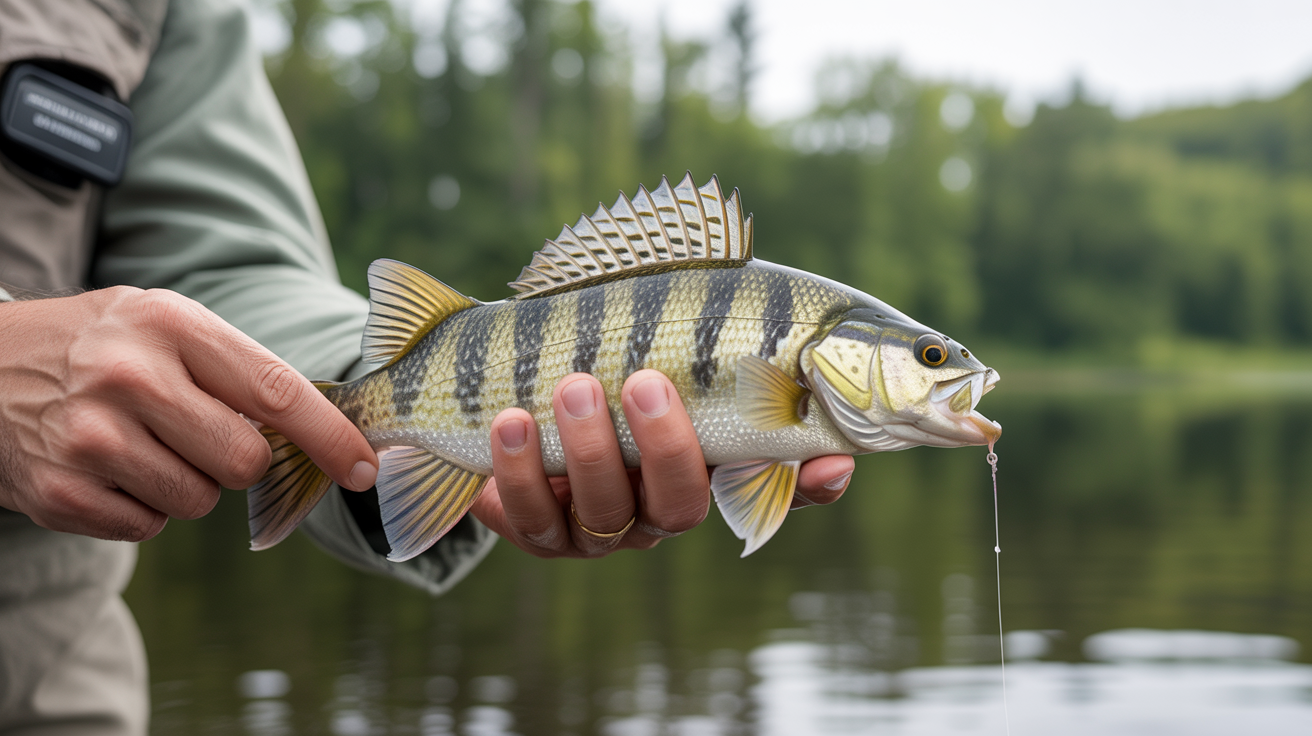
Your state's fish and wildlife agency (or department of natural resources, depending on where you live) is the single best resource for finding legal, accessible fishing spots. These agencies manage public fishing access as part of their core mission, so they publish maps and databases specifically to help anglers find water.
Stocking Reports and Access Maps
Many states maintain a public-fishing-waters map or an interactive access-point database online. Search for your state's name plus "public fishing access" or "fishing access map." What you'll find varies by state, but common features include:
- Lakes and ponds open to public fishing, often with parking and bank access noted
- Streams and rivers with legal public-access corridors
- Boat ramps and bank-fishing sites with directions
- Trout-stocking schedules and locations (highly useful if you're targeting stocked trout)
Stocking reports are particularly worth bookmarking. When a state agency drops a batch of trout into a local pond, it often posts the date and location publicly. Fishing a freshly stocked spot within a day or two of a stocking event is about as close to a sure thing as freshwater fishing gets for beginners.
Verify Your License Requirements First
Public access doesn't mean license-free. Most states require a valid fishing license for anyone above a certain age, and regulations vary by water body, some have slot limits, gear restrictions, or closed seasons. Confirm what you need before you go. Our guide to fishing licenses and how to get one covers the basics.
Community Ponds, City Parks, and Local Stocking Programs
Many cities and counties stock local ponds specifically to give residents easy fishing access. These are often overlooked because they don't feel like "real" fishing spots, but they're genuinely productive, especially for bluegill, bass, catfish, and stocked trout, and they're designed for bank fishing, which means no boat needed.
Look for:
- City or county park ponds. Check your parks and recreation department website. Many list which ponds are open to fishing.
- Urban lakes. Cities from Denver to Detroit manage urban fisheries, sometimes with active stocking programs funded by license fees.
- Stormwater retention ponds open to the public. Some municipalities stock these and open them to anglers; others are off-limits. Always check signage and confirm with local parks staff before fishing one.
These spots tend to have bank access, often some parking, and lighter pressure on weekdays. For a beginner working on basic skills, a well-stocked city pond is hard to beat.
Don't Overlook Federal Public Land
Beyond state parks and city ponds, a large amount of fishable water sits on federal land that beginners rarely think to check. The U.S. Fish and Wildlife Service alone offers fishing at 378 units across the country, 343 national wildlife refuges plus 35 wetland management districts, along with roughly 20 national fish hatcheries that offer public fishing days, according to the USFWS fishing overview. These are managed specifically to balance conservation with public recreation, and many see far less fishing pressure than the well-known lake down the road.
Army Corps of Engineers reservoirs are another large, frequently overlooked category. Many Corps lakes and their surrounding recreation areas, along with National Forest Service and National Park Service waters, can be found and reserved through Recreation.gov, the federal government's central booking and information platform covering thousands of public recreation sites nationwide. Searching by state or region there surfaces boat ramps, campgrounds with bank access, and day-use areas you won't find through a simple map search.
Use Fishing Apps and Satellite Maps to Scout Before You Go
A few free or low-cost tools let you scout water from home before committing to the drive.
Fishing-Specific Apps
Apps like Fishbrain, Navionics (more useful once you're on boats), and OnX Fishing aggregate reported catches, marked fishing spots, and water body data. The user-generated catch reports vary in reliability, but the maps themselves, showing lakes, ponds, rivers, and access points, are genuinely useful for finding water you didn't know existed.
Search by location and filter for freshwater to see what's nearby. Read the comments on reported spots with some skepticism; focus on the geography more than the claimed catches.
Satellite View
Pull up any mapping app with satellite imagery and zoom into your area. Look for water you didn't know was there: small ponds behind neighborhoods, reservoirs at the edge of town, oxbow lakes off rivers. Then cross-reference with public-land layers (available in apps like OnX Maps or CalTopo) to see whether the land around that water is publicly accessible or private.
Satellite view also helps you read a body of water before you arrive. You can spot obvious structural features, points of land that jut into a lake, creek inflows, shallow flats, areas of visible vegetation, that are worth fishing when you get there.
Talk to the Local Bait Shop
This one gets skipped constantly, and it shouldn't. A bait-and-tackle shop that's been in business for years has accumulated local knowledge that no app can replicate. The staff fish the same waters you're asking about, they hear reports from dozens of customers weekly, and they have no reason to steer you wrong, they want you to catch fish so you come back and buy more bait.
Walk in and ask directly: "I'm just getting started. What's the most accessible public water around here for someone fishing from the bank?" You'll usually get a specific answer: a lake name, a stretch of river, a city pond, sometimes even a parking area or access trail. Ask what's biting and what bait or lure to use for the current conditions. Buy your bait there.
Independent local shops are better sources than chain retailers for this kind of specific, current information. If you get a good spot from a shop, that's a relationship worth keeping, a return visit with a report on how you did, good or bad, tends to get you an even better tip next time.
Public Rivers, Streams, and Pier Access
Moving water is often more accessible than people assume. In most states, navigable rivers and streams are considered public waterways. Even where the adjacent land is private, you typically have the legal right to fish while standing in the water or on the bank below the high-water mark, though the rules vary significantly by state, so confirm the specifics before wading onto land that might be privately owned.
Public fishing piers on lakes and reservoirs are another underused option. They extend your reach into deeper water without requiring a boat, and they're often built over structure that holds fish. State parks and Army Corps of Engineers recreation areas frequently maintain piers on their impoundments.
When fishing any river or stream bank, respect clearly posted no-trespassing signs. When in doubt, stay in the water.
What Makes a Spot Worth Fishing
Finding water is only half the job. Once you're there, you need to read it, figure out where fish are likely to be holding rather than casting randomly into open water.
Fish concentrate around features. Understanding a few basic ones will make every spot more productive. For a deeper look, read our guide on reading water and finding where fish hold.
Structure vs. Cover
Structure refers to physical changes in the bottom topography: drop-offs where shallow water falls into deep, underwater points, submerged humps, channel bends. Fish use these as navigation lanes and ambush points.
Cover refers to objects fish hide around or under: fallen trees, dock pilings, weed beds, bridge supports, riprap banks, brush piles. Bass and panfish especially are cover-oriented, if there's a log in the water, something is probably sitting next to it.
A spot with both structure and cover is worth fishing hard.
Inflows and Shade
Creeks and drainage channels feeding into a lake or pond bring oxygenated water, and fish stack up near inflows, especially in summer. Shade, from trees, bridges, or overhanging banks, keeps water temperatures lower and pulls fish in during hot weather.
Shallow vs. Deep
Early morning and evening, fish often move shallow to feed. Midday in summer, they go deeper or tight to shade and cover. This pattern holds across most freshwater species and most water bodies.
Where to Look, by Situation
Different circumstances point you toward different resources. Use this as a starting checklist for your specific situation.
| Your Situation | Where to Look First | What You'll Find |
|---|---|---|
| Total beginner, no gear scouted | State agency access map + local bait shop | Legal water, current bite reports |
| No boat, want easy bank access | City/county park ponds, public piers | Bluegill, bass, catfish, stocked trout |
| Want less fishing pressure | National wildlife refuges, Corps of Engineers lakes | Larger water, fewer anglers, more solitude |
| Chasing freshly stocked trout | State stocking reports and notification emails | Time-sensitive, high-odds windows |
| Live in a water-scarce area | Recreation.gov (federal reservoirs, National Forest lakes) | Larger, farther, but reliably open water |
| Want current, hyper-local intel | Independent local bait shop | What's biting, exact spots, current conditions |
Scouting Checklist for a New Water
Before you commit a full day to an unfamiliar spot, run through this list:
- Confirmed it's open to public fishing (state map, park signage, or agency website)
- Checked applicable license requirements and any special regulations for that water
- Identified at least one bank-access point with parking or a short walk
- Noted any visible structure or cover from satellite view or in person
- Checked for active stocking reports (if targeting trout or stocked panfish)
- Asked at a local shop or checked recent app reports for current conditions
- Looked up current weather, wind, temperature, pressure changes affect fish activity
- Brought enough gear to try a couple of different presentations if one isn't working
If you're still sorting out what gear to bring along, our beginner gear guide covers a practical starting setup that works for most public-water fishing.
FAQ
Can I fish anywhere in a public park?
Not automatically. A park being public land doesn't mean every pond or shoreline is open to fishing. Look for posted signs at the water's edge, check the park's website, or call the parks department. Many urban parks specifically designate fishing areas, and some prohibit it entirely in certain water bodies to protect wildlife habitat.
Is it legal to fish a river if the banks are private land?
It depends on the state. Some states allow anglers to wade in public waterways regardless of bank ownership, as long as they enter and exit at a public access point. Others give private landowners control over the water running through their property. Search for your state's rules on "public trust doctrine fishing" or call your state fish and wildlife agency for a plain-language answer.
How do I find out if a lake or pond is stocked with fish?
Check your state fish and wildlife agency website. Most publish stocking schedules by county or water body, often updated weekly or monthly. You can also sign up for stocking notification emails through some state agency portals, or follow the agency's social media accounts, many post stocking updates in real time.
Do I need special gear for bank fishing compared to fishing from a boat?
Your basic setup works the same either way. From the bank, longer casts help you reach fish that might hold farther out, so a rod in the 6.5 to 7 foot range is useful. You'll also want to position yourself at spots where you can cover the most productive water, near structure or cover, at inflows, or along any depth change you can identify from shore. The complete beginner's guide to getting started covers the full setup and technique picture.
What if there's nowhere obvious to fish near me?
Start with your state agency's public fishing access map, many people are surprised by what's within a 30-minute drive. If you genuinely live in an area with limited public water, look at Army Corps of Engineers reservoirs and National Forest lakes, both searchable through Recreation.gov, and national wildlife refuges open to fishing (searchable on the USFWS fishing page). These are often large, lightly pressured, and fully open to public fishing with nothing more than a valid license.
Are national wildlife refuges actually open to the public for fishing?
Most of them, yes. A large majority of the refuge system permits fishing under specific seasons and rules set by each individual refuge, and many also host dedicated fishing events. It's not a hidden or special-access program, it's simply an option beginners rarely think to check first. Confirm the specific refuge's rules and any permit requirements before you go, since they can differ from your state's general regulations.
How do I know if a spot is too crowded to be worth fishing?
Weekday mornings at city and county ponds are almost always lighter than weekend afternoons, so that's the easiest lever to pull if pressure is a concern. If a well-known lake is consistently packed, look one tier down, a smaller state-access pond, a Corps of Engineers impoundment, or a stretch of public river nearby, often gets a fraction of the pressure and fishes just as well.
Fishing regulations, seasons, and license requirements vary by state and change frequently. Always confirm current rules with your state fish and wildlife agency before you fish. Tackle Theory is an independent resource and is not affiliated with any brand, app, or agency mentioned here.