Getting Started
How to Start Fishing: A Complete Beginner's Guide
Learn how to start fishing with the right gear, rigs, and techniques. A practical beginner's guide covering licenses, tackle, knots, and finding fish.
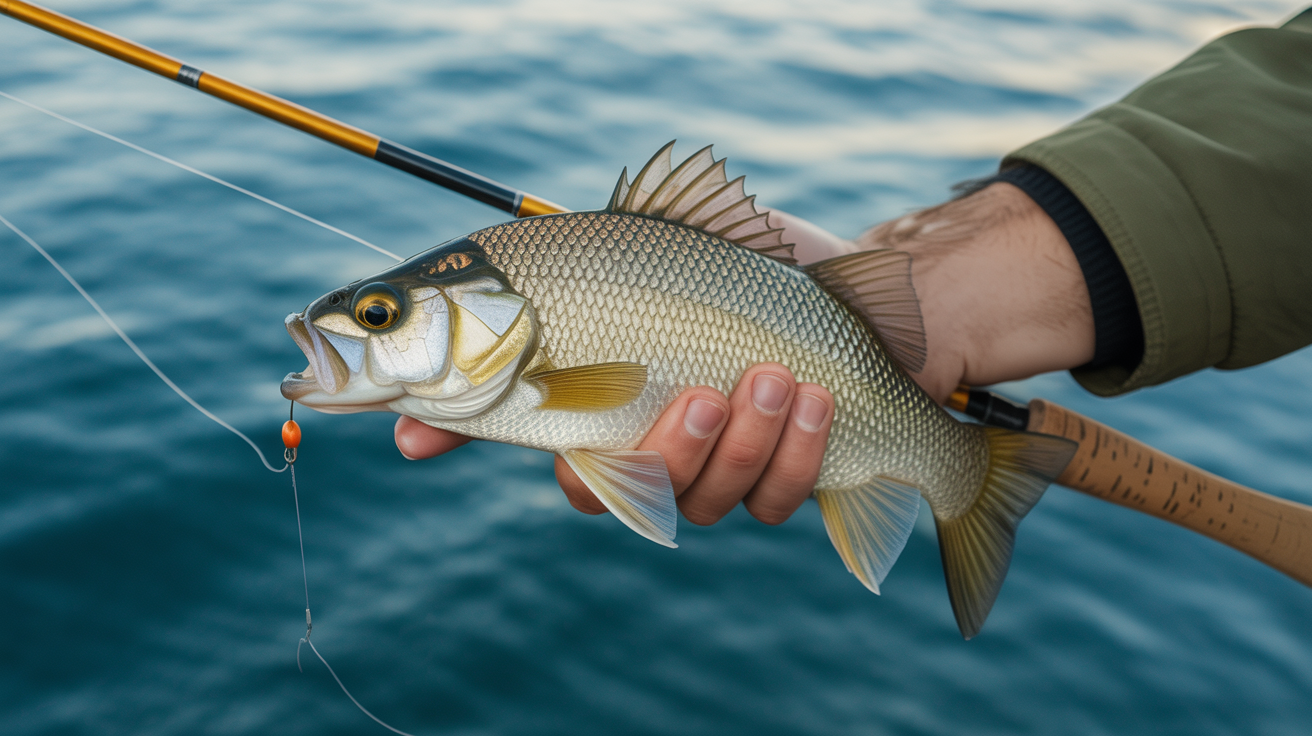
Fishing has a low barrier to entry. A $30 rod-and-reel combo, a few dollars of terminal tackle, and a free afternoon at a local pond or river is genuinely all you need to catch your first fish. This guide walks you through every step: what to buy, how to rig up, where to cast, and what to do when something bites.
Get Your License First
Before you wet a line, check whether you need a fishing license. In most U.S. states and Canadian provinces, anyone 16 and older needs a freshwater fishing license. Prices vary from around $10 for a one-day non-resident pass to $25–$50 for an annual resident license. Many states sell them online through their fish and wildlife agency website, at sporting goods stores, and at some bait shops.
Regulations also set seasons, size limits, and creel limits (how many fish you can keep per day) that change by species and water body. Do You Need a Fishing License? How to Get One covers the full process. The short version: look up your state or province's fish and wildlife agency, buy the license before you fish, and keep a copy on your phone or in your wallet.
What Gear to Buy First
You do not need much to get started. Here is the core list:
- Rod and reel: A 6- to 7-foot medium-light spinning combo handles most freshwater species. Spinning reels are forgiving for beginners because they are easy to cast and almost impossible to backlash.
- Line: Spool the reel with 6–8 lb monofilament. Mono is cheap, easy to tie knots with, and has enough stretch to buffer hook-sets when you're still learning.
- Hooks: Size #6 and #4 baitholder hooks cover earthworms, nightcrawlers, and cut bait for panfish, bass, and catfish.
- Sinkers: A few split-shot weights (size BB and size 4) and a couple of egg sinkers in the 1/4 oz and 1/2 oz range.
- Bobbers: A few slip-bobbers or clip-on floats in the 1-inch and 1.5-inch sizes.
- Bait: Live earthworms from a bait shop or dug from a garden work on almost every freshwater species.
Fishing for Beginners: The 7 Things to Buy First goes deeper on each item and what to prioritize when you are on a tight budget.
Quick-Reference Starter Gear
| Item | What to Get | Why It Works |
|---|---|---|
| Rod | 6–7 ft, medium-light, spinning | Versatile, easy to cast |
| Reel | 2500–3000 size spinning | Holds enough line, smooth drag |
| Line | 6–8 lb monofilament | Easy to tie, forgiving |
| Hooks | #6 and #4 baitholder | Fits most live baits |
| Weights | Split-shot BB, 1/4 oz egg sinker | Light and heavy presentations |
| Bobber | 1–1.5 inch slip-float | Adjustable depth, less resistance |
| Bait | Nightcrawlers | Catches almost anything |
How to Rig Up
There are dozens of rigs in freshwater fishing. Start with two and learn the others as you go.
The Bobber Rig (Float Rig)
This is the classic setup: a hook on the end of your line, a split-shot sinker pinched on 6–8 inches above the hook, and a bobber clipped on 1–3 feet above that. The depth depends on where the fish are holding. In a 4-foot pond, start with the hook 18 inches off the bottom.
Thread a nightcrawler onto the hook so it covers the shank but leaves an inch of worm dangling. The bobber dips, you lift the rod, simple.
The Carolina-Style Bottom Rig
Slide a 1/4 oz egg sinker onto your main line, then tie on a small barrel swivel. Add 12–18 inches of the same 6–8 lb mono as a leader, then tie on your hook. The sinker rests on the bottom and the bait drifts naturally in current.
This setup works well for catfish, perch, and bass in lakes and slow rivers.
The Knot You Need
The improved clinch knot ties both of these rigs. Pass the line through the hook eye, make five wraps up the tag end, then pass the tag end through the loop nearest the eye and back through the big loop you just formed. Wet the knot, pull tight, trim the tag. How to Cast a Fishing Rod: A Step-by-Step Guide for Beginners includes knot diagrams alongside the casting tutorial if you want a visual reference.
Where to Find Fish
Reading water, understanding where fish spend their time, matters more than any particular lure or bait. Fish orient to two things: food and safety. Cover and structure provide both.
Cover is physical stuff in the water: weeds, lily pads, fallen logs, dock pilings, and brush piles. Bass and panfish lurk in and around these spots because baitfish, crayfish, and insects concentrate there.
Structure is the shape of the bottom: points, drop-offs, humps, and channel edges. Fish move along these features the same way deer follow fence lines.
Where to Cast From Shore
A productive bank-fishing spot has at least one of the following:
- A point of land that sticks into the lake (fish often hold on the edges, not the tip)
- A visible weed edge where open water meets aquatic plants
- A dock or bridge piling you can present a bait alongside
- Any log or brush pile you can reach
- A shallow cove that warms up faster than open water in spring
On a river, look for inside bends where current slows, the seam between fast and slow water, and any eddy behind a rock or logjam. Fish face into the current and let food come to them, target the spots just downstream of any current break.
Depth and Time of Day
In summer, fish often push shallow early and late in the day and drop deeper when the sun is high. On cloudy days, they may stay shallow all day. In spring and fall, midday can actually be productive because the sun warms the water enough to trigger feeding.
A simple rule for ponds: fish 1–3 feet deep near cover in low light, and 4–8 feet deep in open water during midday. Adjust based on what you observe, if you see baitfish dimpling the surface, fish near the surface. If your bobber sits still for 20 minutes, move.
How to Cast and Present the Bait
On a spinning reel, casting works like this:
- Hold the rod with your dominant hand, reel facing down.
- Pick up the line on the reel's bail with your index finger.
- Flip the bail open with your other hand.
- Bring the rod back to roughly the 2 o'clock position.
- Drive it forward toward your target. Release your finger when the rod passes the 10–11 o'clock position.
- As the rig lands, flip the bail closed and take up any slack.
Aim for the edge of cover, not the middle. You want the bait landing a foot or two outside the structure so it can sink to the target zone without spooking fish.
With a bobber rig, let the bait sit. A two-minute wait is not unusual. With a bottom rig and no bobber, watch for the line to move sideways or feel for taps.
When the bobber dips and stays under, lift the rod firmly but not violently. A sharp wrist snap works for small hooks; a longer rod-lift sets bigger hooks. Most beginners miss fish by reacting too slowly, when the bobber goes down, sweep the rod up immediately.
Common Beginner Species and What to Expect
Starting with species that are abundant and not picky will make your first few trips more rewarding.
Bluegill are the best beginner target. They hit a small piece of nightcrawler on a #8 or #6 hook almost anywhere there is aquatic vegetation. They fight hard for their size, and most lakes and farm ponds have plenty of them. A 1-inch piece of worm under a small bobber in 2–4 feet of water near weeds catches bluegill reliably.
Yellow perch and crappie are similarly cooperative, especially in spring when they congregate near spawning areas. Light jigs (1/32 oz to 1/16 oz) tipped with a small piece of worm or a minnow produce both species.
Largemouth bass in ponds and small lakes will hit a nightcrawler on a slip-sinker rig. They hold tighter to cover than panfish, so accurate casts alongside logs and pads pay off. A 2/0 offset worm hook with a 4-inch plastic worm is also easy to learn and highly effective.
Channel catfish are active from late afternoon into night. A piece of nightcrawler or cut chicken liver on a #4 or #2 baitholder hook, rigged on a bottom rig with a 1/2 oz sinker, and cast into a deep hole or channel bend produces fish consistently.
Handling Your Catch
Once you land a fish, wet your hand before touching it. Dry hands strip the slime coat that protects a fish from infection. Support the fish horizontally, don't let it hang vertically by the lower lip unless it's a bass. For panfish and perch, grip the body gently.
Use needle-nose pliers to back the hook out. If the hook is deep in the throat and you plan to keep the fish, cut the line close to the hook rather than digging it out. If you plan to release the fish, barbless hooks make removal much faster; you can pinch down barbs on most hooks with pliers before you fish.
For fish you want to keep, put them on a stringer in the water or in a bucket with lake water, or kill them immediately by striking the back of the skull firmly, either method preserves the meat better than letting them suffocate slowly in a bucket.
Seasons and size limits for each species vary by location and change regularly. Always confirm what's in season, the minimum size you can keep, and how many you can take home before you fish. Your state or province's fish and wildlife agency website has the current rules.
FAQ
Do I need expensive gear to catch fish?
No. A $25–$40 rod-and-reel combo from a general sporting goods store will catch fish. The difference between budget gear and premium gear is durability and ergonomics, not whether fish will bite. Spend money on hooks, line, and bait before upgrading the rod.
What is the easiest fish to catch for beginners?
Bluegill are the most forgiving. They are aggressive feeders that live in most ponds, lakes, and slow rivers across North America. A small hook, a piece of nightcrawler, and a bobber is all you need. Crappie and perch are close seconds and are similarly abundant.
How deep should I set my bobber?
Start at about 18 inches to 2 feet and adjust based on depth and results. In shallow water (under 4 feet), you want the bait near the bottom but not dragging. If you are not getting bites after 15–20 minutes, try moving the bobber shallower or deeper rather than relocating immediately.
Can I fish without a bobber?
Yes, and sometimes it is more effective. A bottom rig (sinker, swivel, short leader, hook) lets the bait rest on the bottom, which works well for catfish, walleye, and bass in deeper water. You watch the line tip rather than a float. Many experienced anglers prefer it because it gives a more direct feel of what is happening below the surface.
What should I do if a hook goes into my finger?
Do not pull it straight back. If the barb is shallow and visible under the skin, the string-yank method works: press the hook eye down against the skin to disengage the barb, loop a piece of line over the bend, and give a fast, firm pull parallel to the skin. If the hook is deep or in a sensitive area like near the eye, wrap it, leave it, and go to an urgent care clinic.