Species Guides
Walleye Fishing Basics: Techniques and Timing
Learn how to catch walleye with this beginner guide covering low-light timing, jigging, live-bait rigs, trolling, and the best bait for walleye.
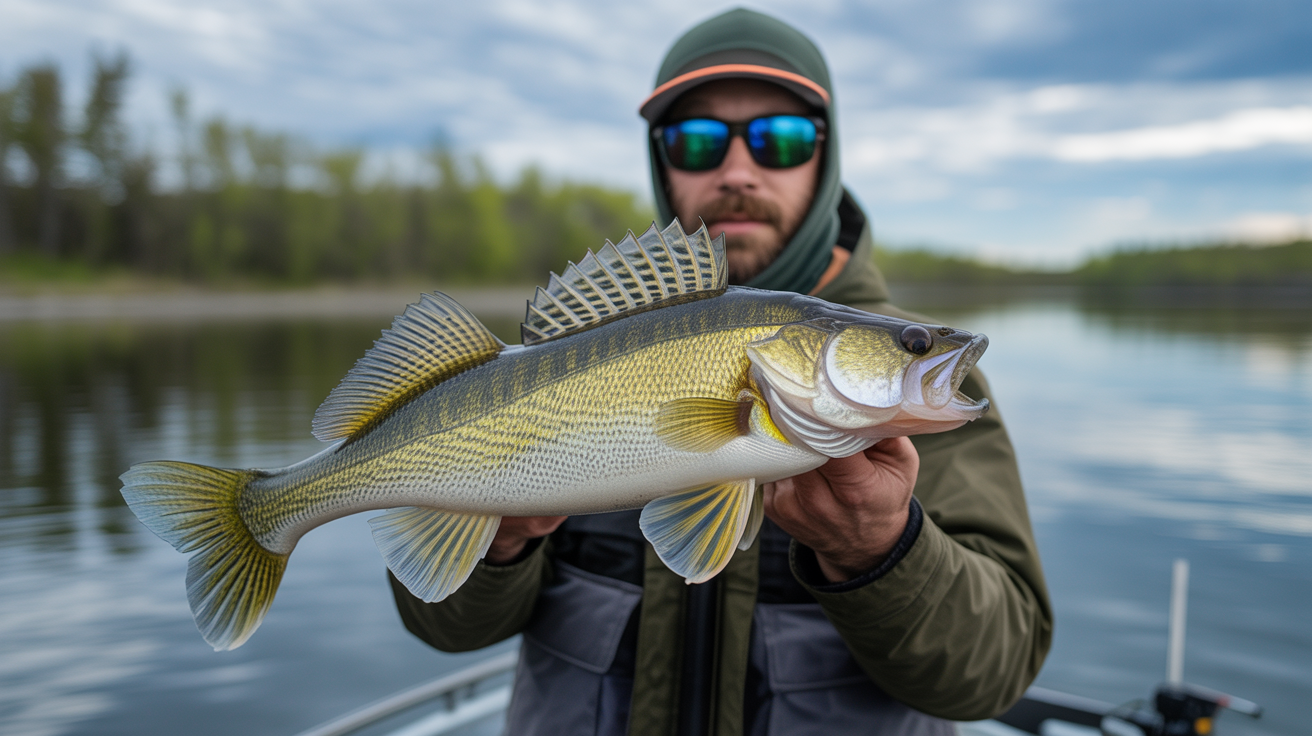
Walleye are one of the most sought-after freshwater fish in North America, and learning how to catch walleye comes down to two things: knowing when they feed and putting the right presentation in the right spot. Once you understand those two pieces, the rest falls into place quickly.
Why Timing Matters More Than Anything Else
Walleye have large, glassy eyes built for low-light conditions. That eye structure gives them a serious advantage over prey at dawn, dusk, and after dark. During bright midday sun, they pull into deeper water or tight cover and stop feeding actively. During low-light windows, they push shallow and become much easier to catch.
For most lakes, the productive windows are:
- Dawn: The hour before sunrise through about an hour after
- Dusk: Starting 30 to 45 minutes before sunset through the first couple hours of darkness
- Overcast days: Cloud cover reduces light penetration and can keep walleye active throughout the day
- Wind-churned shallows: Wave chop breaks up light and stirs up baitfish, pulling walleye into areas where they would otherwise not be during daylight
If you fish during bright midday and struggle to find walleye, the fish are not gone. They are sitting in deeper water or against heavy structure, waiting for the light to change. Adjust your schedule around their feeding windows and your catch rate will improve noticeably.
Where to Find Walleye
Walleye are structure-oriented fish. They hold along predictable features rather than roaming open water randomly.
Rocky points and gravel bars are top producers, especially in spring and fall. Walleye spawn on gravel and rock in early spring, so those areas hold fish before and after the spawn. During summer, rocky points that drop into deeper water give walleye a quick route between feeding shallows and deeper refuge.
Weed edges become important through summer. Walleye cruise the outside edge of submergent weed beds at dusk, ambushing perch and other small fish. Fish the transition where weeds thin out and give way to open bottom.
Deeper basin flats hold suspended fish during summer. On many lakes, walleye stack on flats in 18 to 30 feet of water during the day. Locating these fish usually requires a depth finder, but once you mark them, vertical jigging or slow trolling keeps you in contact.
Current breaks on rivers are consistent walleye spots. Wing dams, eddies below points, and the tail end of islands all create slack water where walleye wait for current to deliver food. River walleye often bite better during daylight than lake fish because current stirs up sediment and reduces light penetration year-round.
Gear Setup for Walleye Fishing for Beginners
You do not need specialized equipment to start. A light to medium power spinning rod in the 6 to 7 foot range handles most walleye presentations well. Pair it with a 2500 to 3000 size spinning reel loaded with 8 to 10 pound fluorocarbon or 10 to 14 pound braid with a fluorocarbon leader.
Fluorocarbon is worth using as a main line or leader because it is nearly invisible underwater and has low stretch for better feel on the bottom. Walleye have sharp eyesight and in clear water a visible line will cost you bites.
Hooks: Use #4 or #6 single hooks for live-bait rigs. Jig heads typically run from 1/8 ounce in shallow water up to 3/4 ounce in deep water or strong current. Match the weight to how fast you want the bait to fall and how much line you need to keep contact with bottom.
A medium-power rod with a sensitive tip is worth the investment once you start jigging, because walleye bites are often subtle. The fish pick up the jig and hold it without moving. You feel a slight heaviness or the line simply goes slack, which tells you to set the hook.
Best Bait for Walleye: Three Presentations That Work
Jigging
Jigging is the most versatile walleye technique and a good starting point. Attach a jig head to your line and tip it with a plastic paddle-tail minnow, a soft-plastic twister tail, or a live minnow.
The basic jigging retrieve: cast to structure or drop straight down over a marked fish, let the jig sink to bottom, lift the rod tip about 12 inches, let the jig fall back on a semi-slack line, and repeat. Most strikes happen on the fall. Keep the jig close to bottom and vary the speed until the fish tell you what they want.
Color matters somewhat. Chartreuse, white, and orange are standard starting points in stained water. In cleaner water, natural colors like brown, olive, and clear smoke often work better. Carry a few options and change if you are not getting bites.
Live-Bait Rigs (Lindy Rig and Slip-Sinker Rig)
A live-bait rig is the go-to for covering bottom slowly and presenting a natural meal. The classic Lindy rig uses a walking sinker that slides freely on the main line, a barrel swivel to stop it, and an 18 to 36 inch fluorocarbon leader to a single hook. Thread on a live nightcrawler, a live minnow, or a leech and drag the rig slowly along bottom.
The free-sliding sinker is the key feature. When a walleye picks up the bait, it does not feel the weight of the sinker because the line runs through it freely. The fish can hold the bait for several seconds while you reel down to it before setting the hook with a firm sideways sweep.
Dragging a live-bait rig behind a slow-moving boat at 0.4 to 0.8 miles per hour covers ground effectively and lets you search for fish along a weed edge or rocky drop. This is one of the most reliable methods for walleye fishing for beginners because the live bait does most of the work.
Trolling Crankbaits
Trolling lets you cover a lot of water and is especially effective for finding scattered fish on large lakes. Shallow-diving and deep-diving crankbaits in perch, shad, and firetiger patterns are consistent walleye producers.
The trolling depth depends on the diving lip size and how much line you have out. Check the crankbait manufacturer's documentation for depth charts by line length. A bottom-bouncer weight ahead of the crankbait lets you pull deeper-running lures while keeping contact with bottom structure.
Troll at 1.5 to 2.5 miles per hour and cover transitional edges: the break from a shallow flat to deeper water, the edge of a reef, or the outside of a weed bed. When you get a strike, mark the spot, circle back, and make another pass at the same depth and speed.
For more on fishing different species with similar bottom-structure logic, the guides on largemouth bass fishing and trout in lakes and streams cover reading structure in detail.
A Practical Comparison: Walleye Techniques by Situation
| Situation | Best Technique | Notes |
|---|---|---|
| Rocky points at dusk | Jigging with live minnow | Work the slope, stay near bottom |
| Weed edge at night | Live-bait rig with leech | Slow drag, long leader |
| Open basin, 20+ feet | Vertical jigging or trolling | Use sonar to mark fish first |
| River current break | Jig with plastic | Bounce bottom, short casts |
| Scattered fish, large lake | Trolling crankbaits | Cover water, vary depth until hit |
A Note on Regulations and Safety
Walleye regulations vary significantly by state, province, and individual water body. Size limits, daily bag limits, and season dates are not uniform. Some waters protect slot sizes where certain fish must be released. Always check current rules with your state or provincial fish and wildlife agency before you fish.
Handle walleye with care around the dorsal spines, which are sharp. A wet hand grip or a rubber-coated landing net reduces slime coat damage if you plan to release the fish. Smallmouth bass anglers will recognize the same approach discussed in the guide on smallmouth bass fishing.
Frequently Asked Questions
What is the best time of day to catch walleye? Dawn and dusk are the most reliable windows. Walleye eyes are adapted for low light, so they feed actively when light levels drop. On cloudy days, they can stay active longer through the day. Nighttime fishing during summer produces well on many lakes where walleye move shallow after dark.
What is the best bait for walleye? Live nightcrawlers, leeches, and minnows are the top natural baits. Leeches work particularly well in summer. Nightcrawlers on a live-bait rig are effective spring through fall. Among artificial options, 1/8 to 3/8 ounce jig heads tipped with plastic minnow bodies or grub tails are versatile enough to cover most situations.
How deep do walleye usually hold? It depends on the season and the lake. In spring, walleye are often in 5 to 15 feet near spawning gravel. In summer, they typically move deeper during the day, settling in 18 to 35 feet, and move shallow at low light. In fall, they feed aggressively in shallower water again as temperatures drop.
Do I need a boat to catch walleye? No. Shore fishing is productive where walleye come shallow at dawn and dusk. Rocky shorelines, points, and riprap shorelines are worth targeting. River walleye are especially accessible from shore near current breaks. A boat expands where you can reach but is not required to catch fish.
Why am I missing walleye bites? Two common reasons: setting the hook too fast or using a rod tip that is too stiff. Walleye often hold a jig or bait briefly before committing. With a live-bait rig, give the fish a few seconds to take the bait before sweeping the hook home. With a jig, the hookset should come the moment you feel weight or see the line go slack, but a sweeping rod motion hooks the fish more reliably than a sharp snap set.