Species Guides
How to Catch Trout in Lakes and Streams
Learn how to catch trout with proven tactics for streams and lakes—covering bait, lures, reading water, and gear for beginners.
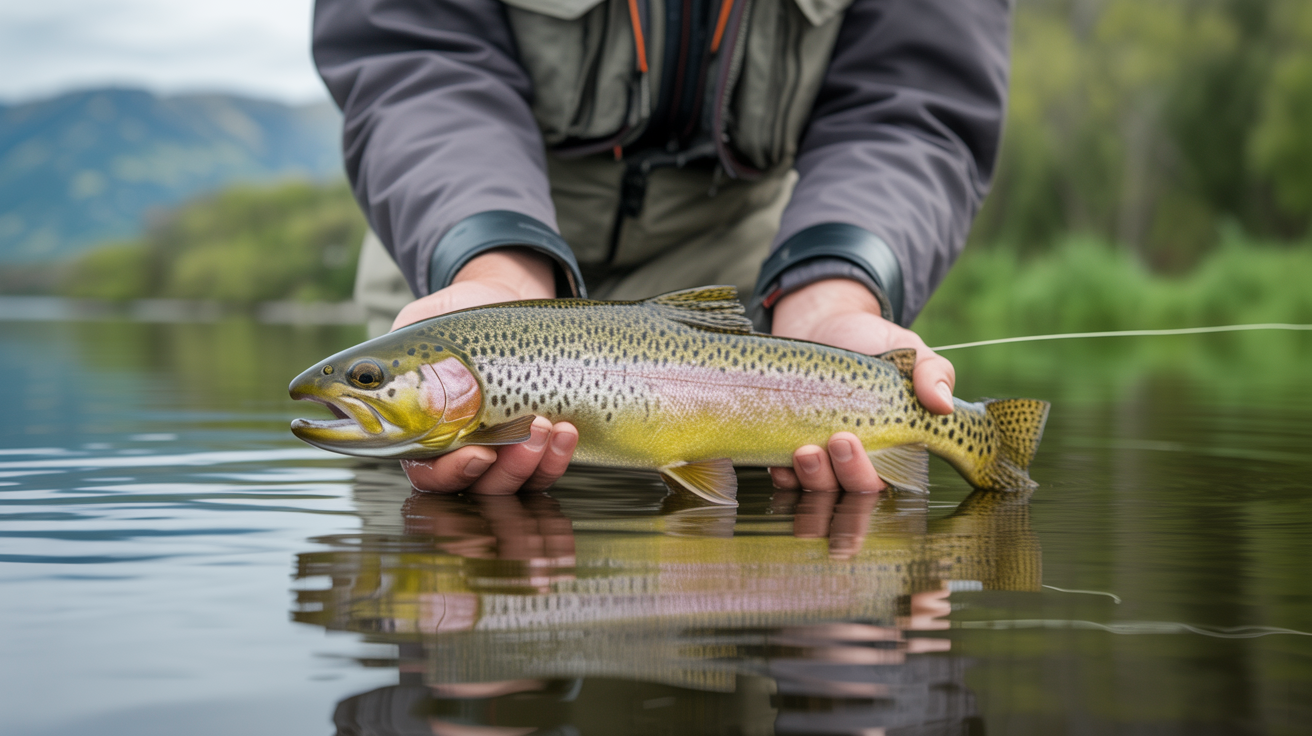
Trout are one of the most rewarding fish to target as a beginner. They live in clean, cold water, respond to a wide range of baits and lures, and fight well for their size. The catch is that they're also spooky and sensitive to presentation, a heavy footfall on the bank or the wrong line weight can shut them down fast.
This guide covers the fundamentals for both moving water (streams and rivers) and still water (lakes and ponds), including where trout hold, what they eat, and how to rig up and present your offering properly.
Always confirm current seasons, size limits, and creel limits with your state or provincial fish and wildlife agency before you go. Regulations vary widely, and stocked-water rules often differ from wild-water rules on the same river system.
At a Glance
- Trout are cold-water fish, most stop feeding once water climbs above 68°F, so target early morning, evening, or shaded, spring-fed water in summer.
- Stocked trout often hit PowerBait and corn aggressively at first; within weeks, survivors get picky and start behaving like wild fish.
- In streams, trout hold where current breaks: behind boulders, along seams, at the head and tail of pools. Cast upstream of the target and drift naturally into it.
- In lakes, trout push shallow at dawn and dusk to feed, then drop to the thermocline (often 15 to 30 feet in summer) as light increases.
- A light spinning setup (5'6" to 7' rod, 4 to 6 lb line) covers nearly every situation you'll run into as a beginner.
- Quiet movement matters as much as gear choice, trout feel vibration through the bank and a spooked fish won't bite regardless of what's on your hook.
Understanding Trout Behavior
Trout are cold-water fish. Rainbow and brown trout are comfortable between roughly 50°F and 65°F (10 to 18°C); brook trout prefer the lower end of that range. When water temps climb above 68°F, trout become stressed and largely stop feeding. That threshold isn't arbitrary, the EPA's water quality guidance notes that when maximum summer temperatures rise or shift too fast, coldwater species like trout and the stoneflies they feed on can disappear from streams where they'd otherwise be expected, a sign of real thermal stress rather than just reduced activity, per the EPA's overview of temperature effects on aquatic life. On warm-summer days, that means early morning or evening fishing in streams, and targeting the thermocline or near inflows in lakes.
Trout are also visual predators. They hold in spots that give them energy-efficient access to drifting food: current seams, the heads and tails of pools, and eddies behind boulders. In a lake, they cruise the shallows at dawn, then drop to cooler depths as the day heats up.
Stocked vs. Wild Trout
Most publicly accessible trout fishing happens in stocked water. Stocked fish are raised on pellets, which is why they often take PowerBait (a scented, dough-style bait) and corn aggressively at first. Within a few weeks after stocking, surviving fish start behaving more like wild ones and become pickier.
Wild trout, fish that were born and grew up in the stream, are warier. They've been conditioned by natural food sources: aquatic insects, small minnows, crayfish, and worms tumbling down in runoff. Brook trout in particular lean on this pattern, young fish shelter in submerged vegetation or shallow water near the shoreline while adults feed mainly on drifting insects, according to the U.S. Fish and Wildlife Service's brook trout species profile. Match your tactics to what's likely in the water you're fishing.
Gear for Trout Fishing
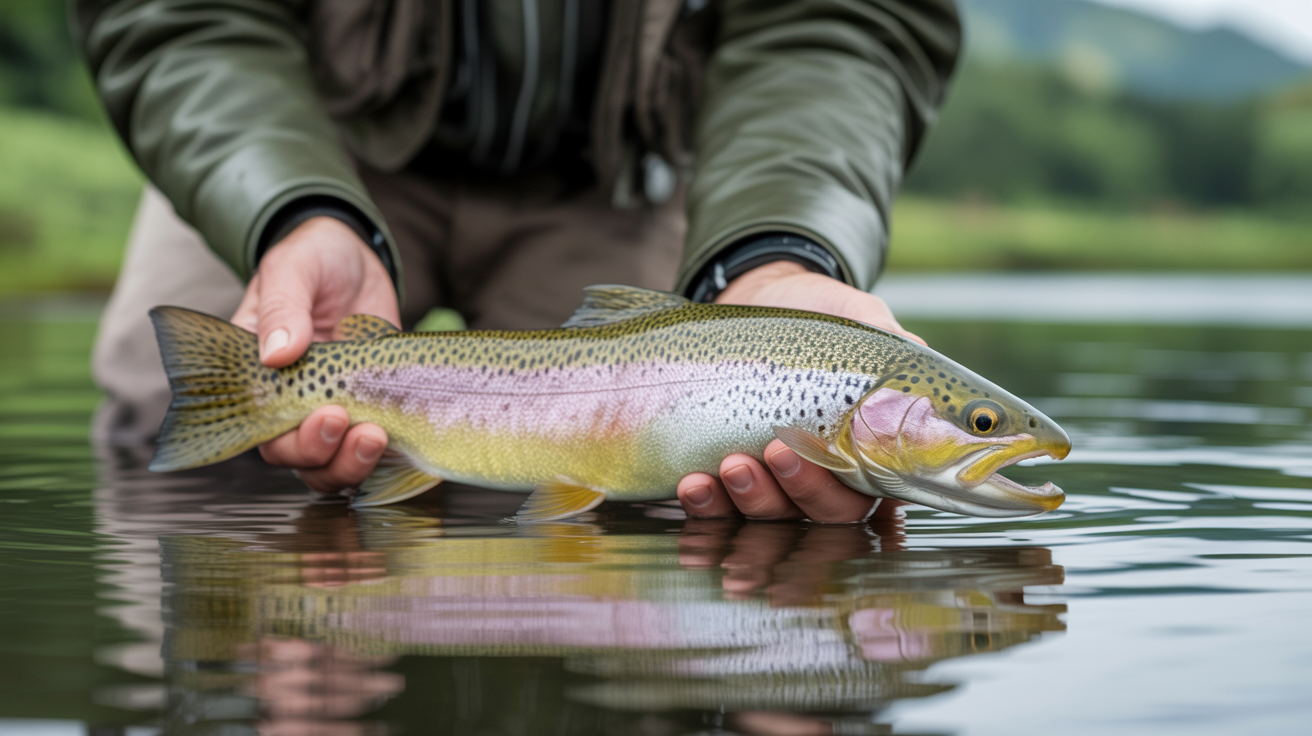
A light spinning setup is the standard starting point. A 5'6" to 7' rod rated for 2 to 6 lb line covers most trout situations. Pair it with a small spinning reel (size 1000 to 2500) spooled with 4 lb monofilament or fluorocarbon. Mono is fine for general use; fluorocarbon is less visible underwater and worth the small price premium in clear water.
Hook sizes for bait fishing: size 8 to 14 works for most trout bait presentations. Smaller hooks (12 to 14) are better for smaller streams and clear water where trout can see the hardware. For lures like spinners and spoons, go with sizes that match the fish, a #0 or #1 inline spinner suits small streams; a #2 or #3 works in bigger rivers and lakes.
Keep your setup simple. A small split-shot sinker pinched 12 to 18 inches above the hook is often all you need to get bait to the bottom in a stream. In lakes, a sliding egg sinker rig or a simple bobber setup works well depending on depth.
A basic pitfall worth naming: fishing line that's too heavy for the water clarity. Trout in clear streams and pressured lakes will refuse a bait on 8 lb mono that they'd eat readily on 4 lb fluorocarbon, the visual difference matters more with trout than with most warm-water species.
Stream Fishing for Trout
Streams are where most beginners start, and moving water teaches you a lot about trout behavior fast.
Reading the Current
Trout burn calories fighting current, so they hold where the water breaks around an obstacle, behind boulders, along undercut banks, at the edge of fast and slow water (called a seam), or in the calm pocket just inside a bend. Riffles (shallow, choppy water over gravel) are prime feeding zones because insects and small creatures concentrate there. The deep, slower water at the tail of a pool is where trout rest between feeding bursts.
Your cast should land upstream of the holding spot so your bait or lure drifts naturally into the strike zone. Trout facing upstream see what comes to them; anything that moves against the current looks wrong.
Drifting Bait in a Stream
A natural drift is the foundation of stream trout fishing. Thread a nightcrawler or part of an earthworm onto a size 10 or 12 hook (leave a bit dangling to wriggle), add a small split-shot 12 inches above the hook, and cast upstream at a 45-degree angle. Lift your rod tip as the rig swings toward you to keep slack out of the line without dragging the bait. Let it tumble along the bottom through the current seam.
Salmon eggs are another productive option, particularly in early spring or after a rain when trout are actively feeding. Two or three eggs on a size 14 egg hook work well.
PowerBait (or similar scented dough baits) performs best on recently stocked fish. Mold a pea-sized ball around a size 10 hook, use a small sliding sinker to get it to the bottom, and let it sit. Note that some waters prohibit scented synthetic baits, check local regulations before using them.
Spinners and Spoons in Current
Inline spinners are among the most reliable trout lures. Cast across or slightly upstream, let the current begin to move the spinner, then retrieve just fast enough to keep the blade turning. The vibration and flash triggers strikes from both stocked and wild fish. A slower retrieve in cold water (below 55°F) often outfishes a fast one.
Small spoons work similarly. Let a spoon flutter down through a pool before you retrieve, that falling action mimics an injured baitfish and can draw strikes from fish holding deep.
Lake Fishing for Trout
Still-water trout fishing requires a different approach because there's no current to deliver food to holding fish. Trout in lakes are constantly moving, and your job is to intercept them.
Where Trout Hold in Lakes
Early morning and late evening: target the shallows near inflows, points, and rocky shorelines. Trout often push into 2 to 8 feet of water to feed on insects hatching near the surface or small baitfish pushed into the margins.
Midday in summer: trout drop to wherever the water temperature suits them. In stratified lakes, that's typically 15 to 30 feet down, near the thermocline (the layer where warmer surface water meets the colder deep water). Finding the thermocline in a new lake takes a bit of trial and error, start at 15 feet and work deeper until you find fish.
Inflows and stream mouths are productive year-round because they deliver cooler, oxygenated water and carry food into the lake.
Rigging for Lake Trout
A standard bottom rig for lakes: a sliding 1/4 oz egg sinker, a small barrel swivel to stop it, then 18 to 24 inches of 4 lb fluorocarbon leader to a size 10 or 12 hook. Bait with a whole nightcrawler and cast to likely structure. This rig sits on the bottom with the worm floating slightly off it, a natural position trout recognize.
For fishing near the surface or over deep water, a slip-bobber lets you set a precise depth. Set the stop knot so your bait hangs 2 to 3 feet off bottom, or experiment with depth until you find where fish are holding.
Trolling with a small spoon or spinner 20 to 40 feet behind a slow-moving boat or kayak is effective in larger lakes, especially for covering water until you locate active fish.
Trout Species at a Glance
The three trout most beginners encounter behave differently enough that it's worth knowing which one you're likely fishing for.
| Species | Preferred Temp | Typical Habitat | Behavior Note |
|---|---|---|---|
| Rainbow trout | 50–65°F | Streams, rivers, stocked lakes | Most tolerant of the three, aggressive strikes, common stocked species |
| Brown trout | 50–65°F | Larger streams, undercut banks, deep pools | Wariest of the three, feeds heavily at dawn, dusk, and after dark |
| Brook trout | 45–60°F | Small spring-fed streams, cold headwaters | Prefers the coldest, cleanest water; shelters young fish in vegetation |
Quick-Reference: Water Type vs. Method
| Water Type | Best Bait/Lure | Presentation | Notes |
|---|---|---|---|
| Small stream (clear) | Earthworm, salmon eggs | Natural drift upstream | 4–6 lb fluoro, size 12–14 hook |
| Medium river (stocked) | PowerBait, nightcrawler | Bottom rig with split-shot | Check regs on synthetic bait |
| Medium river (wild) | Worm, inline spinner | Drift or cross-current retrieve | Smaller hooks, lighter line |
| Lake shallows (dawn) | Inline spinner, worm | Fan-cast from shore | Work points and inflows first |
| Lake open water (midday) | Spoon, worm on slip-bobber | Troll or anchor near thermocline | Target 15–30 ft depth in summer |
| Lake inflow | Salmon eggs, nightcrawler | Drift into the current seam | Productive year-round |
Trout Fishing Tips That Actually Help
A few things that separate consistent trout anglers from occasional luck:
Move quietly. Trout feel vibrations through the ground. Walk softly near the water, keep your shadow off the pool, and approach from downstream when wading. A fish that's seen you won't bite.
Fish early or late. The hour after sunrise and the two hours before sunset are productive in all seasons. On overcast days, trout feed throughout the day.
Downsize in clear water. If you can see the bottom, switch to 4 lb or lighter fluorocarbon. The difference between 6 lb mono and 4 lb fluoro in a clear mountain stream can be dramatic.
Match the hatch where possible. If you see small insects on the water, dark-colored soft plastics or a small, dark fly fished near the surface will often outperform a spinner.
Keep live bait fresh. A dead worm that isn't moving draws far fewer strikes than a lively one. Keep bait cool and change it when it stops wriggling.
Watch for the temperature window closing. Once a stream or shallow lake edge pushes past 68°F, expect a sharp drop in strikes even if fish are still visible. Rather than fishing through it, move to deeper, cooler water or wait for a cooler part of the day, pushing bait on stressed fish rarely produces and isn't good for the fish you do land and release.
If you're also interested in targeting other species in similar freshwater habitats, the tactics in our largemouth bass beginners guide overlap more than you'd think, and crappie fishing is an excellent parallel pursuit on the same lakes where trout are stocked in cooler months. For anglers drawn to river fishing specifically, smallmouth bass share much of the same stream habitat as brown trout and respond to similar presentations.
FAQ
What is the best bait for trout fishing as a beginner?
Earthworms are the most versatile starting point, they work on stocked and wild fish in both streams and lakes. For recently stocked fish, scented dough baits like PowerBait are highly effective (where legal). Salmon eggs are productive in spring. Once you're comfortable with bait, inline spinners add an active element that can be fished in a wider range of water.
What pound test line should I use for trout?
For most trout fishing, 4 to 6 lb monofilament or fluorocarbon is the standard range. In clear streams with wild fish, drop to 4 lb fluorocarbon. In stocked ponds or murky water, 6 lb mono is fine and more durable. Avoid anything above 8 lb for trout, heavy line reduces sensitivity and spooks fish in clear conditions.
What time of day is best for trout fishing?
Early morning is generally the most productive window across all seasons. The two hours before dark are a close second, especially in summer when daytime temperatures push trout deep. In spring and fall, cooler ambient temperatures mean trout feed more consistently throughout the day.
Do I need a fishing license to catch trout?
Yes, almost universally. Most U.S. states and Canadian provinces require a valid freshwater fishing license, and trout fishing sometimes requires an additional trout stamp or permit on top of the base license. Stocked waters may have special rules around catch limits and bait restrictions. Always confirm current licensing requirements and regulations with your local fish and wildlife agency before fishing.
How do I know if a stream is stocked or wild?
Your state or provincial fish and wildlife agency publishes stocking schedules that list which waters receive hatchery fish and when. Wild fisheries are typically designated as such in regulation booklets and often have special rules, catch-and-release only, artificial lures only, or flies-only sections. When in doubt, check the regulations before you fish.
Why did my local stream go dead in the middle of summer?
Almost always temperature. Once water crosses roughly 68°F, trout become stressed and stop feeding actively even if they're still present, and prolonged periods above that threshold can push fish out of a reach entirely if they can find cooler water elsewhere. Fish early morning before the water has heated for the day, or look for a spring-fed tributary or shaded, deeper stretch nearby, those areas often stay fishable through the same hot stretch that shuts down the open water.
Is it better to fish upstream or downstream in a moving-water trout stream?
Cast upstream and let your bait or lure drift down naturally in almost every situation. Trout hold facing into the current so they can see food coming toward them, which means anything drifting downstream toward a holding fish looks like a natural meal, while anything moving upstream against the current looks wrong and gets refused far more often. The one exception is retrieving spinners, where a slight downstream angle can still work if you keep the retrieve slow enough to match the current speed.