Knots & Rigs
The Palomar Knot: The Strongest Easy Fishing Knot
Learn how to tie the Palomar knot step by step. It's the strongest easy fishing knot for hooks, swivels, and braided line — and takes under a minute to tie.
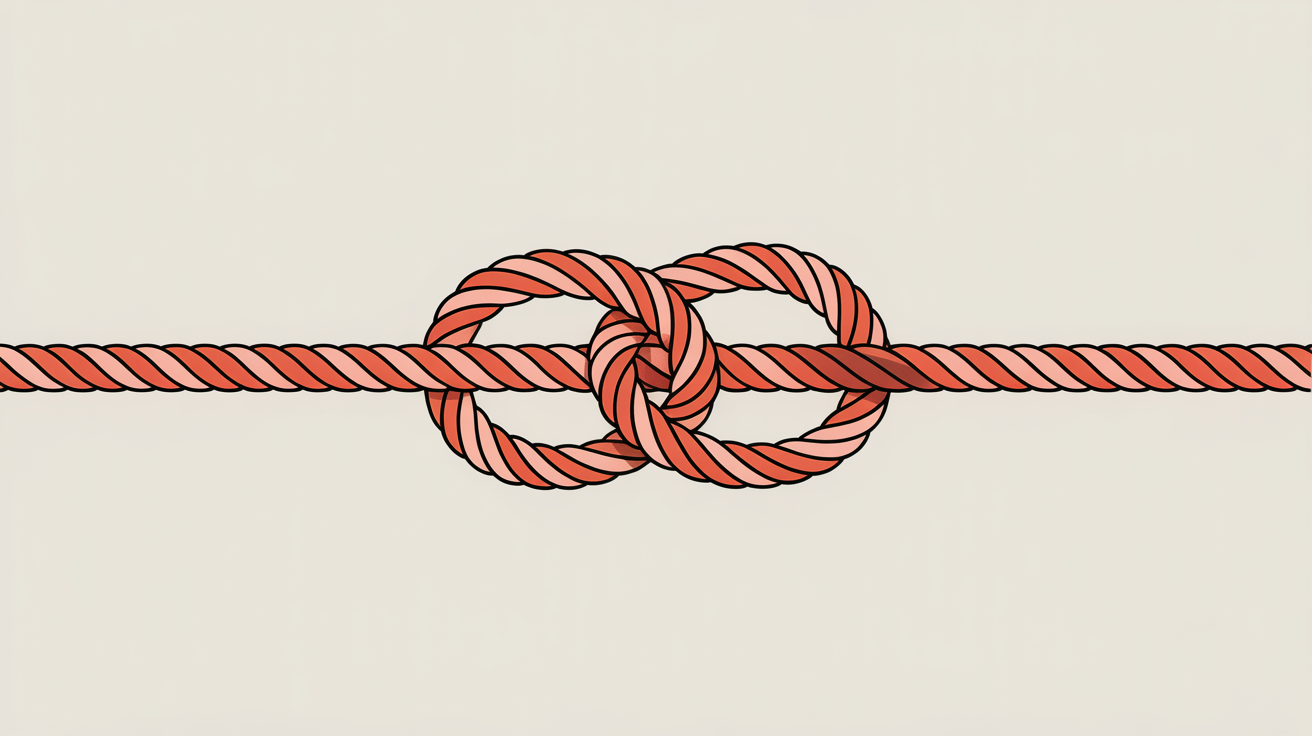
Most beginners learn the improved clinch knot first, and it's a solid choice. But if you want one knot that holds up on braided line, handles heavier hooks, and doesn't require threading the tag end through a small loop three times, the Palomar knot is worth learning next.
It's not just beginner-friendly, experienced anglers use it as their go-to connection for hooks, swivels, and snap swivels in most freshwater situations. The reason is straightforward: the Palomar knot cinches onto the eye with a doubled line, which distributes the load across two strands instead of one. That's the secret to its strength.
At a Glance
- The Palomar ties with a doubled line through the eye, which is what gives it its strength advantage over single-strand knots.
- It's the standard knot for braided line because it grips slick, low-stretch braid far better than friction-dependent knots like the clinch.
- Independent tackle testing puts it at roughly 90 to 100 percent of rated line strength, among the highest of any common terminal knot.
- Always wet the knot before cinching, dry friction generates heat that weakens mono and fluorocarbon at a microscopic level.
- The one real limitation: large trebles and bulky lures may not fit through the loop in Step 4.
- It's a terminal knot only, hook, swivel, or lure, not a line-to-line connection.
How to Tie the Palomar Knot
You'll need about 6 to 8 inches of line above the hook to work with comfortably. Follow these steps in order.
Step 1: Double the Line
Fold the line back on itself to create a loop roughly 3 to 4 inches long. You're not working with a single strand, you're passing a doubled line through the hook eye. This is what makes the Palomar different from most other knots.
Step 2: Pass the Loop Through the Eye
Thread the doubled loop through the hook eye from front to back. Pull it through until you have 3 to 4 inches of loop hanging past the eye, with the two tag strands and the main line coming back out the other side.
Step 3: Tie an Overhand Knot
Hold the hook out of the way and use the doubled loop and the two strands coming back from the eye to tie a simple overhand knot. The hook hangs loose inside the loop at this point. Don't tighten this overhand knot down fully yet, leave it loose enough to work with.
Step 4: Pass the Hook Through the Loop
Open the loop wide and pass the hook completely through it. The entire hook, point, bend, and all, needs to go through. If you're tying onto a swivel or snap, pass the whole terminal end through.
Step 5: Wet the Knot and Cinch
Before pulling the knot tight, wet it with saliva or water. Friction from dry cinching generates heat that weakens monofilament and fluorocarbon at a microscopic level. Once the knot is wet, pull the main line and the tag end simultaneously while guiding the knot toward the eye. The overhand loop should slide snugly against the eye as both strands tighten evenly.
Step 6: Trim the Tag End
Leave about an eighth of an inch of tag end. Cutting too close risks the knot slipping under load; leaving too much creates a flap that can catch weeds. A small, clean trim is all it takes.
Why the Palomar Is So Strong
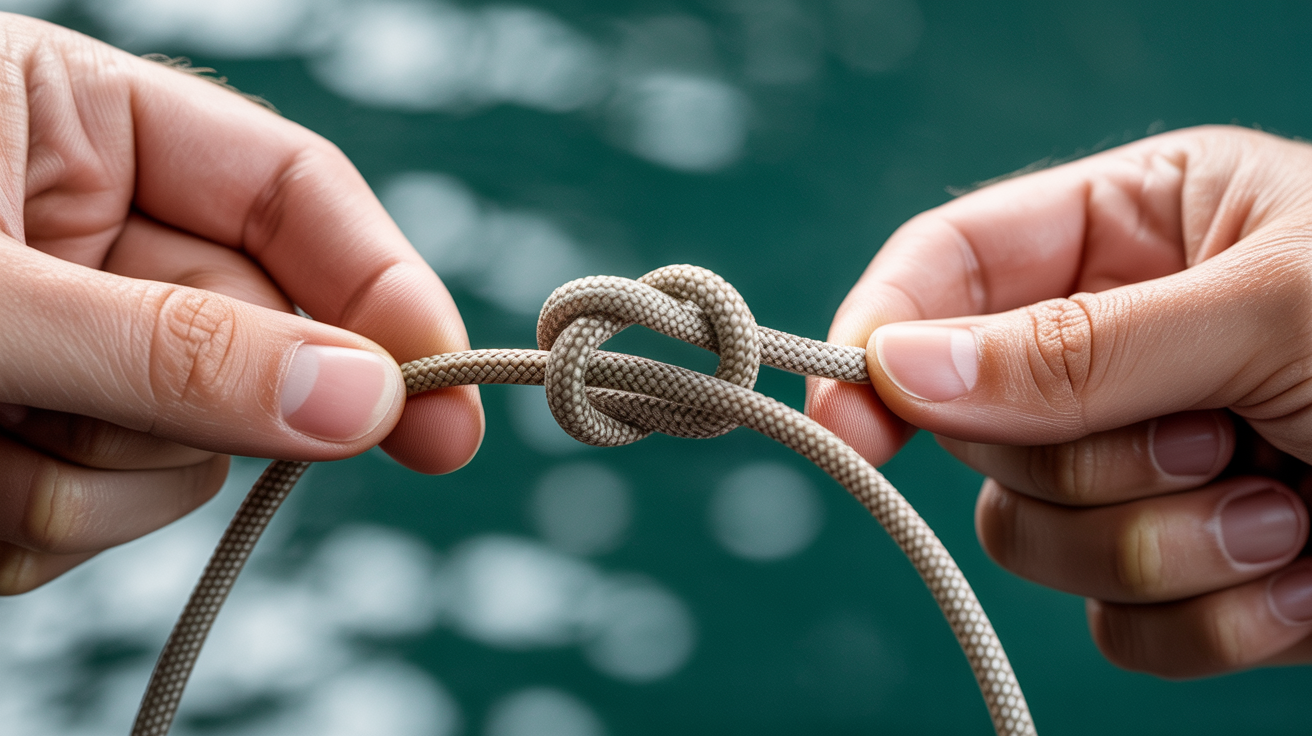
The doubled-line design is the main reason. When a fish pulls, both strands of the knot share the load rather than putting all the stress on one pass of line through the eye. The overhand knot that forms the base of the Palomar is also symmetrical, it cinches evenly in two directions, which reduces the weak spots that show up in asymmetrical knots.
Published line tests from tackle manufacturers (and plenty of hands-on testing by anglers) consistently show the Palomar retaining 90 to 100 percent of rated line strength when tied correctly. Take Me Fishing's own step-by-step guide lands right in that range, citing a Palomar knot strength of roughly 95 percent, which it calls "outstanding" among freshwater terminal knots. Most other common knots sit closer to 75 to 90 percent. The difference matters most when you're fighting a heavy fish or horsing a bass out of thick cover.
How the Palomar Stacks Up: A Worked Comparison
Numbers vary between testing labs and line types, but the relative ranking holds up consistently across independent tackle tests:
| Knot | Typical Strength Retained | Best Line Type | Tying Difficulty |
|---|---|---|---|
| Palomar | 90–100% | Braid, mono, fluorocarbon | Easy |
| Improved clinch | 75–90% | Mono, fluorocarbon | Easy |
| Uni knot | 85–95% | Mono, braid | Moderate |
| Snell knot | 90–95% | Mono, fluorocarbon (bait rigs) | Moderate |
| Trilene knot | 85–90% | Mono, fluorocarbon | Easy |
If you fish 10 lb monofilament, a knot that retains 95 percent holds to roughly 9.5 lb before failing, while one that retains 80 percent fails around 8 lb, a difference that shows up exactly when you're least prepared for it, on the hookset of the biggest fish of the day.
When the Palomar Works Best
Braided Line
The Palomar is the standard knot for braid. Braided line is slick and has almost no stretch, which means certain knots that rely on friction to hold, like a basic clinch knot, can slip under sudden load. The Palomar's doubled loop grips braid far more securely. As Take Me Fishing's guide to the strongest knot for braided line puts it, the doubled line through the eye is exactly why the Palomar is generally considered the best terminal knot for braid, since braid can pull free of knots that depend on friction rather than a mechanical wrap. If you're using braid as a main line and attaching it directly to a hook or snap swivel, the Palomar is the right call.
It works equally well with monofilament and fluorocarbon, but the advantage over other knots is most pronounced with braid.
Hooks and Swivels
Any terminal connection benefits from the Palomar's design. Hook a soft plastic to a worm hook, attach a barrel swivel before a fluorocarbon leader, clip on a snap swivel for fast lure changes, all of these are good Palomar applications.
The one limitation: the hook or terminal has to fit through the loop in Step 4. A large treble hook on a long lure can be awkward to pass through, and a big crankbait may not fit at all. For those situations, a different knot is more practical.
Palomar vs. Improved Clinch: Which Should You Use?
Both knots are reliable. The difference comes down to line type and the size of what you're attaching.
| Situation | Palomar | Improved Clinch |
|---|---|---|
| Braided main line | Better choice | Can slip under load |
| Monofilament or fluorocarbon | Works well | Works well |
| Small hooks (size 4 and smaller) | Easy to tie | Easy to tie |
| Large treble hooks | Awkward loop step | Easier |
| Swivels and snaps | Excellent | Good |
| Speed under low light | Simple steps | Takes more practice |
If you're fishing mono or fluorocarbon and using smaller hooks, either knot is fine. Swap to the Palomar whenever you're using braid, or when the connection needs to hold under hard pressure. See our full guide to How to Tie an Improved Clinch Knot for a side-by-side on the tying steps.
Common Mistakes to Avoid
Not doubling the line before threading. Some beginners pass only a single strand through the eye. The resulting knot looks similar but doesn't have the load-sharing doubled structure. Always fold the line back on itself first.
Skipping the overhand knot step. A few wraps around the standing line isn't the same thing. The Palomar requires one clean overhand knot formed from the doubled loop and the strands, no substitutions.
Pulling tight without wetting. The knot needs lubrication before cinching, particularly with fluorocarbon, which is more sensitive to heat than mono. A dry cinch leaves micro-abrasions in the line that reduce strength below what a properly tied knot delivers.
Leaving too short a tag end. A millimeter or two of tag end is not enough. If the tag end disappears flush against the eye, the knot can slip. Trim to about an eighth of an inch and you're in good shape.
Tying onto lures where the loop won't clear. As mentioned above, the step where you pass the hook through the loop is where the Palomar can fail as a knot choice. If the lure doesn't fit through the loop comfortably, use a clinch knot or a loop knot instead.
Cinching crooked. If one strand of the doubled loop tightens before the other, the load ends up on a single strand anyway, erasing the whole advantage of the knot. Pull slowly and evenly on both the main line and tag end together, and watch the loop settle flush against the eye before you pull hard.
Practicing the Palomar Off the Water
The Palomar is easy to learn wrong if the only time you tie it is on a cold dock with a fish waiting to be released. Spend ten minutes at a table with a piece of old line and a hook you don't mind sacrificing, and tie it twenty times in a row. Muscle memory matters more with this knot than most, because the doubled-line step and the "pass the whole hook through the loop" step both feel unfamiliar the first few times, even to anglers who already know several other knots.
A useful test once you've tied a few: pull the finished knot hard by hand before you trust it on the water. A correctly tied Palomar won't slip once it's cinched, if you feel any give under firm hand pressure, retie it rather than assume it'll hold under a fish. Anglers who fish braid heavily often keep a small pre-cut length of practice line in their tackle bag specifically to warm up before the first cast of the day, the knot goes from a 30-second fumble to a 10-second habit within a few practice sessions.
Expanding Your Knot Knowledge
The Palomar is one of the most versatile knots you can learn, but a well-rounded angler carries a few more in their toolkit. Knowing how to tie a loop knot (for lure action) and a line-to-line knot (for attaching a fluorocarbon leader to braid) will cover most situations you'll encounter in freshwater fishing. Our guide to 5 Fishing Knots Every Beginner Should Know walks through the essential set in one place.
Once you're confident in your terminal connections, rigging soft plastics effectively is the next skill that pays off. The Texas rig is the most widely used soft-plastic setup in freshwater, see How to Tie a Texas Rig (and When to Use It) for a full breakdown.
FAQ
Can I use the Palomar knot with fluorocarbon leader?
Yes, and it holds well. Fluorocarbon is stiffer than mono, so the doubled loop can be slightly less flexible, but the knot forms cleanly and holds at high percentages of line strength. Wetting the knot before cinching is especially important with fluorocarbon, it's the line type most sensitive to heat from a dry cinch.
What line weight is the Palomar knot good for?
The Palomar works across a wide range of line weights, from 4-pound test for panfish to 65-pound braid for punching thick vegetation. The main constraint is that heavier line produces a thicker doubled loop, which needs a larger hook eye or swivel ring to thread through easily. For most freshwater applications, 6 to 20-pound line, the Palomar ties without any difficulty.
Does the Palomar knot work for connecting two lines?
No. The Palomar is a terminal knot, it connects line to a hook, swivel, or lure. It is not designed for line-to-line connections like attaching a mono backing to a braid main line or tying on a fluorocarbon leader. For those connections, look at the double uni knot or the FG knot.
How do I know if I tied it correctly?
A correctly tied Palomar should have the hook or swivel hanging below a symmetrical loop against the eye. Both strands of the doubled line should emerge cleanly from the knot, and there should be no crossing or twisting above the eye. Pull on the main line firmly before you fish, if the knot slips more than a fraction before locking, retie it. A good Palomar seats immediately and feels solid.
Is the Palomar knot strong enough for big bass?
For freshwater bass fishing, including punching heavy cover and wrestling fish out of vegetation, the Palomar is one of the best choices available. It maintains close to 100 percent of rated line strength when tied correctly, which is higher than most knots. For truly heavy applications (thick braid, big flipping hooks), double-check that your line rating matches the fishing you're doing and that the knot seats cleanly. The knot rarely fails; line failures usually trace back to abrasion or nicks, not the knot itself.
Can I use a double Palomar for extra security?
Yes. A double Palomar simply passes the doubled loop through the eye a second time before tying the overhand knot, roughly doubling the bulk of line at the eye. It's marginally stronger and is popular for heavy braid and big-bait applications like flathead catfish rigs, but for most panfish, bass, and walleye fishing, the standard single Palomar already holds at 90 percent or better and is faster to tie.
Tackle Theory is an independent freshwater-fishing resource. Our guides are researched and written in-house; we are not affiliated with, endorsed by, or sponsored by any tackle brand or retailer mentioned. Fishing licenses, seasons, and size and creel limits vary by location, always confirm current regulations with your local fish and wildlife agency.