Techniques & Tactics
The Best Time of Day to Fish
Dawn and dusk are the proven sweet spots, but season, species, and water temp shift the window. Here's how to read the clock and catch more fish.
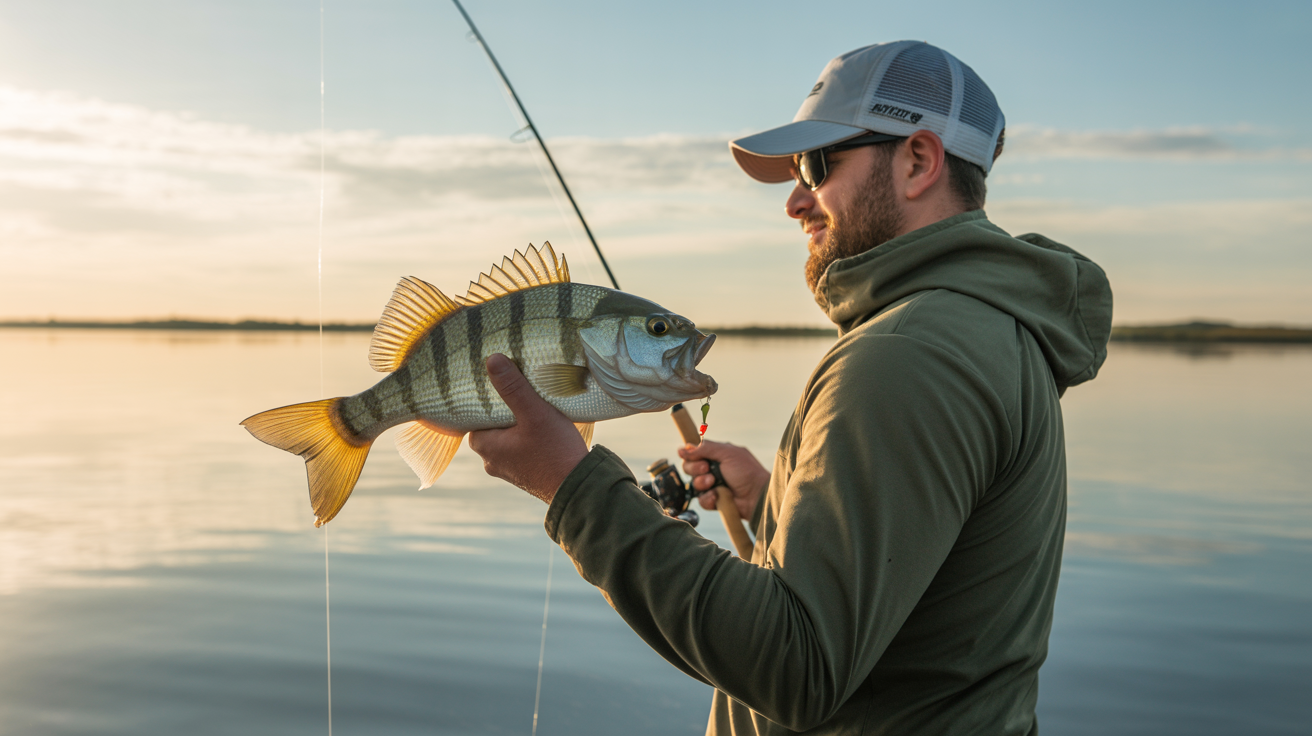
Most freshwater fish feed in predictable windows tied to light and temperature. Get those windows right and a mediocre spot will outfish a great spot fished at the wrong hour. Get them wrong and you can stand on top of a school all day and wonder why nothing's biting.
The short answer: first light and the last hour before dark are reliably the two best windows across most species and seasons. But that's a starting point, not a rule, catfish flip the script entirely, winter bass behave nothing like summer bass, and a thick overcast can extend a morning bite well past 9 a.m. This guide breaks down why those windows exist and how to adjust them for what you're actually fishing.
At a Glance
- Dawn and the last hour before dark are the most consistent windows across species and seasons, driven by low light, not the clock itself.
- Water temperature reshuffles the schedule by season: summer pushes the bite to the margins of the day, winter compresses it into a short midday window.
- Catfish are the exception that proves the rule, they're mostly nocturnal from late spring through early fall.
- Overcast skies extend a morning bite for hours by acting like a natural light filter over the whole water column.
- Barometric pressure can override time-of-day patterns entirely, a falling barometer ahead of a storm often triggers feeding at any hour.
- Match your presentation to the light, moving baits in low light, slow and vertical when the sun is high.
Why Dawn and Dusk Produce More Bites
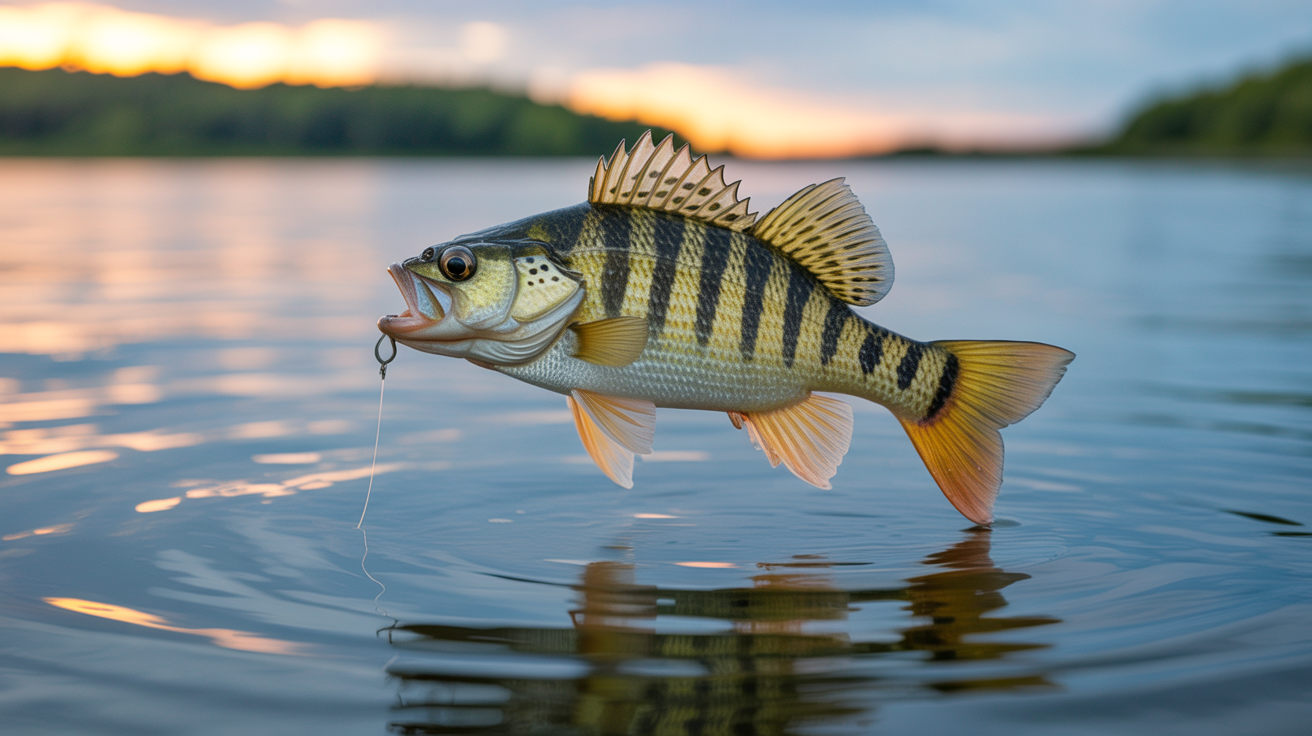
Light is the single biggest factor in freshwater fish behavior. Most prey species, shad, shiners, perch, crayfish, rely on dim conditions to hide from predators. Predator fish know this and time their feeding to exploit those low-light windows. The Take Me Fishing best-times-to-fish guide puts it plainly: fish generally prefer early morning and evening light to bright midday sun, in part because midday surface temperatures push them into deeper, cooler water.
At dawn, surface light drops below about 1,000 lux. Baitfish that schooled offshore overnight push into the shallows, and predators follow them. Water temperatures near the surface are also at their coolest point after a night of gradual cooling, so fish that retreated deeper in the afternoon heat are now willing to feed in two to five feet of water.
Dusk mirrors dawn but comes with a catch: fish have often been pushed around all day by boat traffic and fishing pressure. A quiet evening after a busy Saturday can be as productive as any morning. Look for feeding activity near weed edges, dock pilings, and points, anywhere baitfish concentrate as they transition to their nighttime holding areas.
How Low Light Changes Your Presentation
In low light, fish rely more on their lateral line (detecting vibration) and less on sight. This makes moving baits, crankbaits, spinnerbaits, swimbaits, often more effective than finesse presentations. You can cover more water without spooking fish as easily. Fluorocarbon line's near-invisibility matters less; you can get away with slightly heavier monofilament if that's what you have rigged.
Midday Fishing: Summer vs. Winter
Midday gets dismissed by a lot of anglers, but the logic depends entirely on water temperature.
Summer midday (water above 75°F): Bass, bluegill, and most panfish move off shallow flats and suspend over deeper structure. Surface water at noon in July can hit 85°F in shallow lakes, too warm for comfortable feeding. Fish sit in a semi-inactive state near thermoclines (the cool layer below the warm surface). Slow presentations worked vertically, drop shots, shaky heads, live bait under a slip bobber set 10 to 15 feet deep, outperform horizontal retrieves. It's not that fish won't bite, it's that they won't chase.
Winter midday (water below 50°F): The dynamic reverses. Morning water in January is the coldest it will be all day. Fish metabolism slows with the temperature, and they barely feed early. By noon, surface temperatures may have climbed four or five degrees, enough to trigger a brief, concentrated feeding window that can last until about 3 p.m. This is when slow-rolled swimbaits, blade baits, and live minnows fished near bottom structure pay off.
Night Fishing
Night fishing earns its reputation for big fish. Catfish are the most obvious target, channel cats and flatheads feed almost exclusively after dark from late spring through early fall, using their extraordinary sense of smell to track cut bait, chicken liver, or prepared stink bait. Fish the last few hours before midnight near channel edges and deep holes.
Largemouth bass also feed heavily at night in summer. A slow-rolled black or dark-colored spinnerbait or buzzbait along weed edges from 9 p.m. to midnight can produce fish that simply will not bite in daylight. The bass's lateral line picks up lure vibration easily; dark colors create better silhouette contrast against a lit sky.
Trout night fishing varies by regulation, many tailwater fisheries close after dark. Always check your state's rules before fishing after sunset.
How Season Shifts the Best Window
Season determines water temperature, which adjusts everything else. The table below gives a general guide:
| Season | Typical Water Temp | Best Window | Notes |
|---|---|---|---|
| Spring (pre-spawn) | 48–62°F | Mid-morning to early afternoon | Water warms fastest midday; bass move shallow |
| Late spring (spawn) | 62–70°F | Dawn and dusk | Bass on beds; feeding sporadic but aggressive |
| Summer | 70–85°F+ | Dawn to 8 a.m., dusk to dark | Midday lull is real; go deep or go home |
| Fall | 55–68°F (dropping) | Morning and afternoon, both productive | Baitfish school; bass and walleye feed heavily pre-winter |
| Winter | Below 50°F | 11 a.m. to 3 p.m. | Slow and deep; patience required |
Spring and fall are the forgiving seasons, fish feed more hours of the day because water temperatures sit in comfortable ranges and baitfish are easy to find. A beginner who can only get out on a Saturday afternoon will have far better luck in October than in August.
A Worked Example: Planning a Summer Saturday
Say you only have from 6 a.m. to 2 p.m. on a mid-July Saturday. Here's how the window breaks down on a typical warm lake:
| Time | Water Behavior | What to Fish |
|---|---|---|
| 6:00–8:00 a.m. | Coolest water of the day, shallow bite active | Topwater, spinnerbait, shallow crankbait |
| 8:00–9:30 a.m. | Bite tapering as sun climbs | Moving baits worked slightly deeper, 4–8 ft |
| 9:30–11:30 a.m. | Fish sliding off structure toward thermocline | Transition to drop shot or Carolina rig, 10–15 ft |
| 11:30 a.m.–2:00 p.m. | Midday lull, fish suspended and inactive | Slow vertical presentations, live bait under a slip bobber |
The pattern holds across most warm lakes in summer: fish the first two hours hard, then downshift your presentation rather than your effort as the sun climbs.
Species Differences: Bass, Catfish, and Trout
These three species behave differently enough that timing advice that works for one can steer you wrong on another.
Bass (Largemouth and Smallmouth)
Both species follow the low-light/water-temp pattern closely. Largemouth are slightly more tolerant of warm, shallow water; smallmouth prefer cleaner, cooler water and are active longer into the morning on clear lakes and rivers. For smallmouth in particular, the hour after sunrise on a rocky river flat can be exceptional because the flat warms faster than adjacent pools, drawing crayfish, and the bass that eat them.
Understanding how to read water and find where fish hold matters as much as timing with bass: they use specific types of cover and structure at specific times of day, moving shallower at low light and deeper as light increases.
Catfish
Channel catfish and flatheads are primarily nocturnal from May through September. Peak feeding typically runs from two hours after sunset to about 2 a.m. Daytime catfishing can work on cloudy days or in turbid water (stained water filters light and essentially creates a permanent low-light environment). If you're targeting catfish during the day, look for shaded cover and deep-water structure, undercut banks, bridge pilings, and deep bends hold fish that won't move until dark.
Trout
Trout are temperature-sensitive and oxygen-sensitive, which makes their feeding windows more variable than bass or catfish. In summer, morning is prime because water temperatures are lowest and dissolved oxygen is highest. A cold-water spring or tributary inflow is more important than the time of day, fish concentrate where cold water enters a warm lake or river regardless of the hour.
In autumn and winter, trout become more active during daylight. Overcast November days with water temperatures in the low 50s can produce all-day surface feeding on midges and small nymphs. Clear, sunny winter days often shut trout down until afternoon when subsurface temperatures tick up slightly.
Weather, Pressure, and the Variables That Override the Clock
The time-of-day patterns above assume stable conditions. An incoming cold front, a sharp barometric pressure drop, or a hard rain can trigger a feeding frenzy at noon on a Tuesday, or shut fish down at prime dawn. How weather and barometric pressure affect fishing deserves its own study, but the short version: a rising or stable barometer generally improves feeding; a sharp drop (ahead of a storm) often triggers a burst of activity followed by a long lull once the front passes. As Take Me Fishing's guide to reading the weather notes, fish appear to sense incoming weather and feed heavily before it hits, then go quiet for a stretch once the front passes through.
Overcast skies extend the morning window significantly. Clouds act like natural polarized filters, diffusing light across the water column. On a heavily overcast summer day, fish that would normally retreat deep by 8 a.m. may stay shallow and active until 10 or 11. If you're ever looking at a cloudy forecast and wondering whether to go, the answer is yes.
Wind matters too, though it's easy to overlook next to light and pressure. A light-to-moderate wind pushing into a bank stacks baitfish and warms surface water slightly by mixing it, both of which can extend a morning bite well past its usual cutoff. Dead-calm, bluebird days after a cold front are usually the toughest combination you'll face, low light isn't enough to overcome the pressure spike and the lack of cover on the surface.
Fishing licenses, legal hours, and season dates vary by state and water body. Always check current regulations with your state fish and wildlife agency before heading out.
Building Your Own Time-of-Day Log
The windows in this guide are averages across thousands of trips and hundreds of waters, useful as a starting point, but your home lake or river will have its own quirks: a warm-water discharge that keeps fish active at odd hours, a bay that catches morning sun earlier than the main lake, a stretch of river where boat traffic doesn't build until after 10 a.m. on weekdays.
A simple log closes that gap fast. After each trip, jot down the time, water temperature if you have a thermometer or electronics, sky conditions, and whether the bite was on, off, or somewhere in between. After a dozen trips across a season, patterns specific to your water start to show up that no general guide, including this one, can predict for you. Many anglers keep this in a phone notes app rather than a paper log simply because it's already in their pocket at the ramp.
FAQ
Is morning or evening better for fishing?
Morning has a practical edge for most anglers, water is at its coolest, fish have been undisturbed overnight, and you arrive before fishing pressure builds. Evening is equally productive in terms of fish activity but often suffers from boat traffic that's been running all day. If you can only pick one, morning is slightly more consistent. If you can do both, a full day that brackets the hot midday hours is the most productive structure.
What time do fish stop biting in summer?
On most lakes, the bite slows noticeably by 9 to 10 a.m. in midsummer once surface temperatures climb and light penetrates the shallows. It can recover slightly around dusk (7 to 8 p.m. depending on latitude) but the midday window from roughly 10 a.m. to 5 p.m. is genuinely slow in very warm water. That said, fishing deep structure with slow presentations can still produce fish even during the lull.
Do fish bite during rain?
Light rain is usually good for fishing, it breaks up the surface, reduces light penetration, and can knock insects into the water, triggering feeding. Heavy rain can temporarily muddy the water and push fish off their patterns, especially in rivers where runoff raises and discolors the current. The best period is often the 30 to 60 minutes before rain arrives, when barometric pressure is dropping.
Is night fishing worth the effort?
For catfish: absolutely, especially in summer. For bass: night fishing from June through August is genuinely excellent and often produces larger fish than daytime sessions. For trout and panfish: less so, and some waters prohibit it. The main challenge is navigation and safety, know your water before you try it after dark, and always wear a life jacket on a boat at night.
Does the full moon affect fishing?
There's real biology behind lunar timing: tidal effects exist even in inland lakes, and many baitfish species spawn on full or new moons. According to Take Me Fishing's guide to fishing by the moon phase, the periods around a full or new moon tend to produce the strongest feeding activity, and increased water movement during those phases tends to bring more baitfish, and more feeding fish, with it. In practice, a full moon night can improve night fishing because ambient light helps predators hunt visually. Some experienced anglers find the full moon makes daytime fishing slightly slower because fish fed actively overnight. It's worth noting, not obsessing over.
How much does elevation or latitude change these windows?
More than most anglers expect. A lake at 6,000 feet in the Rockies runs 10 to 15 degrees cooler than a lowland lake at the same latitude on the same July day, which pushes its "summer" feeding pattern closer to what a lowland lake sees in late spring, longer active windows, less of a hard midday shutdown. Latitude shifts the clock rather than the pattern: a dawn bite in northern Minnesota in June can start before 5 a.m. because of the earlier sunrise, while the same pattern in Texas starts closer to 6:30. Use sunrise and sunset times for your specific location rather than a fixed clock hour, and adjust the windows above accordingly.