Techniques & Tactics
How Weather and Barometric Pressure Affect Fishing
Learn how falling pressure fires up fish before a storm, why bluebird days slow the bite, and how to adjust tactics to rain, wind, and cloud cover.
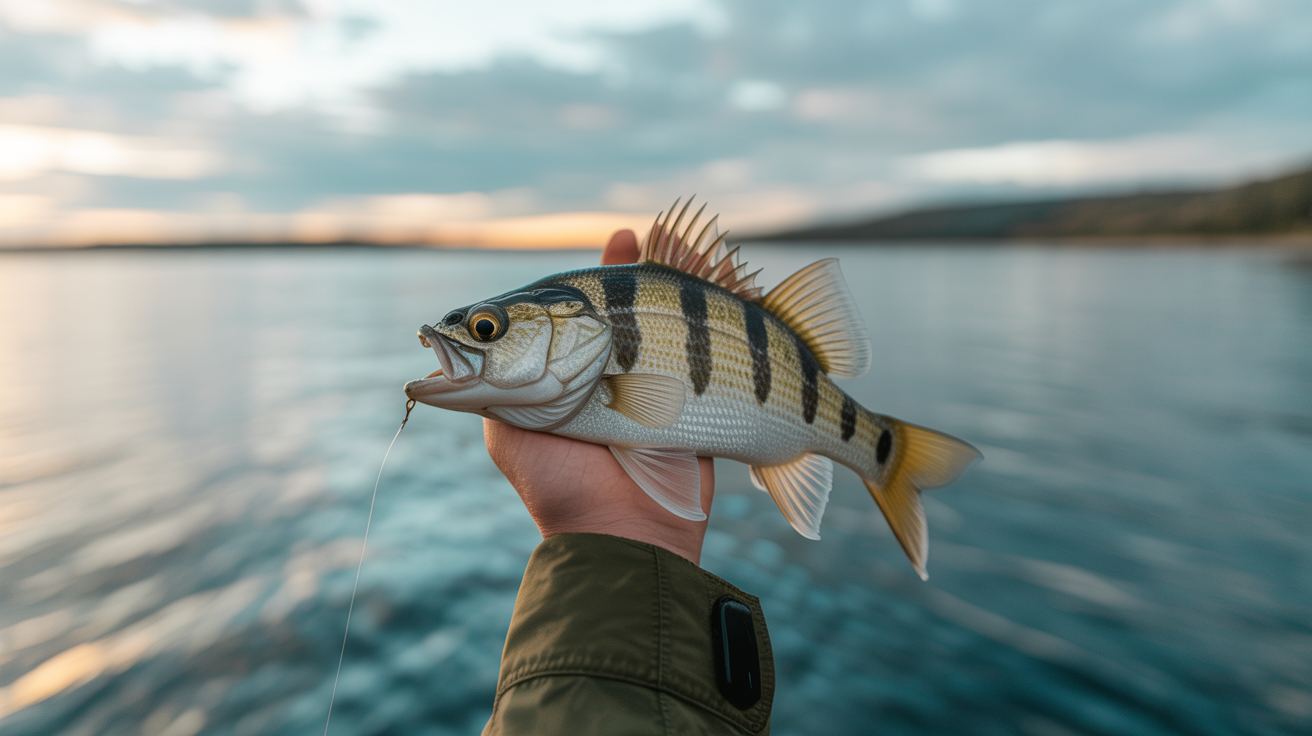
Seasoned anglers talk about barometric pressure the way farmers talk about weather, with a mix of conviction and humility. The short answer: pressure changes do influence fish behavior, particularly for species like bass, walleye, and crappie. But "low pressure = great fishing" is an oversimplification. What actually matters is the change in pressure, not the absolute reading, and that change interacts with wind, cloud cover, rain, and water temperature in ways worth understanding before you load the truck.
How Barometric Pressure Actually Works on Fish
Barometric pressure is simply the weight of the atmosphere pressing down on the water's surface. Fish have a swim bladder, an air-filled organ they use to stay neutrally buoyant at a given depth. When pressure drops sharply, that bladder expands slightly; when pressure spikes, it compresses. Fish adjust, but the adjustment takes time and energy.
The practical result is that fish tend to feed most aggressively during pressure transitions, especially a falling barometer ahead of a front. A sustained high-pressure system can produce sluggish, hard-to-catch fish, not because the pressure itself hurts them, but because they've settled into a comfortable depth and have less metabolic urgency to chase food.
A few caveats worth naming: research on how much barometric shifts actually drive feeding is mixed. Some studies show clear correlations; others find time of day and water temperature swamp the pressure signal. Think of pressure as one piece of the puzzle rather than a magic key.
What the Numbers Mean
Most fishing apps and weather apps show pressure in inches of mercury (inHg) or millibars (mb). A standard reading near sea level is roughly 29.92 inHg (1013 mb). Here's a rough guide:
- Rising rapidly (>0.10 inHg in 3 hours): Fish often go deep and suspend. Bite can stall.
- Steady high pressure: Midday bite slows. Early morning and evening windows matter more.
- Slowly falling: Fish start moving; feeding windows expand.
- Falling fast ahead of a front: Pre-front feeding flurry, often the best window of the week.
- Post-front high pressure, bluebird sky: Tough. Fish pushed deep, spooky, tight to cover.
Do Fish Bite Before a Storm?
Yes, and this is probably the most reliable weather pattern in freshwater fishing. The 12 to 24 hours before a significant cold front moves through often produce exceptional fishing. Several things converge:
Pressure is falling. Overcast skies cut surface glare, which makes fish less wary in shallower water. Wind picks up and churns the shallows, scattering baitfish. Water temperature is still comfortable. Fish seem to know a change is coming and feed hard while conditions allow.
For bass, this pre-front window often produces topwater strikes in spots that normally require a slow, finesse presentation. Crappie move shallower. Walleye feed earlier in the day than usual. The bite often peaks 4–8 hours before the front's arrival, then tapers as the storm gets close and the wind gets chaotic.
After the front passes and a high-pressure dome settles in, things typically slow for 1–3 days. Bright sun, calm water, and elevated pressure push fish deep and into tight cover. You can still catch them, finesse gear, slower presentations, and fishing shaded or deep structure pays off in these conditions.
Wind, Rain, and Cloud Cover
Wind
"Wind from the west, fishing's best" is old folklore, but the directional claim is questionable. What is consistently true is that wind creates current, aerates the water, and concentrates baitfish along windblown banks and points. The rippled surface also breaks up light penetration and makes fish less likely to spook.
On a calm lake, fish the windblown shoreline rather than the calm lee bank. Wind pushing into a point or flat for several hours will stack baitfish there, and predators follow. For reading water and locating fish, wind-driven current on an otherwise still lake creates the kind of subtle flow that concentrates fish in predictable spots.
Very strong wind (sustained 15–20 mph or more) can make boat control miserable and stir up so much sediment in shallow areas that visibility drops to near zero. In those conditions, move to calmer water, protected coves, inside bends, the downwind side of islands.
Rain
Light to moderate rain is generally good for fishing. It disturbs the surface, dims light penetration, washes terrestrial insects and worms into the water (easy meals), and seems to lower fish wariness. Bass and panfish often move shallow when it rains.
Heavy rain that runs off into the lake or river introduces cold, murky, oxygen-poor water. That can shut the bite down fast, especially in smaller impoundments. If you see the water color change to muddy brown during a downpour, shift toward cleaner-water areas, the main lake basin, areas away from creek arms and inlet channels.
Cloud Cover
Overcast conditions favor fishing throughout the day, not just early morning and evening. With less light penetration, fish holding in structure and cover are more willing to move out and actively hunt. Topwater lures and faster retrieves are more productive on cloudy days than on bluebird days, when fish tend to hold tighter and require slower, more precise presentations near the bottom.
Water Temperature and Turnover
Pressure gets most of the attention, but water temperature drives fish metabolism more directly than any weather variable. Cold-blooded fish eat when their body temperature allows efficient digestion. Bass become sluggish below about 50°F and are most aggressive between 60–75°F. Walleye prefer 55–68°F. Trout often prefer cooler water than warm-water species, which is why they move deep in summer.
Fall Turnover
Once each year in most temperate lakes, cooler autumn air chills the surface water until it's denser than the warmer water below. The lake "turns over", the layers mix, bringing low-oxygen, hydrogen-sulfide-laden bottom water to the surface. The water goes murky, often smells slightly sulfurous, and fish scatter unpredictably. Turnover can last a few days to a couple of weeks. Fishing is often poor during this period.
After turnover is complete, the lake stabilizes at a uniform temperature, oxygen distributes evenly throughout the water column, and fish often feed aggressively in preparation for winter. Late October and early November can be excellent in many Northern lakes for this reason.
Adjusting Tactics to Conditions
This table summarizes common conditions and practical adjustments. It's not a rigid formula, fish in your lake may respond differently, but it's a starting framework.
| Condition | Fish Behavior | Tactic |
|---|---|---|
| Falling pressure, overcast | Active, feeding shallow | Faster retrieves, topwater, crankbaits |
| Pre-storm wind picking up | Feeding on windblown banks | Lipless crankbaits, spinnerbaits along windblown shoreline |
| Rain, light-moderate | Moving shallow, less wary | Soft plastics worked through shallow cover; topwater if overcast |
| Post-front bluebird sky | Deep, tight to cover, inactive | Drop shot, finesse ned rig, slow presentations at depth |
| Stable high pressure, bright sun | Shaded/deep structure, feeding at low-light edges | Fish shaded docks and laydowns; focus on dawn and dusk windows |
| Turnover (murky, uniform temp) | Scattered, stressed, low activity | Move to cleaner tributary arms; drop down in size with finesse baits |
| Rising pressure after front | Gradually activating | Transition baits, medium-action retrieves, slowly move shallower |
For timing your trips around these windows, the most productive sessions tend to combine low light (early morning or overcast), a slowly falling barometer, and mild wind, the combination that pushes fish shallow and makes them chase.
On the Limits of Pressure Charts
There are fishing apps that assign a "fishing score" based on barometric pressure, moon phase, and temperature. These can be a useful starting point, but treat them as loose guides. A lake you've fished for three years teaches you more than any chart. Some bodies of water consistently fish well under conditions that charts say are bad. Local knowledge, water clarity, and forage availability all interact with pressure in ways no algorithm fully captures.
What pressure changes reliably signal is instability, and unstable conditions are generally more interesting than stable ones. Whether that instability produces a bite depends on a dozen other factors. The angler who adapts presentations, moves to find clean water, and covers different depths is going to outfish the one who stays home because the pressure chart says "poor."
FAQ
What is the best barometric pressure for fishing?
Most anglers find fishing most productive when pressure is slowly falling, typically 29.70–29.90 inHg and trending down over several hours. The falling phase ahead of an incoming weather system tends to trigger the most active feeding. Post-front conditions with pressure above 30.10 inHg and rising quickly tend to be the slowest.
Do fish bite in the rain?
Light to moderate rain often improves fishing by reducing surface glare, adding terrestrial food to the water, and making fish less spooky. Heavy rain that muddies the water and drops the temperature sharply can shut the bite down. The sweet spot is a steady drizzle with overcast skies.
How long does the post-front slowdown last?
It varies, but expect one to three days of slow fishing after a significant cold front, especially in fall and spring when fronts are strongest. The bite typically returns as the new high-pressure system stabilizes and fish adjust. Warm-season fronts are generally shorter and less disruptive than cold-season ones.
Does the moon phase matter more than barometric pressure?
For most freshwater species, water temperature and barometric pressure have a stronger day-to-day effect than moon phase. Solunar tables have their believers, and there's evidence that major and minor feeding periods around moon rise and set correlate with activity. But a falling barometer the day before a storm will usually produce better fishing than a prime solunar window on a bluebird post-front day.
Should I bother fishing during stable high pressure?
Yes, fish still eat. Adjust your approach: fish deeper structure, use lighter line (6–8 lb fluorocarbon rather than 12 lb mono), downsize your lures, slow your retrieve, and focus on the low-light windows at dawn and dusk. Many very experienced anglers say high-pressure fishing forces technique improvements that make you better overall.
Tackle Theory is an independent freshwater-fishing resource. Our guides are researched and written in-house; we are not affiliated with, endorsed by, or sponsored by any tackle brand, guide service, or retailer mentioned here. Fishing licenses, seasons, and size and creel limits vary by location, always confirm current regulations with your local fish and wildlife agency.