Techniques & Tactics
Night Fishing for Beginners: What Changes After Dark
Learn how fish behavior shifts after sunset, what gear to bring, and a simple night setup that works on most warm-water lakes.
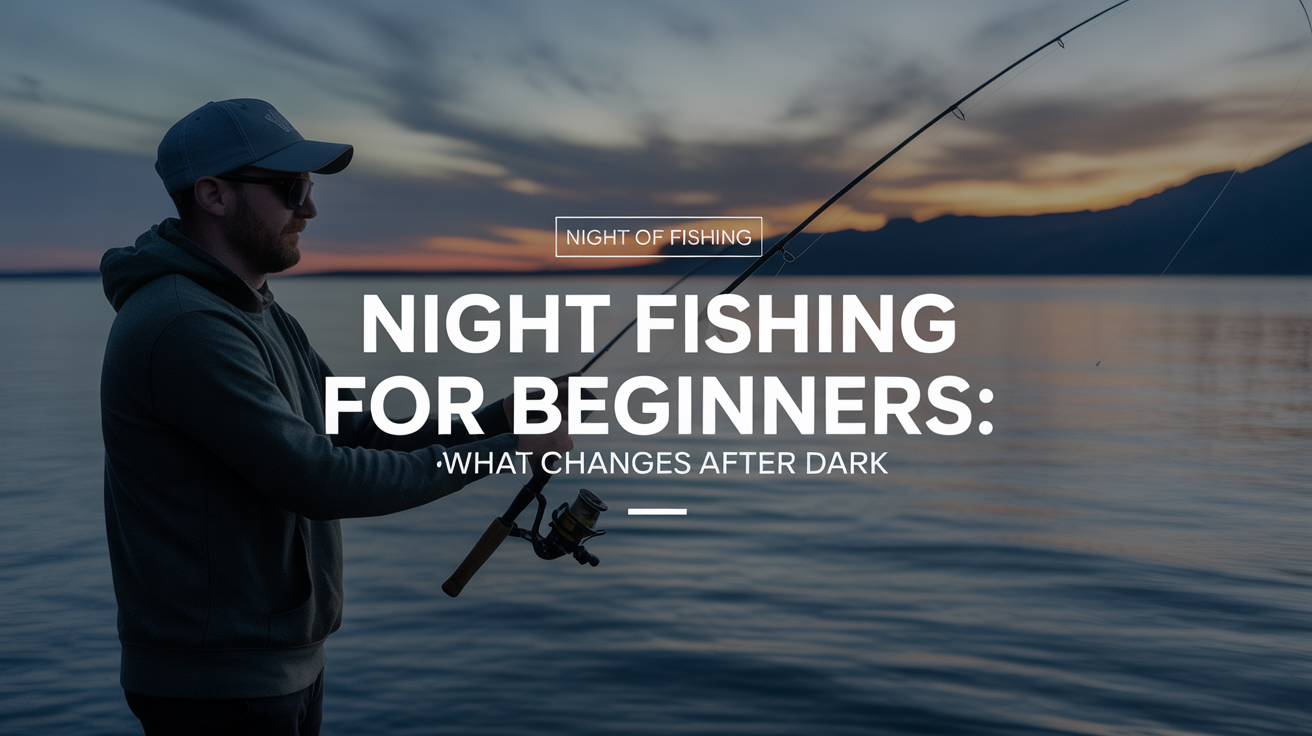
Night fishing is one of the most overlooked ways to catch more fish, especially in summer when warm midday water sends bass, catfish, and panfish into deep shade and a near-dormant state. After the sun drops, water temperatures cool, baitfish move into the shallows, and predators follow.
This guide covers what changes after dark, what to pack, how to locate fish without relying on your eyes, and a simple setup for your first night out.
Why Fish Behave Differently After Sunset
The core reason is light. Predator fish like bass and catfish use low light as cover. Without bright sun, they can chase prey at the surface and in shallow water without being as visible to that prey. The same shallow flats and points that are too exposed during midday become productive feeding zones from dusk through midnight.
Catfish are built for darkness. Their barbels (the whisker-like sensors around their mouth) detect scent and vibration rather than sight, which makes them effective hunters in zero-visibility water. A warm summer night on a lake with good catfish populations can produce some of the most active feeding you will see all year.
Bass are more visual hunters than catfish, but they still feed hard at night. They orient to sound and lateral-line vibration, which is why lures that push water or make noise outperform finesse presentations after dark.
Water temperature and barometric pressure also factor in. Weather and pressure changes affect fish activity around the clock, and a stable, warm night after a clear day tends to be better than fishing right after a cold front.
If you want to compare night fishing to other productive windows, the best time of day to fish covers dawn, dusk, and midday in more detail.
What Changes About Finding Fish
During the day you can see a lot: the shadow of a dock, the edge of a weedbed, a drop-off visible through clear water. At night you lose most of that visual information. This is where understanding structure and cover matters even more than during daylight hours.
Fish still stack on the same structural features. Points, creek channel edges, dock pilings, bridge abutments, and rock piles all hold fish at night, often in shallower water than they occupied during the day. The difference is that you need to know where those features are before dark.
Practical approach:
- Scout before sunset. Walk or boat the area while you can still see. Note where docks have lights, where bottom transitions from rock to sand, and where there are submerged weeds near deeper water.
- Use lighted structure. Dock and bridge lights attract insects, which attract baitfish, which attract predators. A lit dock at night is one of the most reliable fish-holding spots on a warm-water lake. Cast to the edge of the light, not into the center.
- Fish by feel. With a lure on the bottom, you learn to read the structure through your rod. Gravel feels different from mud, which feels different from rock. Night fishing sharpens this skill fast.
- Listen. Bass busting baitfish at the surface make a distinctive splashing sound. Catfish sometimes roll visibly at the surface. On a quiet night, you can hear activity and cast toward it.
Gear Adjustments for Night Fishing
You do not need a completely different tackle box. A few targeted swaps cover most situations.
Lures and Presentations
Dark-colored lures outperform bright ones at night. The reason is silhouette: fish looking up at a lure against any ambient sky light see a dark shape more clearly than a light one. Black, dark blue, and dark purple are the go-to colors.
Slow-moving presentations that displace water work better than fast, flashy ones. Fish are using sound and vibration to track lures in low light, and a lure that moves too quickly is harder to zero in on.
| Situation | Lure Choice |
|---|---|
| Bass over shallow flats | Black soft plastic swimbait, slow retrieve |
| Bass near docks or cover | Black buzzbait or topwater (produces a sound strike) |
| Catfish on bottom | Cut bait or live shad on a slip sinker rig |
| Panfish near dock lights | Small jig or worm under a glow bobber |
Avoid lures with lots of flash or fast rattles as your primary night tool. They can work, but a slow, steady retrieve is easier to execute when you cannot see your line.
Lighting
A headlamp is non-negotiable. The most useful models have a red-light mode, which preserves your night vision when you need to tie a knot or unhook a fish. White light kills night vision in seconds, so flip to red whenever you are doing close-up work. White mode is fine for navigating or handling gear between casts.
Cheap headlamps from hardware stores work fine. Spend a few dollars more to get one with both white and red modes, and make sure the batteries are fresh before you leave.
Glow-in-the-dark bobbers solve the problem of watching a float at night. Charge one with your phone flashlight for 30 seconds and it glows clearly for an hour or more. Useful for catfish or panfish setups where you want to watch for a bite.
Other Gear Adjustments
- Pre-tie your rigs at home. Tying knots in the dark is frustrating and leads to weak connections. Bring several rigs already tied on spare hooks or pre-rigged leaders.
- Organize your tackle box before dark. Know where each item lives so you can find it without dumping everything.
- Keep a small flashlight or lantern in your bag. Headlamps fail. A backup light is cheap insurance.
- Wear dark or muted clothing. Fish in shallow water at night can still spook from movement.
A Simple Night Fishing Setup
If you are new to night fishing, start with one of these two approaches rather than experimenting with multiple rigs:
Option 1: Slip bobber with live bait
Rig a slip bobber about two feet above a size 4 or 6 hook. Hook a live nightcrawler, small shad, or large minnow. Cast near a lit dock, bridge pylon, or shallow flat, and let the bait sit. Watch your glow bobber. This setup works for bass, catfish, and larger panfish. It requires minimal movement, which means fewer tangles in the dark.
Option 2: Slow-rolled swimbait
Tie on a 4-inch black soft plastic swimbait on a 1/8 to 1/4 oz jig head. Cast parallel to shore or along a dock, let it sink two or three seconds, and retrieve slowly and steadily. Feel for any bump, tick, or resistance. Bass, walleye, and larger panfish all take this setup on warm-water lakes at night.
Both options are forgiving for beginners. Neither requires precise presentations or complex retrieves.
Safety After Dark
Fishing at night adds real hazards that do not exist during the day. A few straightforward habits keep things from going sideways.
Hook safety is the biggest concern. You cannot see a hook as well, and loose hooks on a dock or boat deck become foot hazards. Keep your tackle box closed when you are not actively rigging. When removing a hook from a fish, use a headlamp on white mode and work deliberately.
Tell someone where you are going. A quick text before you leave covers you if something goes wrong on a remote bank or alone on a boat.
Wear a life jacket on a boat. This matters more at night when visibility is reduced.
Watch your footing. Banks, rocks, and dock boards that look solid in daylight can be slippery or unstable after rain.
Check regulations before you go. Night fishing is legal on most waters in North America, but some lakes, rivers, and stretches have restricted hours or species-specific rules. A few states also require a light on your boat after dark if you are within navigable water. Check your state or provincial fish and wildlife agency website for the specific rules on any water you plan to fish.
Frequently Asked Questions
What fish are most active at night? Catfish, bass, and walleye are the most reliably active species after dark in freshwater. Catfish are built for low-light feeding and often bite best from an hour after sunset through midnight. Bass become more aggressive at the surface at night. Walleye, which have light-sensitive eyes, actively feed at night even during seasons when daytime catches slow down.
Do I need special fishing line for night fishing? No. Your regular monofilament or fluorocarbon line works fine. Some anglers prefer high-visibility monofilament (yellow or green) so they can watch for line movement, but this is a preference rather than a requirement. The bigger adjustment is pre-tying your rigs at home so you are not struggling with line and hooks in the dark.
How do I know if a fish bit when I cannot see my line clearly? Watch the tip of your rod. Even in low light you can usually see movement at the tip. With a bobber setup, your glow bobber tells you everything. On a slow retrieve, train yourself to feel for any change in pressure or resistance. Strikes at night are often more deliberate than daytime bites, especially from catfish, so you may feel a steady pull rather than a sharp tap.
Is night fishing better in summer or fall? Summer is the peak season for night fishing on warm-water lakes. Water temperatures during the day push fish deep or into shaded cover, and night gives them a window to feed comfortably in the shallows. Fall nights can also be productive, especially for bass and catfish, as fish feed actively before water temperatures drop into winter.
Do I need to fish deep or shallow at night? On warm summer nights, fish tend to move shallower after dark. Bass that held in 12 to 15 feet during the day may slide into 4 to 6 feet at night to chase baitfish. Dock lights and shallow flats close to deeper water are reliable spots. There are exceptions, especially for catfish in rivers, but shallower presentations generally outperform deeper ones after sunset on most lakes.