Knots & Rigs
How to Rig a Slip Bobber for Live Bait
Learn the slip bobber rig step by step: bobber stop, bead, float, split shot, and hook. The clearest slip bobber setup guide for beginners.
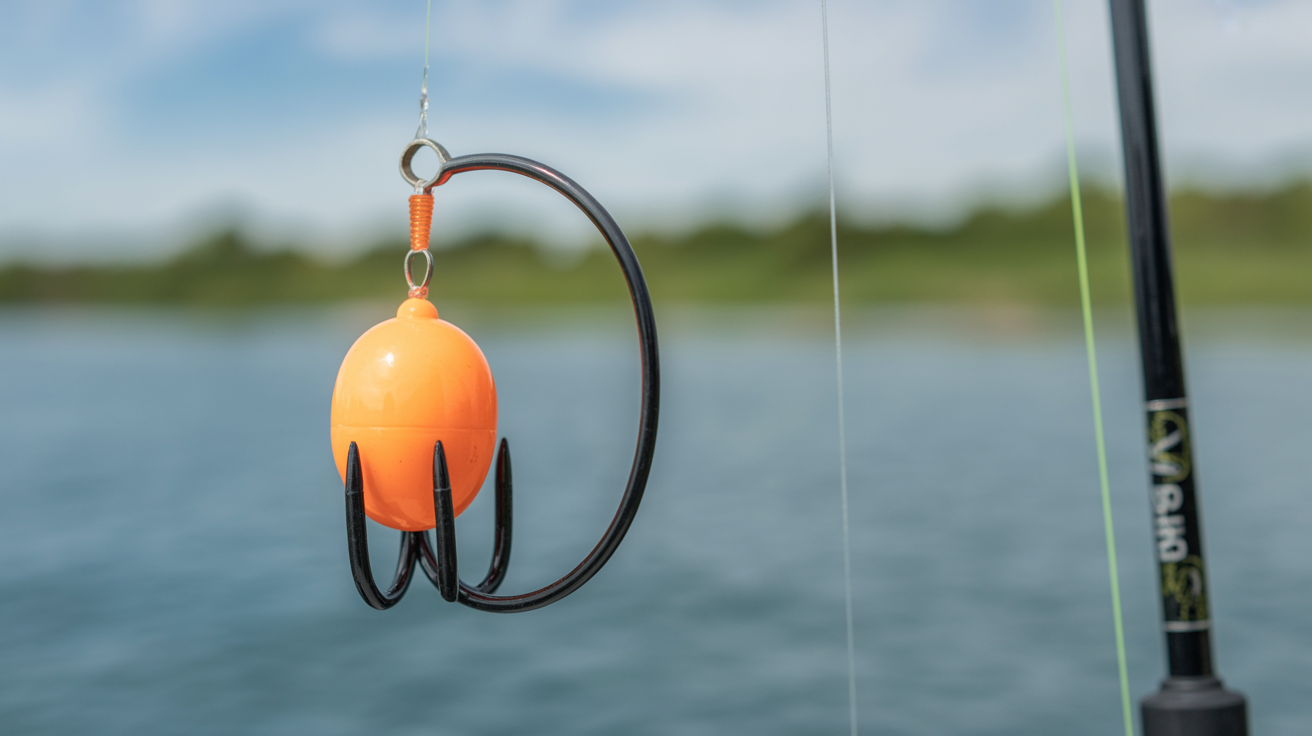
A slip bobber rig lets you fish live bait at any depth without retying your line, and it casts far better than a fixed bobber on deeper water. Here is exactly how to build one from scratch.
What Is a Slip Bobber and Why Use It
A fixed bobber clamps directly onto your line at a set point. That works fine when fish are holding in two or three feet of water, but it gets clumsy fast when you need to fish six, eight, or twelve feet down. The bobber becomes so far from your hook that casting turns into a tangle.
A slip bobber solves that problem. Your line runs through a hollow channel in the float rather than being locked to it. When you cast, the weight of the rig pulls the line through the bobber until it hits a knot you tied higher up. That knot stops the float and sets your depth. At the cast, the rig is compact and easy to throw. Once it lands, the float slides down to the knot and holds your bait right where you want it.
This makes the slip bobber setup the go-to choice for bobber fishing for beginners who are targeting panfish like crappie or bluegill holding near submerged brush, walleye suspending over deep flats, or perch along a drop-off.
The Components You Need
Before you tie anything, gather these five pieces. They go on your line in order from top to bottom.
| Component | What It Does |
|---|---|
| Bobber stop knot or rubber peg | Sets the depth; slides through guides but stops the float |
| Small plastic bead (4-5 mm) | Protects the bobber stop from pulling through the float's hole |
| Slip float | The actual bobber; line runs through the center |
| Split shot weight | Sinks the bait and keeps the float standing upright |
| Hook | Size 4 to 10 depending on bait and target species |
You can buy pre-tied bobber stops on small lengths of monofilament at any tackle shop. They are far easier than tying your own when you are starting out. If you want to tie your own, a simple uni-knot style stop works well on six to twelve pound test monofilament or fluorocarbon.
How to Set Up a Slip Bobber, Step by Step
Work through these steps in order. Getting the sequence wrong means you have to cut your line and start over.
Step 1: Slide the bobber stop onto your main line. Thread the tag end of your main line through the loop of the bobber stop, then pull the stop down onto your line. Wet the stop and cinch it snugly where you want it. If you are using a rubber peg-style stop, just slide it onto the line and lock it in place.
Step 2: Add the bead. Thread the bead onto your line below the bobber stop. The bead sits between the stop and the float. Its job is to prevent the tiny stop knot from pulling through the float's center hole. Without it, the stop can disappear into the float under casting pressure.
Step 3: Thread the float. Run your main line through the center hole of the slip bobber from bottom to top. The float now slides freely up and down the line.
Step 4: Pinch on a split shot. Pinch one or two small split shot weights onto your line about eight to twelve inches above where your hook will hang. Start with one BB-size shot. The weight serves two purposes: it sinks your bait down fast and it loads the float correctly so it stands upright rather than laying on its side.
Step 5: Tie your hook. Attach your hook to the end of the line using an improved clinch knot or a Palomar knot. The improved clinch knot is easy to tie with cold or wet hands and holds reliably on monofilament. The Palomar knot is slightly stronger and well worth knowing once you have the clinch dialed in. Both are covered in 5 fishing knots every beginner should know.
Your rig is now ready. The whole assembly takes about two minutes once you have done it a few times.
Setting the Right Depth
Slide the bobber stop up or down the line to adjust how deep your bait sits. Moving the stop up makes the float travel farther before it stops, so your bait hangs deeper. Moving the stop down brings the bait shallower.
A good starting point when you are unsure of depth:
- Panfish near cover: start at four to six feet, then adjust based on where fish are showing on a depth finder or where you see bites coming from
- Walleye: try presenting bait one to two feet off the bottom; measure with a depth sinker first
- Crappie around brush piles: suspended crappie often hold one to three feet above the top of the structure
Reposition the bobber stop by sliding it while it is still on the line. You do not need to cut or retie. This is the feature that makes the slip bobber setup genuinely useful on days when fish are moving around and you need to keep changing depth.
Choosing Live Bait for a Slip Bobber Rig
The rig works with almost any live bait that fits the hook without weighing down a small float. Match the bait size to the hook size and the target species.
Worms and nightcrawlers are the most forgiving choice for beginners. Thread a piece of nightcrawler on a size 6 or 8 hook. Leave a short tail to wriggle. Bluegill, perch, crappie, bass, and catfish all take worms under a bobber.
Minnows are the standard choice for crappie, walleye, and bass. Hook a small minnow just behind the dorsal fin with a size 4 or 6 hook. This lets it swim freely and stay alive longer. Do not hook through the spine.
Crickets and grasshoppers work well for bluegill in the summer. Hook them through the thorax with a size 8 to 10 hook.
Leeches are a top pick for walleye in the Midwest. Hook a leech through the sucker end with a size 4 hook. They swim naturally and stay on the hook well.
Keep live bait cool and aerated in a proper bait bucket. Stressed or dead bait produces far fewer bites than lively bait, no matter how good your rig is.
Reading the Float and Setting the Hook
Once your rig is in the water, watch the float. A properly balanced slip bobber should stand mostly vertical with just the tip showing above the surface. If the float lays flat, add a touch more weight. If it bobs erratically without any bite, your split shot may be too heavy and dragging bottom.
A real bite usually looks like one of these:
- The float bobs down and pops back up a few times, then goes under cleanly
- The float slides sideways across the surface (a fish picked up the bait and is moving)
- The float suddenly pops up higher than before (a fish has lifted the bait off the bottom, reducing the weight load on the line)
When the float goes under and stays down, lift the rod firmly with a short wrist-snap. You do not need to swing hard. Most panfish and walleye hook themselves against the resistance of the rig. Give it a beat, feel for weight, then reel.
Handle hooks carefully when landing fish or removing a rig from a snag. Barbless hooks or crimped barbs make unhooking faster and safer, especially with panfish that swallow the hook quickly. Check local regulations before fishing, as barbless requirements apply on some waters.
Frequently Asked Questions
Can I use a slip bobber with braided line?
Yes, but braided line is slick and a standard thread-style bobber stop can slip. Use a rubber bobber stop specifically sized for braid, or add an extra half-hitch to a thread stop before snugging it down. Test it at home before you go out by tugging the stop toward the float to confirm it holds.
How deep can I fish with a slip bobber?
As deep as your line is long, practically speaking. You can set a slip bobber at fifteen or twenty feet and still cast it comfortably because the rig compresses to just the distance between your rod tip and the float during the cast. This is the core advantage over a fixed bobber, which becomes nearly impossible to cast at depths beyond five or six feet.
What size slip bobber should I buy?
Match float size to the weight of your bait and rig. A small pencil-style float, around three to four inches, handles a single split shot and a small minnow or worm. A larger round float is better if you are using bigger bait or fishing in current. The float should sit low in the water with good tension when your rig is set, not riding high and unloaded.
Do I need a special rod for slip bobber fishing?
Not really. A medium-light spinning rod in the six to seven foot range works well. Longer rods help you pick up slack line on the hookset from a distance. A spinning reel loaded with eight to ten pound monofilament is the standard pairing. Avoid heavy action rods, which make it harder to feel the difference between a bite and a snag.
How do I keep my bait at the right depth if the bobber stop slips?
Check the stop after every few casts by trying to slide it with moderate finger pressure. If it moves too easily, untie it and replace it. Thread-style stops wear out faster than rubber ones. Carrying a few spare bobber stops in your tackle box means you can replace one in seconds without cutting your rig apart.