Techniques & Tactics
How to Retrieve a Lure: Speeds and Actions That Trigger Strikes
Learn lure retrieve techniques that actually trigger bites: steady, stop-and-go, jerk-pause, lift-and-drop, and burning explained for beginners.
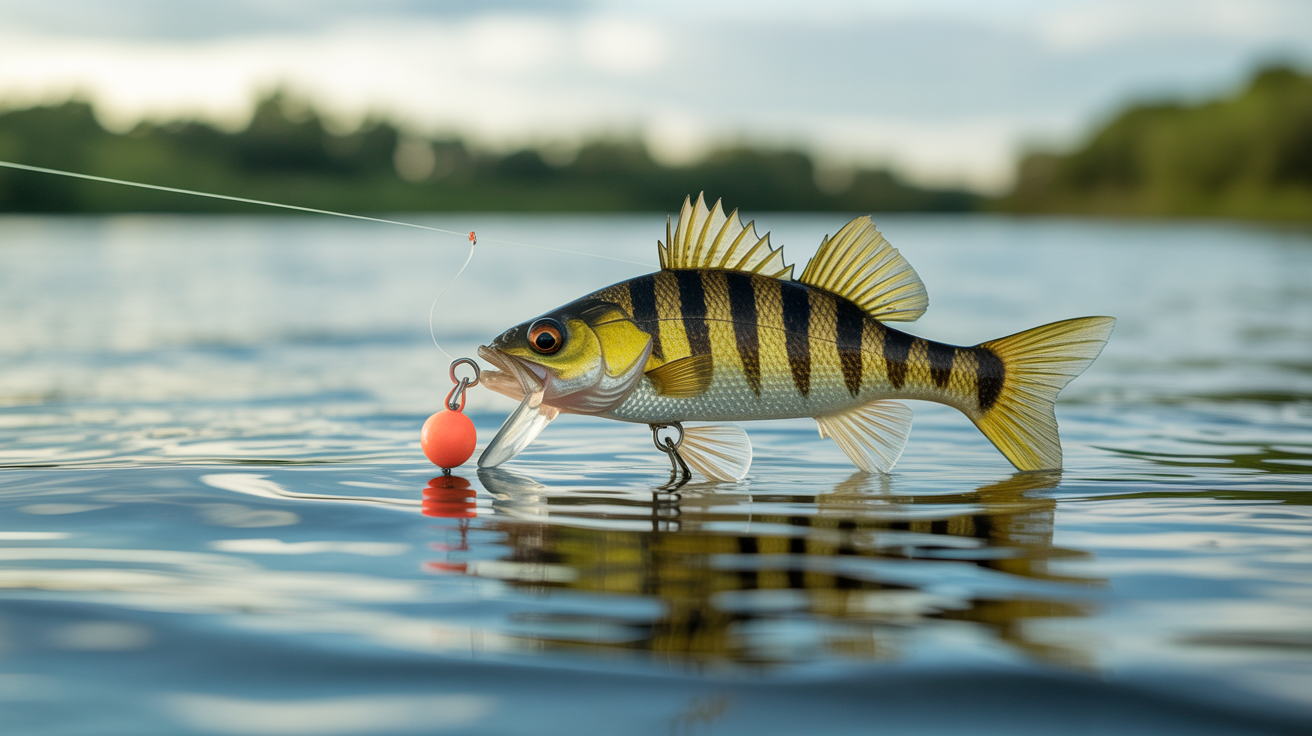
The way you reel in a lure matters just as much as which lure you tie on. Fish rarely chase something that moves in a straight, robotic line, and learning a few different retrieves can turn a fishless morning into a productive one.
Why Retrieve Matters More Than Most Beginners Think
When you first start fishing with lures, the instinct is to cast and crank. That works occasionally, but fish are reacting to movement, vibration, and the suggestion of something alive. A lure that hesitates, darts, or suddenly changes speed looks far more like real prey than one moving at a constant pace.
Water temperature also plays into this. Cold water slows fish metabolism, so they are less willing to chase. Warm water does the opposite. Matching your retrieve speed to the conditions is part of reading the water and finding where fish hold.
Think of your retrieve as a conversation with the fish. You are asking them to react, and you can change what you are saying until you find what works on that particular day.
The Five Core Lure Retrieve Techniques
Steady Retrieve
This is exactly what it sounds like: cast, let the lure sink to your target depth, then reel at a consistent pace the whole way back. Simple, but still useful.
Steady retrieves work best with lures that have built-in action, meaning the lure wiggles or vibrates on its own without you doing anything extra. Crankbaits and inline spinners fall into this category. You supply the speed; the lure does the movement.
Speed still matters here. A slow, steady retrieve keeps the lure near the bottom and often works better in cold water. A medium steady pace covers the mid-column. A fast steady retrieve rides the lure higher and pulls it through weeds more easily.
Stop-and-Go
Reel for a few seconds, then stop completely and let the lure pause. Resume. Pause again. The pause is usually where the bite happens.
Fish often follow a moving lure without committing. When it suddenly stops, they have a split second to decide, and many times they grab it. This retrieve mimics a baitfish that stops to rest or changes direction.
Stop-and-go works particularly well with crankbaits over submerged structure and with soft plastic paddle-tail swimbaits. Keep the pauses short at first, maybe one to two seconds, and lengthen them if fish are following but not striking.
Jerk-Pause
The jerk-pause puts some aggression into the retrieve. Reel up slack, then give the rod a sharp sideways or downward twitch. The lure darts to one side. Then let it sit dead in the water for a moment before the next twitch.
Jerkbaits (hard plastic minnow-shaped lures) are built for this retrieve. The erratic, wounded-baitfish movement triggers reaction strikes from bass and pike especially. You are not fighting the lure; one firm flick of the wrist is enough.
Pause length is a variable worth experimenting with. In cold water, let the lure hang for five to ten seconds before the next jerk. In warm water, two to three seconds often does the job.
Lift-and-Drop
This retrieve is most useful when your lure is near the bottom. Lower the rod tip, take up slack, then lift the rod from roughly the nine o'clock position to about eleven or twelve. Let the lure flutter back down on a semi-slack line, lower the rod, and repeat.
Jigs and weighted soft plastics shine with a lift-and-drop because they look like a crawfish or small creature working along the bottom. The fall is the key part. Fish often strike as the lure is dropping, so stay ready and keep light contact with the line.
If you feel anything odd on the fall, weight, a tap, or the line going slack ahead of schedule, set the hook.
Burning
Burning means reeling as fast as you can. It sounds counterintuitive, but there are situations where speed triggers instinct and fish strike before they think.
Spinnerbaits and bladed jigs fished fast through open water can pull reaction bites from bass and pike. Burning a crankbait just under the surface during low-light periods is another scenario where speed works. It can also be useful when fish are aggressive but ignoring slower presentations.
Use burning as a last resort or as a change-up after slower retrieves have not produced. The fast movement also deflects off submerged wood and rocks in a way that can draw strikes right out of cover and structure.
Retrieve by Lure Type
Different lures are designed for different retrieves. Here is a quick reference:
| Lure Type | Best Retrieves | Notes |
|---|---|---|
| Crankbait | Steady, stop-and-go | Let the lip do the diving; vary speed |
| Jerkbait | Jerk-pause | Longer pauses in cold water |
| Spinnerbait | Steady, burning | Keep blade spinning by maintaining tension |
| Inline spinner | Steady | Slow enough to feel the blade turn |
| Jig (lead head + soft plastic) | Lift-and-drop, hop | Contact with bottom is the point |
| Paddle-tail swimbait | Steady, stop-and-go | Tail action needs forward movement |
| Wacky-rigged worm | Let it sink, occasional twitch | Minimal retrieve; let the worm work |
| Topwater popper | Short pops with pauses | Line slack between pops creates action |
How to Adjust on the Water
Knowing the retrieves is half the picture. Knowing when to switch is the other half.
Start with a medium-speed steady retrieve to see if anything reacts. If you are getting follows but no strikes, slow down or add a pause. If nothing is responding at all, try a jerk-pause or burn to force a reaction.
Pay attention to time of day. Early morning and late evening, fish tend to be more active and will chase faster presentations. Midday in summer, fish often hold deep and tight to shade. Slower, bottom-oriented retrieves like lift-and-drop tend to work better during those slow windows.
A few practical adjustments worth making:
- Cold water: Slow everything down. Longer pauses, shorter hops, less aggressive jerks.
- Murky water: Use faster retrieves or those with strong vibration (spinnerbait, chatterbait) so fish can find the lure.
- Heavy cover: Work a jig or worm through the snags using lift-and-drop rather than dragging, which causes constant hang-ups.
- Pressured fish: Switch to a slower, more subtle presentation. A finesse jig worked with tiny lifts often catches fish that have seen every fast lure in the tackle box.
Rod angle also affects your retrieve. Pointing the rod tip down toward the water gives you more room to sweep upward on a lift-and-drop. Holding the rod to the side during a jerk-pause lets you twitch the lure without moving the whole rod across your body. Small habits like these make the technique cleaner and less tiring over a long session.
Handle your hooks with care throughout. Whether you are tying on a jig, resetting a treble hook after a snag, or removing a hook from a fish, work deliberately and keep fingers clear of the points. Pinching barbs with pliers before a trip makes hook removal faster and safer if you plan to practice catch and release.
Check your local fish and wildlife agency regulations before fishing any water. Seasons, size limits, and which species or methods are legal vary by location.
Frequently Asked Questions
How fast should I reel in a lure for bass? There is no single correct speed. Bass respond to different presentations depending on water temperature, time of year, and how active they are. A good starting point is a medium steady retrieve, then experiment by slowing down or adding pauses until you find what they want that day. In cold water, slower almost always wins.
Do I need different rods for different retrieves? Not at the beginner stage. A medium-power rod with a moderate action handles most retrieves reasonably well. As you fish more, you will notice that a faster-action rod makes jerk-pause retrieves crisper, and a slower rod loads better for casting lighter lures. For now, focus on the retrieves themselves and learn the gear differences as you go.
Why do fish follow my lure but not bite? This usually means the retrieve is close but not quite right. Common fixes include adding a longer pause after a few cranks, slowing the overall speed, or switching to a smaller lure. Fish following without striking often means they are curious but not fully committed. A sudden change, a pause, a direction shift, or a burst of speed can push them into reacting.
What is the difference between a jerkbait and a crankbait retrieve? A crankbait is mostly a steady or stop-and-go lure. The lip makes it dive and wobble on its own as you reel. A jerkbait has a flatter profile and little inherent action at rest. You create the action with rod twitches, and the pauses between them are where most strikes happen. Both are hard plastic lures, but they are designed to move differently.
Is burning a lure ever a good idea for beginners? Yes, in the right situations. If fish are in aggressive feeding mode or if nothing else is working, burning a spinnerbait or lipless crankbait through open water can draw a reaction strike. It is also a quick way to cover water and locate active fish before slowing down and picking the area apart more carefully.