Cleaning & Conservation
How to Handle a Fish Without Hurting It
Learn proper fish handling techniques for catch and release, including wet hands, grip, and support so fish swim away healthy.
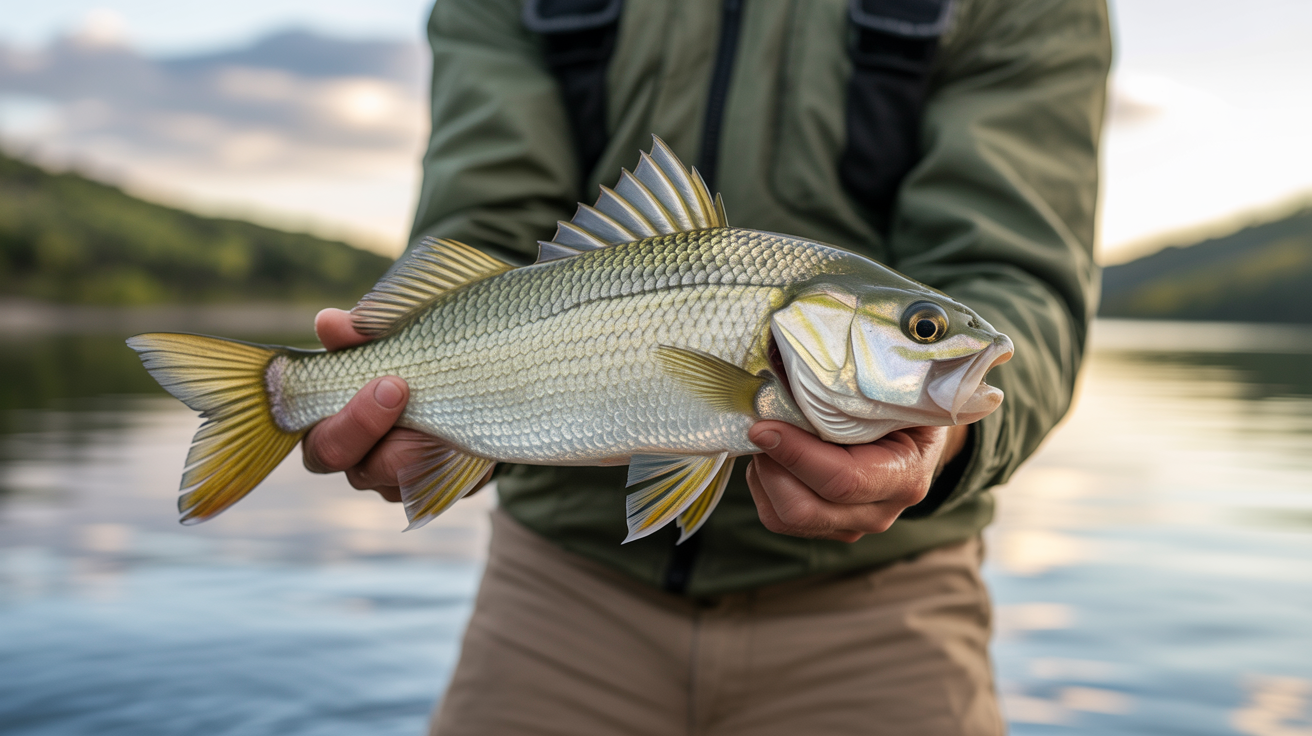
Handling a fish correctly takes about ten seconds once you know the steps, and it makes the difference between a fish that swims off strong and one that rolls over twenty feet from the boat. Whether you plan to release your catch or keep it, how you hold it from the moment it leaves the water matters.
Why Proper Fish Handling Matters
Fish are covered in a thin layer of mucus called their slime coat. This coating protects them from bacteria and parasites in the water. When you grab a fish with dry hands, a towel, or any rough surface, you scrape that coating off. The fish looks fine at first, but the damage shows up later in the form of infection.
Beyond the slime coat, fish are built for an environment without gravity pulling on their organs. When you hold a large fish vertically by the jaw without supporting its body weight, you stress the jaw, spine, and internal organs. For a small panfish or a twelve-inch trout, a quick vertical hold is fine. For a five-pound bass or anything bigger, that same grip can cause real injury.
A few other things that damage fish during handling:
- Dropping them on a dry deck, dock, or gravel bank
- Squeezing them around the midsection
- Holding them near gills or pressing against gill plates
- Keeping them out of the water while you find your phone for a photo
- Handling them with sunscreen, insect repellent, or gasoline on your hands
None of this requires special gear. It just requires slowing down for a moment before you reach for the fish.
Wet Your Hands First
This is the single most effective thing you can do. Before your hand touches the fish, dip it in the water. A wet hand transfers far less slime coat than a dry one. Takes two seconds.
If you are wading and your hands are already wet, you are set. If you are in a boat on a hot day and your hands have dried out, make a habit of dunking them before you grab the fish.
Do not use a towel to hold the fish. If you want to protect your fingers from sharp fins like those on a catfish or walleye, use a glove rated for fish contact, or learn the grip that keeps your hand clear of the spines.
How to Hold Different Species
The correct hold depends on the species and the size of the fish.
Bass (Largemouth and Smallmouth)
The vertical lip grip works well for bass up to about two pounds. Grip the lower jaw between your thumb and the inside of your bent index finger. The fish hangs straight down. Do not bend the jaw sideways or forward. Hold it steady for the photo, then lower it to the water.
For larger bass, use a two-hand hold. Grip the lower jaw the same way, but immediately bring your other hand under the fish's belly to support its weight. Hold the fish at a slight angle rather than fully vertical. This position reduces stress on the jaw and spine.
If you want to know how to hold a bass for a photo without causing injury, the rule is: support the body any time the fish weighs more than a couple of pounds.
Trout
Trout should not be lip-gripped. Their jaw is not built for it. The correct hold is a two-hand cradle: one hand under the pectoral fins just behind the head, the other supporting the body in front of the tail. Keep the fish horizontal and close to the water surface. Trout dry out quickly and tolerate air exposure poorly.
Panfish (Bluegill, Crappie, Perch)
Panfish are easy to hold but have sharp dorsal spines. Grip the fish from above with your thumb on one side of the body behind the pectoral fin and your fingers on the other side, then fold the dorsal fin back with light pressure from your thumb as you close your hand. This keeps the spine from poking you and holds the fish still for unhooking.
Catfish
Channel cats and bullheads have pectoral and dorsal spines that sting if they pierce your skin. Hold them from behind: your thumb on one side of the body just behind the pectoral spine and your index finger on the other, with the spine sitting in the web between your thumb and finger, not against it. Larger catfish should be cradled from below with both hands.
Minimizing Time Out of Water
The best measure of whether you handled a fish well is how long it spends out of the water. For most species, the target is under thirty seconds for a photo and release. For trout, aim for fifteen seconds or less.
A practical approach: unhook the fish while it is still in the water whenever possible. Hold it just under the surface, work the hook free, and let it go. Only bring the fish fully out of the water if you need a photo or a close look at the hook.
When you do lift the fish out, have your camera ready before you pull it from the water. Do not hold the fish while you hand your phone to someone and wait for them to open the camera app. Get organized first, then lift the fish.
If you want to measure a fish for the record, wet your tape measure or use a bump board set flat on the surface of the water. You can slide the fish over it and get the measurement without lifting the fish at all.
Releasing the Fish Properly
Once you are ready to release, lower the fish into the water and hold it upright in a gentle grip until it steadies itself. Do not toss it. Do not set it on the surface and let go immediately.
Point the fish into any current if you are in moving water. Current passing over the gills helps the fish recover faster. In still water, move the fish slowly forward and back with a gentle rocking motion, which moves oxygenated water through the gills.
When the fish pushes against your hand and wants to go, let it go. Some fish dart away immediately. Others hold still for a moment before they kick off. Both responses are normal. A fish that rolls onto its side and floats may need more time. Hold it upright until it rights itself.
For a deeper look at release technique, see Catch and Release: How to Do It So Fish Survive.
If You Plan to Keep the Fish
If you are keeping your catch rather than releasing it, careful handling still matters for meat quality. A fish that thrashes on a hot surface deteriorates quickly. A firm strike to the top of the head just behind the eyes stops movement immediately and is the cleanest method.
Keep the fish cold after that. A cooler with ice slows bacteria and keeps the flesh firm. For more on keeping your catch in good shape, see How to Keep Fish Fresh After You Catch Them. When you are ready to clean it, see How to Clean and Fillet a Fish: A Step-by-Step Guide for a full walkthrough.
Always check your local regulations before you keep a fish. Size limits, creel limits, and seasons vary by water body and species. Your state or province fish and wildlife agency publishes current rules on their website, and they update them regularly.
Quick Reference: Fish Handling Do's and Don'ts
| Do | Don't |
|---|---|
| Wet your hands before touching the fish | Grab with dry hands or a towel |
| Support large fish under the belly | Hold a heavy fish vertical by the jaw only |
| Unhook in the water when possible | Let the fish flop on a dry surface |
| Have your camera ready before lifting | Keep the fish out of water while you get organized |
| Hold the fish upright during release | Toss or drop the fish back into the water |
| Keep sunscreen and bug spray off your hands | Apply products right before handling a fish |
Frequently Asked Questions
Does using a net damage fish? A rubber or knotted-mesh net designed for catch and release does much less damage than a standard nylon net, which can strip slime coat and tangle fins. If you use a net, wet it before the fish enters it and keep the fish in the net with the net in the water while you remove the hook.
Can I hold a fish by the gills? No. The gills are how a fish breathes, and they are fragile. Grabbing a fish by the gills or putting your fingers inside the gill plate will tear the tissue. The only time gills come into the picture is if a fish has swallowed a hook deeply, in which case a hook removal tool is the right tool, not your fingers.
How long can a fish safely be out of water? This varies by species. Bass and most warmwater species can tolerate thirty seconds without lasting harm. Trout are more sensitive and do better with fifteen seconds or less. As a rule, shorter is always better. If you find yourself taking longer than thirty seconds, lower the fish back into the water for a moment, let it breathe, and then continue.
Does the time of year affect how I should handle fish? Yes. In hot water, fish are already under oxygen stress before you catch them. Keep summer fights short, minimize handling time, and hold the fish upright in the water for a longer recovery before release. Cold water fish generally recover faster.
What if the hook is swallowed deeply? If a fish has taken a hook into its throat or gut, cutting the line as short as possible and leaving the hook is often better for the fish than digging the hook out. Circle hooks and barbless hooks reduce deep hooksets and make removal easier. Check your local regulations, as some waters require barbless hooks.