Cleaning & Conservation
Catch and Release: How to Do It So Fish Survive
Learn the catch and release tips that actually keep fish alive — from hook choice and fighting time to wet hands, reviving technique, and deep-hook handling.
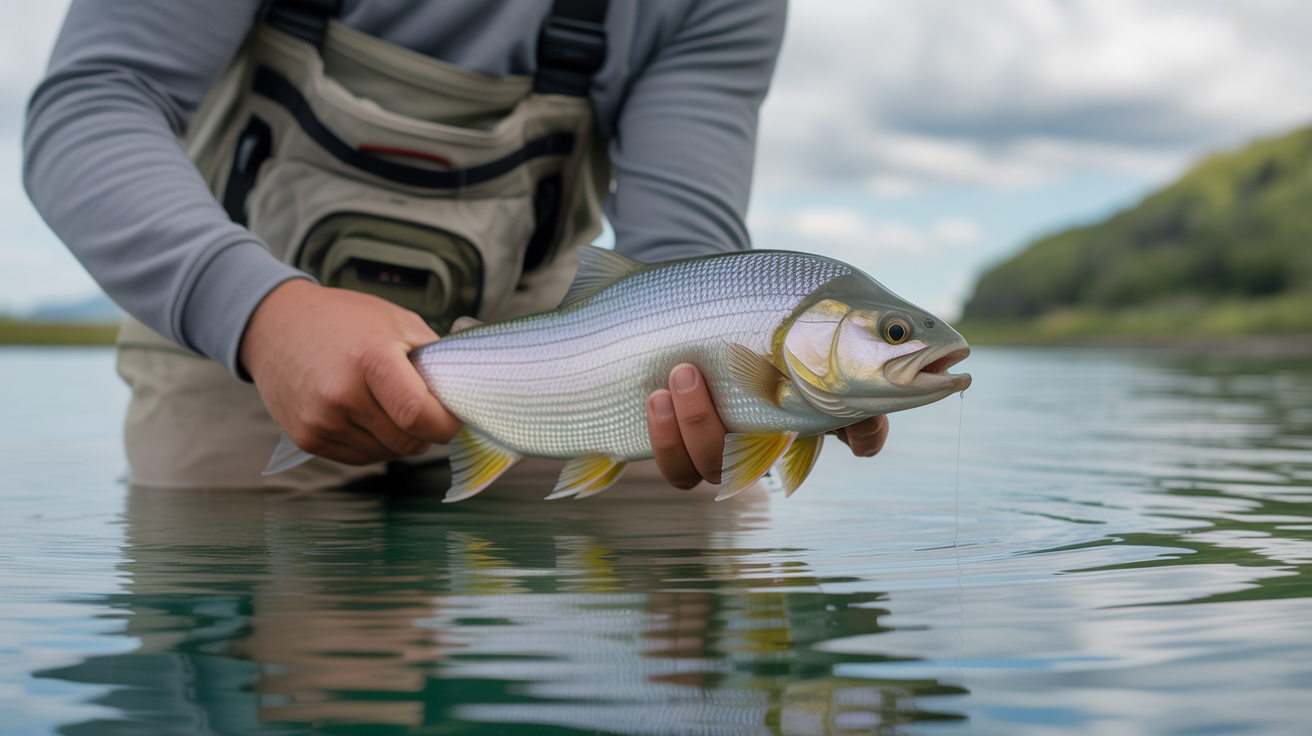
Done right, catch and release is one of the most effective conservation tools freshwater anglers have. Done carelessly, it is just delayed harvest. The difference comes down to a handful of specific habits that most beginners never get taught. This guide covers all of them.
Why the Details Matter
A fish out of water is suffocating. Its gills need water flowing over them continuously, and the moment you lift it into the air, that process stops. Most sport fish can tolerate 15 to 30 seconds of air exposure without serious harm. Push past 60 seconds, and survival rates drop sharply, studies on various species have found post-release mortality roughly doubles after prolonged handling.
The other hidden killer is the slime coat. That mucus layer protects fish from bacteria, parasites, and osmotic stress. Dry hands, rough gloves, or dragging a fish across a gravel bank strip it away in seconds. The fish swims off looking fine, then dies two days later from infection.
These are not abstractions. They are the reason every step below exists.
Gear Choices That Make Release Easier
Barbless Hooks and Pinched Barbs
A barb exists to prevent a hook from sliding back out. It does that job well, and it also turns a routine unhook into a five-minute ordeal that leaves a fish exhausted on the bank. Pinching the barb flat with needle-nose pliers takes three seconds and costs you almost nothing in landed fish, the barb contributes far less to hook retention than bend geometry and consistent pressure do.
Many waters require barbless hooks by regulation. Even where they do not, using them is a straightforward way to reduce handling time. Check fishing regulations, limits, and seasons for your specific water before you go, because the rules vary more than most anglers expect.
Circle Hooks for Live Bait
Circle hooks rotate into the corner of the jaw as the fish runs, which keeps them almost entirely out of the gut. Gut hooks are the single biggest cause of catch-and-release mortality in bait fishing. If you are soaking a worm under a bobber for bluegill or using cut bait for catfish, switching to a circle hook removes most of the deep-hook problem before it starts. Do not set the hook with a sharp upward snap, just reel tight and let the circle do its job.
Tools Worth Keeping in Your Kit
A pair of long-nose pliers or hemostats handles most unhooking jobs without you ever needing to put fingers near the hook. A dehooking tool (a thin J-shaped bar) works well for circle hooks seated deep in the corner of the jaw. A rubberized or knotless mesh landing net keeps the slime coat intact far better than nylon mesh or your bare hands. These are not expensive items and they pay dividends on every release.
Fighting Fish Quickly
Landing a fish fast is not just satisfying, it is better for the fish. A bass or trout that spends eight minutes being played on ultra-light line is burning through glycogen reserves and building up lactic acid in its muscles. That physiological stress takes hours to recover from and leaves the fish vulnerable to predators even after it swims away.
Match your tackle to your target. Using 4-pound mono for fish that will average 3 pounds is asking for long fights and tired fish. Heavier line and appropriate rod power let you control the fight and end it on your terms. There is a common misconception that light tackle is more sporting, it is harder to use, but it is not kinder to the fish.
Handling the Fish
Wet Your Hands First
Wet hands before you touch the fish. This one step preserves more of the slime coat than anything else. Dry skin is absorbent; a quick dip in the water before you reach for the fish makes a real difference.
Keep It Horizontal
A bass or walleye has most of its body weight supported by the water column in normal life. When you hold a large fish vertically by the jaw, all of that weight hangs from the jaw joint, which is not built for it. For small fish, a lip grip is fine. For anything over a pound, support the body horizontally with your other hand under the belly. You can see this done correctly in photos of tournament anglers: two-hand holds, fish parallel to the ground.
Do not squeeze the midsection. Internal organs can be damaged by hard gripping, and you do not need a tight grip anyway, a calm fish held properly is not going anywhere.
Minimize Air Exposure
Set a personal rule: if the fish is out of the water, you are working with purpose. Find the hook, remove it, take the photo, lower it back. If something goes wrong or the hook is difficult, submerge the fish for 10 to 15 seconds, let it breathe, then try again. Repeated short exposures are easier on the fish than one long one.
Hot weather compounds everything. Air temperature above 85°F stresses cold-water species like trout even briefly out of the water. On a hot summer day, a brown trout may struggle to recover from what would be routine handling in April.
Removing the Hook
For most hook sets in the lip or corner of the mouth, pliers or hemostats make short work of it. Grip the bend of the hook, rotate it back the direction it came in, and it slides free. Pinching the barb beforehand means this almost never requires force.
Deep-Hook Situations
When a fish swallows the hook, especially on bait rigs, you have two options. If the hook is visible and accessible, use long-nose pliers or a dehooking tool to back it out without pulling upward on the line. If the hook is deep in the throat or stomach, cut the line as close to the hook as possible and release the fish. A hook left in place will usually dissolve or work free within weeks; the attempt to remove it would cause far more damage than leaving it.
This is the correct answer even though it feels wrong. The fish has a better chance with the hook in place than with you digging around in its throat.
Reviving Before You Let Go
A fish that rolls belly-up the moment you open your hand is not ready for release. It needs time in the water with water moving across its gills before it can maintain equilibrium on its own.
Hold the fish gently upright in the water, facing into any current. If you are in still water, move the fish slowly forward and backward, not in tight circles, which stresses the fish without delivering water flow. You are waiting for the fish to grip your hand with its fins and push off. When it wants to go, it will tell you. Let it.
In strong current, find a calm eddy behind a rock or along the bank. A fish fighting current while it is still in recovery is burning the energy it needs to stabilize.
Some fish, particularly those caught in deep water, may have barotrauma, a swim bladder expanded from the pressure change. These fish float at the surface and cannot swim down. Fizzing (puncturing the bladder with a needle) is a technique used in tournament fishing for this, but it requires practice and the right tool. For most casual anglers in freshwater, the better answer is to avoid keeping deep fish out of the water entirely and to lower them back down slowly.
Do's and Don'ts at a Glance
Do:
- Wet your hands before touching any fish
- Use barbless hooks or pinch the barb before you fish
- Carry pliers or hemostats on every outing
- Support large fish horizontally with two hands
- Time your release, wait until the fish pushes off on its own
- Fight fish on gear heavy enough to end the fight quickly
Don't:
- Hold a fish vertically by the jaw unless it is a small panfish
- Lay a fish on a hot, dry surface (rocks, the bottom of a boat, the bank)
- Try to remove a deeply swallowed hook, cut the line instead
- Assume a fish is fine because it swam away immediately
- Handle fish with dry or rough gloves
- Keep fish in a warm livewell for hours if you plan to release them
Temperature and Water Quality
Cold-water species are especially sensitive. Trout, in particular, are stressed by water temperatures above 65 to 68°F. Releasing a trout into a river running 72°F in August is not catch and release, it is a delayed kill. Watch water temperatures during summer. If your thermometer reads high, consider targeting warm-water species like bass or panfish instead, or fish early in the morning when temperatures are coolest.
If you want to keep fish for the table instead of releasing them, that is a perfectly reasonable choice, and doing it well is its own skill. See how to keep fish fresh after you catch them and how to clean and fillet a fish for guidance on that side of fishing.
FAQ
Do fish actually survive catch and release?
Yes, with good technique. Survival rates for catch and release vary by species and conditions, but bass and panfish handled carefully in moderate temperatures typically survive at very high rates. Trout are more sensitive. The single biggest variable is handling time, fish released quickly with minimal air exposure have far better outcomes than those that spent time on the bank.
How long can a fish be out of water during catch and release?
As a practical rule, keep it under 30 seconds whenever possible. Some fish tolerate 60 seconds without lasting harm; others do not. Rather than pushing a limit, develop the habit of working quickly. Wet hands, pinched barbs, and pliers ready before the fish comes up all shave time off the process.
Is catch and release required on certain waters?
Yes. Many trophy fisheries, catch-and-release-only streams, and specific zones require all fish to be released. Others have slot limits where fish of certain sizes must be released. Always check current regulations before fishing new water. Rules change seasonally and by species.
What hook type is best for catch and release fishing?
Barbless single hooks cause the least injury and are fastest to remove. If you are bait fishing and worried about gut hooks, circle hooks are a strong choice, they almost always seat in the corner of the jaw rather than the throat. J-hooks with live bait and a short line allow too much time for the fish to swallow the bait, which is where most of the mortality comes from in bait angling.
Can a fish recover after being caught multiple times?
Fish that are caught repeatedly from the same water do appear to become more cautious over time, which suggests they survive initial capture. Whether repeated catches cause cumulative stress depends heavily on handling quality. Fish from heavily pressured catch-and-release waters often show excellent condition when sampled, a sign that the practice works when done correctly.