Species Guides
How to Catch Northern Pike
Learn how to catch northern pike with this beginner guide covering where pike hold, which lures work, wire leader setup, and safe handling of those teeth.
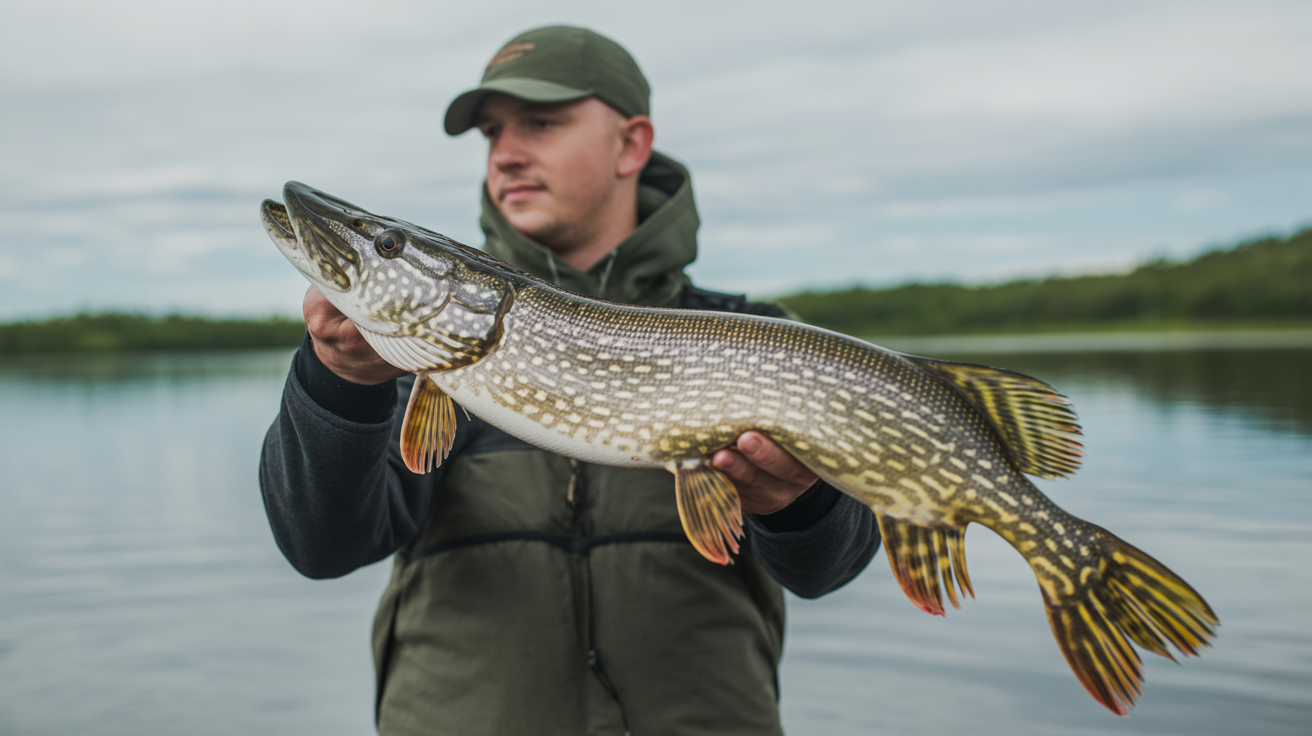
Pike are one of the most approachable large predators in freshwater fishing. Find the right weeds, tie on a big lure with a wire leader, and you will get strikes from fish that grow well over 20 pounds in many lakes across the northern United States and Canada.
Understanding Pike: Where They Live and How They Hunt
Northern pike are ambush predators. They sit motionless in or near heavy cover and explode on prey that comes within range. That behavior tells you everything you need to know about where to look for them.
Weedy bays and shallow flats are the most productive water in spring and early summer. Pike move into the shallows as water temperatures rise, often arriving before bass do. Cabbage weeds, lily pads, and reed beds are all worth fishing. The fish hold tight to the inside edges of the vegetation and will slash out at a lure passing through a gap or along the outer edge.
As summer heats up, pike in many lakes push deeper or slide toward cooler inlets and tributaries. They are cold-water fish by preference, and if a lake warms significantly across the surface they can become sluggish in the heat of the day. Early morning and late afternoon fishing tends to be more productive in summer.
In fall, pike become aggressive again as water temperatures drop. They are actively feeding and building reserves before winter, which makes autumn one of the best seasons to target them.
Read the shoreline structure. Points that jut into a weedy bay, the edge where a flat drops into deeper water, and any fallen timber near vegetation are all worth extra casts. Pike use those transition zones as highways.
Pike Gear: Rod, Reel, Line, and Leader
You cannot use the same light setup you would throw for panfish or trout. Pike are strong, have razor-sharp teeth, and will cut through standard monofilament and light fluorocarbon as if it were thread. Build your rig accordingly.
| Component | Recommendation |
|---|---|
| Rod | 7 to 7.5 foot medium-heavy or heavy action |
| Reel | Baitcaster or heavy spinning reel |
| Mainline | 20 to 30 lb braided line |
| Leader | Single-strand wire or 60 to 80 lb fluorocarbon, 12 to 18 inches |
| Terminal | Heavy-duty snap or swivel rated for the line |
The leader is not optional. A pike's teeth are dense and arranged to face backward, designed to grip prey and prevent escape. Even a large pike that inhales a lure deep will shred 17 lb fluorocarbon in seconds. Use a ready-made steel wire leader or tie your own with single-strand wire and crimp sleeves. Some anglers use very heavy fluorocarbon (60 to 80 lb) as a compromise between bite resistance and lure action, but single-strand wire is the safest choice when you know pike are present.
A medium-heavy rod in the 7 to 7.5 foot range gives you the backbone to drive hooks into a hard jaw while still loading enough to cast large lures a reasonable distance. Pair it with a baitcaster for larger lures or a heavy spinning reel if you prefer spinning tackle.
For a comparison with lighter bass setups, see our guide to how to catch largemouth bass.
Best Lures for Pike
Pike respond to size and flash more than to subtle presentations. Big lures are not overkill here; they are often exactly right.
Spoons
Large casting spoons in the half-ounce to one and a half ounce range are a classic pike lure for good reason. The wobbling flash imitates a wounded baitfish, and you can fish them at a range of depths simply by adjusting your retrieve speed. Brighter finishes like silver, gold, and chartreuse tend to work well in stained water. More natural finishes can work in clear water, but pike are generally not fussy about color.
Spinnerbaits
A large spinnerbait with a willow-leaf blade in the three-quarter ounce or heavier range is a good choice for fishing weed edges and pockets. The blade provides flash and vibration, and the wire frame resists snags better than treble-hook lures. Use a steady retrieve and vary the speed until you find what works on a given day.
Swimbaits
Paddle-tail swimbaits in the five-to-eight-inch range have become a go-to for pike. Rig them on a heavy jighead (one-half to one ounce depending on depth) or a weighted swimbait hook. Retrieve them at a moderate pace just above the weed tops or along the bottom in open pockets. Larger profile lures draw fewer strikes from small pike and tend to sort for bigger fish.
Topwater Lures
Walk-the-dog style topwater lures and large prop baits produce spectacular strikes in shallow weedy water, particularly in early morning or on overcast days in the warmer months. Pike hits on top can be violent and startling, and they are a genuine highlight of freshwater fishing. If you are wading or fishing from shore in shallow water with good weed cover nearby, a topwater pass before switching to subsurface lures is worth doing.
Fishing Techniques That Work for Pike
Cast parallel to weed edges. A lure that runs alongside the weed edge for most of its retrieve gives any pike holding in that cover a long look. Casting directly into the weeds and ripping the lure out gives the fish only a split second to react. Work the edge patiently.
Vary your retrieve speed. Start with a moderate steady retrieve and note whether any fish follows without striking. A sudden burst of speed, a brief pause, or a direction change can trigger a strike from a following fish.
Do the figure-8. When a pike follows your lure to the rod tip without striking, drop the rod tip into the water and sweep the lure through a large figure-8 pattern at the side of the boat. Pike will sometimes commit at the last instant, especially when the lure accelerates through the curve. Keep the rod moving, maintain tension, and be ready.
Target different depths as the season changes. Spring and fall pike fishing tends to be shallow. Mid-summer often requires fishing deeper weed lines or cooler water near inlets. Adjust your lure selection and retrieve accordingly.
If you also fish smallmouth bass in the same lakes, you may find that the rocky points and gravel flats smallmouth prefer are adjacent to the weedier bays where pike hold. You can cover both species on the same trip with a lure swap and a leader change.
Handling Pike Safely
Pike teeth are not a joke. A fish that thrashes on deck or in your hands can inflict a serious cut. A little preparation prevents most injuries.
What to bring:
- Long-nose pliers (8 to 10 inch) for hook removal
- A jaw spreader to hold the mouth open while you remove hooks
- A fish grip or wet cotton glove for larger fish
- A net sized for the fish you expect to catch
Landing the fish. Net pike headfirst. Once the fish is netted, keep it in the water until you are ready to handle it.
Holding and releasing. The safest hold is vertical, gripping firmly just behind the gill plates with one hand and supporting the body with the other. Do not put your fingers in the gill rakers. Use a jaw spreader to open the mouth safely for hook removal. Use long-nose pliers to back out the hooks. If a hook is deeply embedded, use wire cutters to cut the hook shank and remove the pieces separately.
To release, lower the fish to the water in a horizontal position and hold it gently until it kicks free.
For context on how to catch trout in lakes and streams, handling is considerably more gentle since trout have no teeth to worry about. Pike handling is its own skill worth practicing.
Check Your Local Regulations
Northern pike regulations vary widely. Some states and provinces have slot limits protecting larger fish. Minimum size limits and bag limits differ by water body. In some waters, pike are managed as a trophy fishery; in others they are considered abundant. Check the current regulations with your state or provincial fish and wildlife agency before you fish, and confirm whether any special rules apply to the specific body of water you plan to target.
Frequently Asked Questions
Do I really need a wire leader for pike? Yes. Pike teeth will cut through standard monofilament and light fluorocarbon quickly, especially if the fish is hooked deep or thrashing. Use a single-strand wire leader or heavy fluorocarbon of at least 60 lb test. The few seconds of extra rigging time is worth it.
What size lures should a beginner use for pike? Start with lures in the four-to-six-inch range or spoons in the half-ounce to one-ounce class. These are large enough to attract pike but not so bulky that casting becomes difficult on standard pike gear. You can move up in size as you get comfortable with the tackle.
When is the best time to fish for northern pike? Spring and fall are generally the most productive seasons. Pike are active in cool water and feed aggressively before and after spawning in spring, and again in fall before winter. Summer fishing is possible but often improves early and late in the day when water temperatures are lower.
Can I catch pike from shore? Yes, shore fishing for pike is very practical. Focus on weedy bays, points, and any visible weed edges within casting range. Spoons and spinnerbaits cast well and cover water efficiently. A longer rod (7 to 7.5 feet) helps reach the weed edge from the bank.
Are northern pike good to eat? Pike are edible and considered good table fare in many parts of their range. The main challenge is the Y-bones, which require either a specific filleting technique to remove or are usually avoided by cutting around them. Smaller pike (under 24 inches) tend to be easier to fillet cleanly. Check local advisories for any consumption guidelines before keeping fish.