Techniques & Tactics
Fishing the Seasons: Spring, Summer, Fall, and Winter Patterns
Learn seasonal fishing patterns for beginners: where fish go each season, which techniques work, and how to catch more fish year-round.
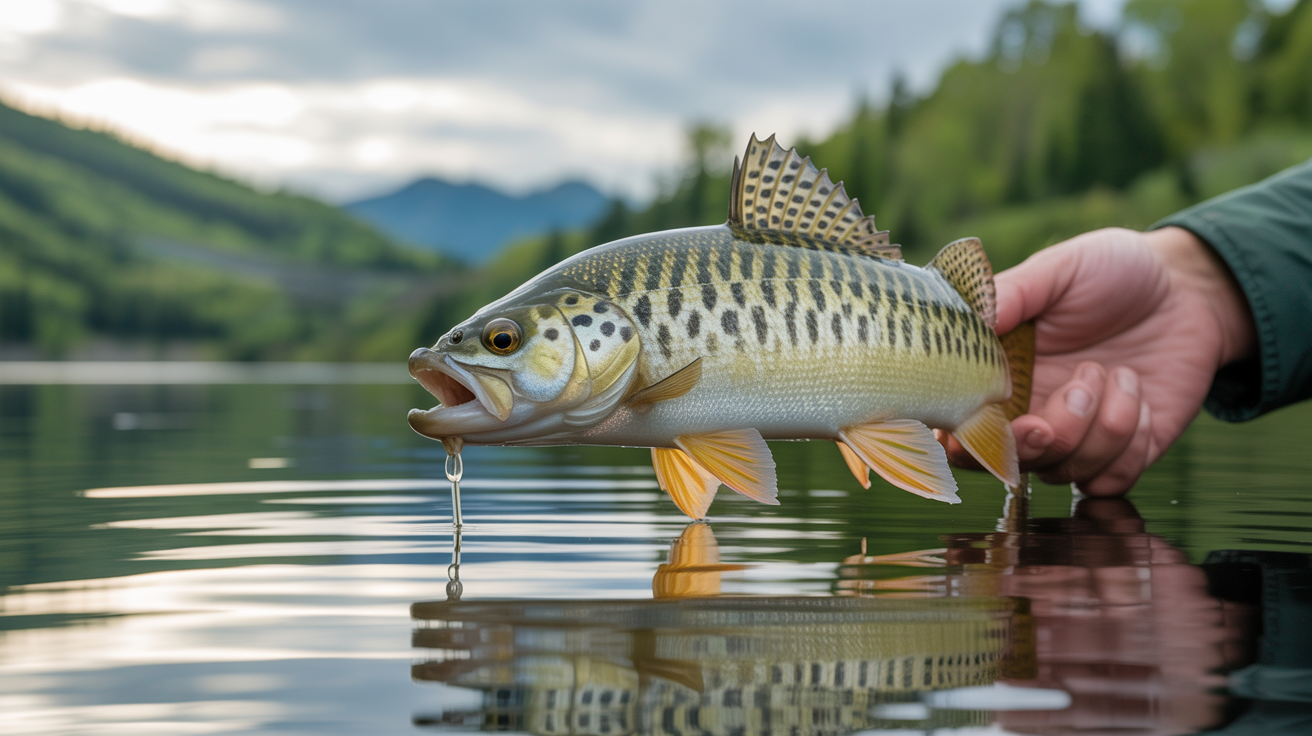
Fish behave differently in spring, summer, fall, and winter because water temperature drives almost every decision they make. Once you understand those temperature cues, seasonal fishing patterns start to make sense and you can show up to the water with a plan instead of a guess.
Why Water Temperature Is the Master Switch
Fish are cold-blooded, so their metabolism speeds up or slows down with the surrounding water. When the water is cold, fish burn fewer calories and eat less. When it warms into a comfortable range for a given species, feeding picks up and fish become far more catchable.
A simple waterproof thermometer is one of the most useful tools a beginner can own. Before you rig up, stick it in the water near shore. That one reading tells you more about what to expect than most fishing apps.
General temperature ranges worth knowing:
| Species | Active Feeding Range | Peak Spawning Temp |
|---|---|---|
| Largemouth bass | 60-80°F | 62-68°F |
| Bluegill | 65-80°F | 68-75°F |
| Trout (most species) | 45-65°F | 40-50°F |
| Channel catfish | 65-85°F | 70-80°F |
| Crappie | 58-72°F | 62-68°F |
These are ranges, not guarantees. Local conditions, barometric pressure, and time of day all play a role.
Spring: The Most Reliable Window of the Year
Spring is often the best season for beginner freshwater anglers. Water temperatures climb out of winter lows, and fish that have been sluggish for months start moving toward shore to feed and spawn.
What Fish Are Doing
As water temps rise from the mid-40s into the 50s and 60s, bass, crappie, and bluegill push into shallow water. They are pre-spawn and actively building energy reserves, which means they feed aggressively. Trout, which prefer colder water, are often at their most active in early spring before temperatures climb too high.
Spawning follows shortly after. Bass fan out beds in gravel or sandy shallows, usually in 2 to 6 feet of water with some sun exposure. Bluegill create large spawning colonies in similar areas. Understanding structure and cover helps you find these spots faster because fish use the same kinds of areas year after year.
Spring Tactics
- Work shallow flats near deeper water. Fish stage in deeper water, then move shallow to feed. Points and transitions from soft mud to hard bottom are magnets.
- Slow down in cold water. Early spring water is still cold. A slower retrieve with a plastic worm or lightly weighted jig often outproduces fast-moving lures.
- Morning is productive but afternoons can be better. Afternoon sun warms the shallows a few degrees, and fish often move in to take advantage of the warmth. See the best time of day to fish for how to make the most of each season's light windows.
- Match the hatch for trout. If you see insects on the water's surface in spring, trout are likely looking up. A small fly or inline spinner near the surface can produce well.
Summer: Find the Cool Water and You Find the Fish
Warm water holds less dissolved oxygen, which is one reason summer fishing can frustrate beginners. Fish that were easy to locate in the shallows a few weeks earlier have moved. Knowing where they went makes all the difference.
Where Do Fish Go in Summer?
Largemouth bass, bluegill, and catfish look for three things during hot months: shade, deeper water, and current or inflow that brings cooler, oxygenated water. Common holding spots include:
- Deeper structure. Bass that were feeding in 3 feet of water in May may spend midday in 12 to 18 feet by July. They still come shallow to feed, but mostly during low-light periods.
- Docks and overhanging trees. Both provide shade and attract baitfish. Position your cast to land parallel to a dock rather than just lobbing toward it.
- Creek channel edges. In reservoirs, the old stream channel running through the lake bottom often holds fish all summer because it offers depth and a mild current pull.
- Inflows. Anywhere a tributary or drainage enters a lake brings cooler water and oxygen. Fish stack up near these spots, especially after summer rains.
Catfish handle warmer water than most species and feed actively on summer nights. Cut bait fished near the bottom in deeper holes is a reliable after-dark strategy.
Learning to read water is what separates anglers who catch fish in summer from those who give up and wait for fall. The skills transfer across every season.
Summer Tactics
- Fish early and late. The two hours after sunrise and the two hours before dark are the most reliable windows all summer. Midday fishing in hot water is generally slow.
- Drop your lure deeper. If your go-to retrieve at 3 feet is not getting strikes, try the same presentation at 8 or 12 feet.
- Scale down your bait. Fish in warm, clear water often become line-shy and pick up smaller presentations more readily.
- Stay hydrated and protect yourself from sun and heat. Long summer days on the water can be tiring in ways that cool spring days are not.
Fall: Feeding Frenzy Before the Cold
Fall is a close second to spring in terms of opportunity. As water temperatures drop from summer highs back into the 60s and 50s, fish go on a pre-winter feeding binge. They are building fat reserves for the long cold months ahead, and they are less selective than at almost any other time of year.
Fall Fishing Tips
Bass, crappie, and bluegill follow schools of baitfish that are themselves following the cooling water toward shallows and points. Watch for shad or other small fish dimpling the surface, and cast into or just past that activity.
Key fall patterns:
- Work points and flats again. Fish reverse their summer migration and return to shallow areas. Points that jut into the lake concentrate baitfish and predators together.
- Speed up your retrieve. Cooling water triggers active feeding and fish will chase faster-moving lures that they ignored in summer.
- Pay attention to wind. Wind pushes surface water and baitfish to windward banks. Fishing the downwind end of a cove or the windward shoreline often pays off.
- Topwater action returns. Bass feeding on surface-oriented baitfish will hit topwater lures in fall, sometimes all day long instead of just at dawn and dusk.
- Trout fishing improves. In rivers and tailwaters, fall is excellent for trout as water temperatures drop back into their preferred range. October and November can be some of the best trout months in many regions.
One caution: fall transitions can be fast. A lake can drop ten degrees in a week after a cold front. Give it a day or two before expecting the bite to recover fully.
Winter: Slow Down Everything
Winter fishing is often described as slow and difficult, but that is partly because anglers fish winter the same way they fish summer. The fish are still there. They are just doing less, and you need to match that pace.
Winter Fishing for Beginners
Most freshwater fish in cold climates retreat to the deepest available water once temperatures drop below 50°F. They school tightly in predictable spots and stay there until spring. The feeding windows are shorter, but when they do feed, they feed in place rather than chasing prey across open water.
Effective winter strategies:
- Fish slow and fish deep. A jig or drop shot worked at a crawl in 15 to 30 feet of water near a channel edge or submerged point covers both location and presentation needs.
- Downsize your baits. A 2-inch finesse worm or a small grub will outperform a larger presentation in cold water because fish expend less energy to eat it.
- Stay in your spot longer. Winter fish often need multiple passes or a longer soak before they commit. Moving every five minutes works against you.
- Target midday when the sun is out. Solar heating raises shallow water temps a few degrees by early afternoon, and fish may shift slightly shallower during those windows.
- Panfish are often the best winter target for beginners. Crappie and bluegill school heavily in winter and can be caught on small jigs under a bobber in deeper water near brush piles or dock pilings.
Frequently Asked Questions
Can I catch bass in winter? Yes, though it takes patience. Largemouth bass slow down significantly but do not stop eating. Target deep structure like channel bends and submerged humps with slow-moving finesse presentations. Early afternoon on sunny days in winter tends to produce the most consistent action.
Where do fish go in summer when the water gets too warm? They seek depth, shade, and current. In lakes, look for them near the old creek or river channel that runs through the lake floor, along steep rocky banks that drop quickly into deeper water, and near any inflow of cooler water. They also feed in the shallows during low-light hours even in summer.
Is fall really the best time to catch big bass? Many experienced anglers would argue yes. Fall bass are feeding heavily to build reserves and are less selective than in summer. They follow baitfish into shallower areas, which makes them more accessible. October is often considered a peak month in much of the country.
Do I need different tackle for each season? Not necessarily different tackle, but different approaches with what you have. A jig, for example, fished fast near the surface in fall and the same jig fished slowly along the bottom in winter can both produce well. Adjusting speed, depth, and retrieve style matters more than owning four separate seasonal setups.
Should I check regulations before fishing in a new season? Yes, always. Many states change size limits, creel limits, or open seasons on a species-by-species basis. Some species have closed seasons during spawning to protect populations. Your state or provincial fish and wildlife agency website is the most reliable source for current rules before each new season.