Techniques & Tactics
Bank Fishing Tips: How to Catch More From Shore
Practical bank fishing tips for beginners: how to find access, read the shoreline, fan-cast, stay mobile, and catch more fish without a boat.
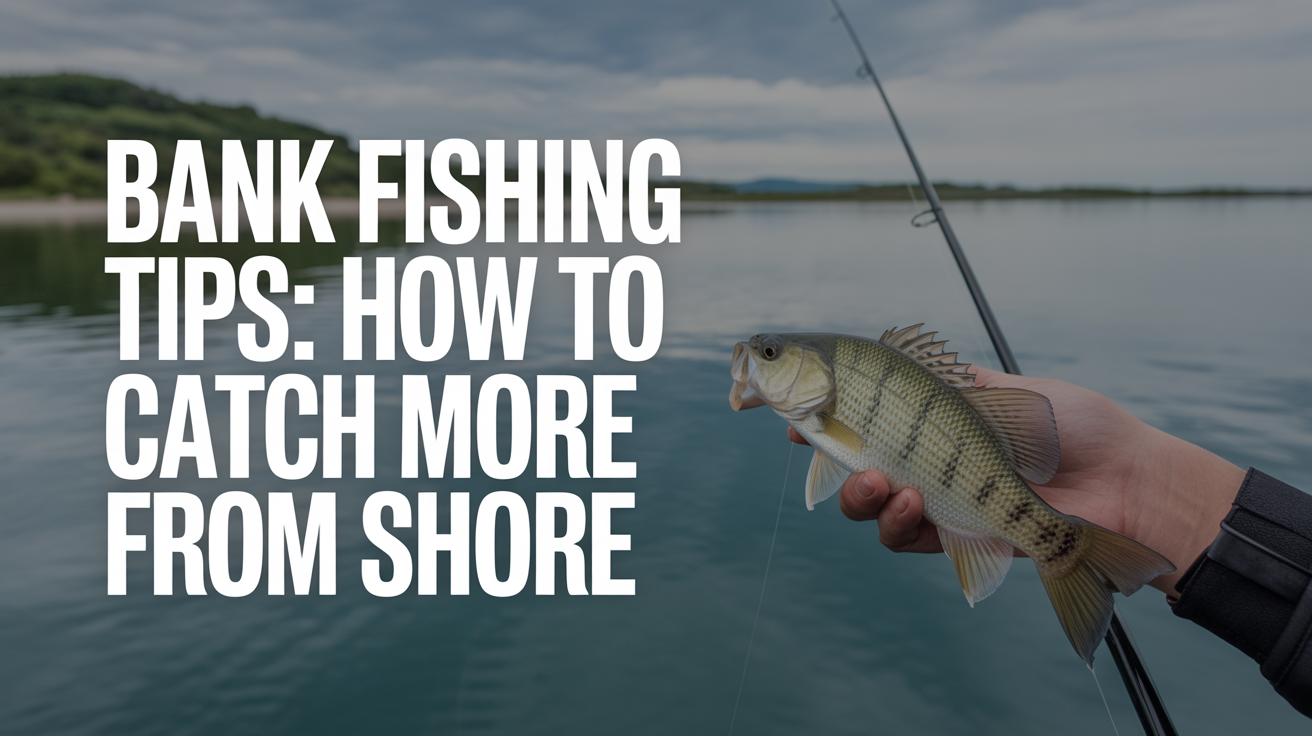
Bank fishing puts you within reach of most of the same spots a boat angler can hit, without the launch fee or the trailer. The key is working the water you have access to in a deliberate way rather than just casting to the middle of nowhere and waiting.
Finding Legal Bank Access
Before you drive to a spot, confirm you can legally fish there. "Public water" does not always mean public bank access. The shoreline might be private even when the lake itself is open.
Where to look for legitimate access:
- State and county parks with designated fishing areas
- Army Corps of Engineers lakes and reservoirs (usually extensive shore access)
- Wildlife management areas (WMAs) -- check the WMA's specific rules
- City or county fishing piers and boat ramps (the area around a ramp is usually open to bank anglers)
- Canals and drainage channels managed by water districts (some are open, some are not)
Your state fish and wildlife agency website is the right starting point. Many states publish maps of public fishing access points by county. When in doubt, call the regional office. Fishing on private property without permission is trespassing and can result in fines, so it is worth the five-minute phone call.
Once you have a list of spots, check satellite imagery to identify which stretches of bank look fishable before you make the drive.
Reading the Shoreline for Fish
The bank is not a uniform strip of water. Fish relate to structure, cover, and depth changes, and you can read most of that from the bank if you know what to look for.
Features that consistently hold fish:
- Points. A piece of land that juts into the water creates a depth change on both sides and concentrates baitfish. Cast along both edges of a point, not just straight out from the tip.
- Inflows. Any spot where water enters -- a small creek, a culvert, a drainage pipe -- brings oxygen and food. Bass, panfish, and catfish stack near inflows, especially during warm weather.
- Fallen trees and woody debris. A downed tree in the water is cover. Fish sit in the shadow and wait for prey to come to them. Cast parallel to the trunk, not just into the canopy.
- Weed lines. The outer edge of a weed or lily pad bed is a transition zone where fish hunt. Work the edge rather than trying to fish through the vegetation.
- Depth changes visible from shore. A color change in the water, a drop in the bank profile, or a gravel bar extending into the lake all signal a bottom contour change.
For a deeper look at what separates structure from cover and why both matter, read Fishing Structure and Cover: What They Are and Why They Matter. And for a systematic approach to reading any body of water, How to Read Water: Finding Where Fish Hold breaks down the process step by step.
Fan-Casting to Cover More Water
One of the most common mistakes bank anglers make is casting to the same spot repeatedly. If there were a fish at that exact point and it did not bite the first or second cast, it is either spooked or not interested. Covering water is more productive than repetition.
Fan-casting means working through a clock-face arc from your position rather than casting straight out. Start by casting at roughly 10 o'clock, retrieve, then cast to 11, retrieve, then 12, and so on out to 2 o'clock. This lets you systematically cover every angle without moving your feet.
After you fan-cast one position, move 20 to 30 feet down the bank and repeat. Keep moving until you get a bite, then slow down and work that area more thoroughly.
Tips for getting more distance from the bank:
- Use lighter line (6 to 10 lb monofilament or fluorocarbon casts further than 17 lb line)
- Load the rod fully on the backcast before you power forward
- Keep your lure or rig light -- heavier does not always mean further, and a lure that is too heavy for your rod loads it poorly
- Check your guides for nicks that fray line and kill distance
Longer casts reach water that receives less pressure from shore anglers, which can matter on heavily fished public access spots.
Staying Mobile and Keeping a Low Profile
Bank anglers who stay put all day rarely outfish anglers who keep moving. On most lakes and rivers, fish are not spread evenly. They gather in predictable spots at predictable times, and the angler who covers ground finds those pockets.
Pack light so moving is easy. A small backpack or a sling pack with your tackle organized by type lets you pick up and walk without unpacking and repacking a full gear spread.
What to bring (and what to leave behind):
| Bring | Leave Behind |
|---|---|
| One rod rigged and ready, one backup | Full rod locker's worth of rods |
| Small tackle tray with 10-15 proven lures | Giant tackle box with everything you own |
| Needle-nose pliers and hook remover | Nothing -- these are non-negotiable |
| Sunscreen and a hat | |
| Water and a snack for longer sessions | |
| Your fishing license (digital or paper) |
Low profile matters more than most beginners expect. Fish in clear, shallow water near the bank can see you. A heavy footfall on a dock, a shadow cast over a shallow weed bed, or a bright shirt on a sunny day can move fish out of casting range before you throw your first cast.
Approach the bank slowly and quietly. Crouch or kneel near clear, shallow areas. Avoid casting your shadow directly over the spot you want to fish. These habits make a real difference on pressured water.
Safe Footing and Hazards to Watch For
Bank fishing often means uneven terrain, wet rocks, steep drop-offs, and brush. A few habits prevent most accidents.
- Test each step on rocks and mud before committing your weight. Algae-covered rocks near waterlines are slippery even when they look dry.
- Know where your bank edge is. Undercut banks and soft mud near waterlines can give way without warning.
- Wear shoes with grip. Sandals and bare feet on rocky banks are a reliable way to end a fishing trip early.
- Keep hooks capped or in a box until you are ready to tie on. Setting a box or bag down with an open hook can mean stepping on it later.
- If you are fishing near a river or any current, stay away from water moving faster than you can safely wade. Even knee-deep fast water can knock an adult off their feet.
When the best time of day to fish aligns with low-light conditions like dawn or dusk, bank fishing in unfamiliar spots gets riskier. Bring a headlamp for any session that extends into dark.
Bank Fishing Gear: A Practical Short List
You do not need specialized gear to fish from the bank, but a few choices make it easier.
A medium-power spinning rod in the 6 to 7 foot range handles most bank fishing situations. Pair it with a 2500 to 3000 size spinning reel and 8 to 10 lb monofilament or fluorocarbon. That setup casts far enough to reach fish, handles bass and catfish without issue, and does not require much skill to use.
For lures, versatile options beat highly specialized ones when you are fishing new water:
- Rooster tail or inline spinner (effective on nearly every freshwater species)
- 1/4 oz jig head with a soft plastic paddle tail
- Weightless or lightly weighted wacky-rigged stick worm
- Small crankbait in a shad or crawfish color
- Bobber and live bait (nightcrawlers or waxworms) for panfish
Each of these works in a wide range of conditions without requiring precise technique to get bites.
Frequently Asked Questions
Do I need a fishing license to fish from the bank?
Yes, in virtually every US state and Canadian province, a valid fishing license is required regardless of whether you are on a boat or the bank. Most states also require a trout stamp if you are targeting trout. Check your state fish and wildlife agency for current license requirements, fees, and exceptions (some states have free or reduced-cost licenses for youth, seniors, or residents with certain disabilities).
What is the best time to bank fish?
Early morning and the hour or two before dark are the most productive windows on most lakes. Fish move shallower and closer to shore during low-light periods to feed. That works in your favor as a bank angler. Midday fishing is slower in summer but can be productive on overcast days or in rivers with current.
Can I catch big fish from the bank?
Yes. Many large bass, catfish, and carp are caught from the bank every year. Fishing near structure after dark, using live bait or larger lures, and targeting deeper water adjacent to the bank (a steep drop right at the shoreline, for example) all increase your chances at larger fish.
How do I handle muddy or steep banks?
Bring a wading staff or a sturdy stick for steep spots. Look for natural entry points like gravel bars or flat sections rather than trying to force your way through brush or down a vertical drop. If the bank is too steep or unstable to fish safely, move to a better access point.
Is bank fishing good for beginners?
It is one of the best starting points. There is no boat handling to learn, no launching to coordinate, and the cost to get started is low. Many skilled anglers fish exclusively from the bank by preference. The skills you develop reading water, presenting lures, and staying mobile from shore transfer directly to boat fishing if you ever go that route.