Getting Started
Live Bait vs. Lures: What Beginners Should Start With
Choosing between live bait and lures as a beginner? Here's a plain breakdown of both options so you can pick the right one for your first fishing trips.
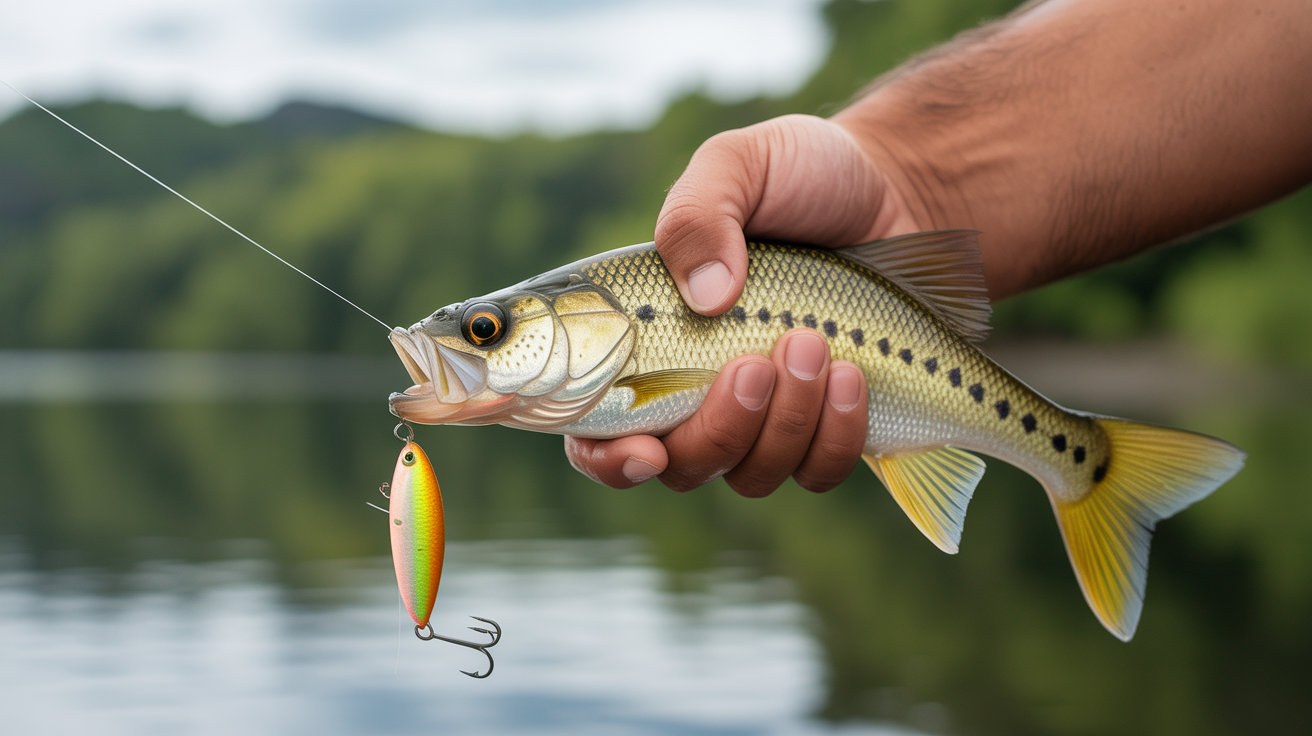
For most beginners, live bait is the easier, more reliable starting point. It works, it's cheap, and fish recognize it immediately. Lures are worth learning too, but they take more practice to use effectively.
Why Live Bait Works Well for Beginners
Live bait catches fish because it looks, smells, and moves exactly like real food. You don't have to do much to make it appealing. Drop a worm under a bobber, let it sit, and wait. That's a complete fishing method that produces real results on day one.
A few things make live bait beginner-friendly:
- Low skill floor. You don't need to learn retrieves, rod action, or how to imitate a specific prey fish. The bait does the work.
- Catches multiple species. Nightcrawlers, worms, and minnows attract bass, panfish, trout, catfish, and many other species. You're not locked into targeting one fish.
- Forgives slack line. With live bait under a float, a distracted moment won't cost you the bite the way it might if you're working a lure.
- Gives clear feedback. When the bobber goes under, something is eating. That direct visual signal helps beginners understand what a bite feels like.
Common freshwater live baits that are worth starting with:
| Bait | Best for | Where to get it |
|---|---|---|
| Nightcrawlers | Bass, catfish, panfish, trout | Most bait shops, dig your own |
| Red worms | Panfish, small trout | Bait shops, garden centers |
| Minnows | Bass, walleye, crappie | Bait shops (keep in aerator bucket) |
| Crickets | Bluegill and panfish | Some bait shops, pet stores |
| Wax worms | Ice fishing, small panfish | Bait shops |
Keep worms in their container in a cool spot (a cooler works fine) and they'll stay lively for hours. Minnows need an aerator bucket and fresh water to survive, which adds a little complexity.
What Artificial Lures Actually Require
Lures are manufactured baits made of plastic, metal, wood, or rubber. They don't have a scent advantage and they only attract fish through motion, vibration, color, and flash. That means you have to work them correctly for them to produce.
The learning curve is real. A plastic worm sitting motionless on the bottom may not get many bites. A crankbait reeled in the wrong way produces less vibration. A spinner that's retrieved too fast or too slow loses its action.
That said, lures have some genuine advantages once you get a feel for them:
- No bait to keep alive. A tackle box full of lures is ready to go whenever you are.
- Cover water faster. You can cast repeatedly and search a lot of area, which matters when fish are spread out.
- Reusable. One lure might outlast a hundred fishing trips if you don't lose it. Over time, they can cost less than buying bait every trip.
- More specific targeting. Once you know what you're after, you can pick a lure built for that species and situation.
Good starter lures for freshwater fishing:
- Inline spinners (size 2-3): The blade spins on retrieve and creates flash and vibration. They're hard to use wrong. Good for trout, bass, and perch.
- Soft plastic worms (4-6 inch): Rigged on a simple hook with a small weight, they're versatile and relatively easy to fish. Bass eat them readily.
- Small jigs (1/8 to 1/4 oz): A jig head with a soft plastic trailer covers a lot of ground. Bounce it on the bottom for bass and walleye, or swim it for crappie.
- Small crankbaits: These dive to a specific depth and wobble on retrieve. They work for bass and pike but require more feel to fish well.
If you want to start with one lure and nothing else, an inline spinner in a neutral color like silver or gold is a reasonable choice. It's hard to retrieve completely wrong.
Which One Should You Actually Start With
Start with live bait. Specifically, start with nightcrawlers or worms under a bobber rig. You'll learn what a bite feels like, how to set a hook, and how to play and land a fish. Those fundamentals are the same whether you're fishing bait or lures, and bait makes them easier to practice.
Once you've caught a few fish and feel comfortable with the mechanics, add one artificial lure to your kit. Try an inline spinner or a small jig. Work it alongside your bait setup on the same trip so you can compare results directly.
This approach matters because lures can be demoralizing when you're new. If you spend three hours casting a crankbait and never feel a bite, you might conclude fishing is hard. If you spend that same time with a worm under a bobber, you'll probably catch something, and the experience of landing a fish is what keeps most people coming back.
For a complete look at how to structure your first setup, see How to Start Fishing: A Complete Beginner's Guide.
Local Rules and What You're Allowed to Use
Before you buy bait or lures, confirm that what you want to use is legal on the water you plan to fish.
Some regulations that affect bait and lure choices:
- Live bait restrictions: Some trout streams and certain lakes prohibit live fish (minnows) as bait to prevent the spread of invasive species. Check before you buy minnows.
- Artificial-only waters: Some fisheries require artificial lures only, often to protect wild trout populations. These will be listed in your state or province's regulations booklet.
- Barbed vs. barbless: Some catch-and-release waters require barbless hooks. You can pinch down the barb on any hook with pliers.
- Bait importation: Moving live bait from one body of water to another is often illegal. Buy local bait or check the rules before you transport anything.
You'll also need a fishing license in almost every state and province. Grab that before your first trip. See Do You Need a Fishing License? How to Get One for the details.
Hook Safety and Handling
Whether you're using bait or lures, you're dealing with sharp hooks. A few habits make it safer:
- Keep hooks pointed down when carrying rigged rods. Don't carry them hook-up through brush or near other people.
- Use needle-nose pliers to remove hooks from fish rather than using your fingers to dig around. The same pliers work for unhooking your sleeve if you catch yourself.
- When baiting a hook, hold the hook by the shank, not the point. Keep fingers behind the bend.
- Lures with multiple treble hooks are higher risk than single-hook bait rigs. When you're just learning to cast, a single-hook setup is safer to handle.
If you want a full rundown on gear for starting out, including the rods, reels, and terminal tackle that make the most sense for a beginner, see Fishing for Beginners: The 7 Things to Buy First.
Frequently Asked Questions
Do lures actually work for beginners, or should I stick to bait?
Lures work, but they require more skill to use effectively. If you're new, live bait gives you more immediate feedback and tends to produce more bites while you're learning the basics. Start with bait, then add lures as you get comfortable.
What's the cheapest way to get started with bait?
A container of nightcrawlers costs a few dollars at most bait shops and catches more species than anything else in freshwater. Add a pack of size 6 or 8 hooks, a few split-shot weights, and a couple of bobbers, and you have a functional rig for under ten dollars.
Can I use the same rod for both bait fishing and lures?
Yes. A light to medium-action spinning rod in the 6 to 7 foot range handles both worm rigs and smaller lures without much trouble. You don't need separate setups when you're starting out.
How do I know if a lure is working correctly?
The most reliable check is to drop the lure next to your feet in a few inches of clear water and watch it as you retrieve. A spinner blade should spin clearly, a crankbait should wobble side to side, and a soft plastic on a jig head should move naturally. If the lure is tangled or moving wrong, you'll see it right there before you spend an hour casting it into deeper water.
Does using live bait make it harder to practice catch and release?
It can. Fish often swallow live bait deeper than they take a lure, which makes hook removal more difficult and can injure the fish. If you're fishing water where you plan to release everything, use a circle hook with your bait (it tends to hook in the corner of the mouth) or shift toward artificial lures, which typically produce shallower hookups.