Getting Started
How to Hold a Fish and Remove the Hook Safely
Learn the right way to hold a fish and remove a hook. Covers safe grips for bass, trout, panfish, catfish, and pike, plus the right pliers technique.
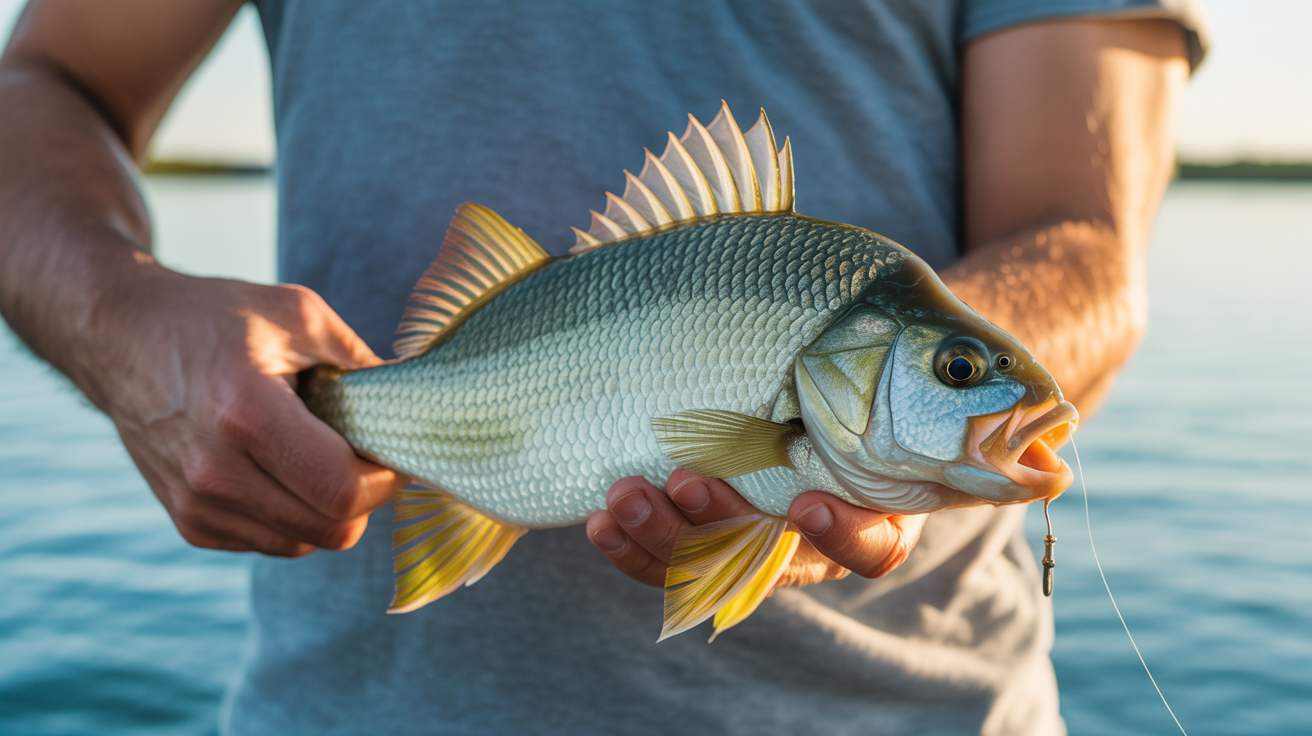
Picking up your first fish is the moment fishing gets real, and two things go wrong most often: the angler grips too hard, or the hook swings back toward their hand. Get both right from the start and the whole experience is a lot less stressful for you and the fish.
Why Handling Matters Before You Get to the Hook
When a fish is out of the water, it is under real stress. Squeezing the body can compress organs. Dry hands strip the protective slime coat, which is the fish's barrier against bacteria and fungal infection. For a released fish, damage done in those few seconds on the bank affects whether it survives.
Even if you plan to keep the fish, a firm and controlled hold protects you from hooks, spines, and teeth. Learning how to handle a fish is about being safe and practical from the very first catch. If you are still putting your first kit together, a pair of needle-nose pliers belongs in your bag before anything else does.
Wet Your Hands First
Before you touch any fish, dip both hands in the water. Wet hands reduce slime coat removal dramatically compared to dry hands. This step takes two seconds and costs nothing.
A few other things to set up before you reach for the fish:
- Keep your pliers or forceps within arm's reach before you land the fish, not after it is flopping in the grass.
- Get low. Kneeling or crouching close to the water or grass means less drop distance if the fish thrashes free.
- Keep the fish horizontal whenever possible. Holding a fish vertically by the jaw for a long time can strain the jaw joint, especially on larger bass.
- Minimize air time. For a fish you plan to release, aim for 30 seconds or less out of the water. A practical rule: if you could not hold your own breath that long, get the fish back.
How to Hold Different Freshwater Species
Not every fish is held the same way. Species have different anatomy, and some have defenses that will cut or puncture your hand if you are not paying attention.
Largemouth and Smallmouth Bass
The lip grip works well here. Curl your thumb and index finger around the lower jaw, apply light pressure, and the fish goes still. Bass do not have sharp cutting teeth, though the jaw surface is rough. Hold the fish horizontal during a photo. Dangling a large bass at a steep angle by the lip stresses the jaw joint.
Bluegill, Perch, and Other Panfish
Panfish have sharp dorsal spines along the top of the back and stiff pectoral spines on the sides near the gills. Both can jab your palm if you wrap your hand around the fish carelessly.
The safe grip: approach from behind the dorsal fin, lay your palm flat over the top of the fish so the dorsal spines press flat against your hand (they fold down when pressed from back to front), and wrap your fingers loosely around the body. Do not squeeze. This controls the fish without letting those spines point up into your skin.
Trout
Trout have no real spines to worry about, but they thrash hard and their slime coat is delicate. Support the body with two hands: one hand just behind the pectoral fins, the other cradling the tail section. Keep the fish low over the water. Do not grip the body tight.
For smaller trout on a quick release, you often do not need to lift the fish at all. Back the hook out while the fish is still cradled in shallow water and let it swim off without ever leaving the surface.
Catfish
Channel cats, bullheads, and flatheads have sharp pectoral spines (the ones that stick out to the sides just behind the head) and a stiff dorsal spine. On some species these spines are barbed, and a puncture wound from a catfish spine can cause real pain and risk infection.
The right approach: hold from behind both pectoral spines, with your thumb on one side of the body and your fingers on the other. Never let a spine press into your palm. If you do get stuck and a spine tip breaks off under the skin, clean the area well and watch for swelling or redness.
Large catfish can be gripped behind the head using the same thumb-and-fingers method, or lip-gripped on the lower jaw the same way you would grip a bass.
Northern Pike and Muskie
Do not lip-grip pike or muskie. Their mouths are lined with sharp teeth built to hold prey. The standard hold is the gill-plate hold: press your thumb and fingers firmly on the outside of the gill plates, not inside the gills themselves, and support the body from below with your other hand. This gives you control without putting fingers near the teeth.
For smaller pike, some anglers hold the fish by the tail while supporting the belly from underneath. Either way, use long-nose pliers for hook removal and keep your fingers out of the mouth.
How to Remove a Hook
When the Hook Is Barely Set
If the point is visible and the hook is not buried deep, removing it is straightforward. Grip the bend of the hook with pliers, rotate the hook back the way it went in (the opposite direction from the point), and slide it out. Following the entry angle minimizes tearing.
Backing Out a Barbed Hook
A barbed hook takes more care because the barb catches on the way back out. You have two practical options:
The push-and-rotate method. Push the hook slightly forward, just enough to free the barb from tissue, then rotate the hook and bring the point out through a small new exit close to where it entered. This works best on shallowly set hooks.
Straight back with pliers. Grip the bend with needle-nose pliers, hold the hook as flat to the fish as possible to reduce the angle of the barb against tissue, and pull back along the entry angle with steady pressure. This takes a second longer but causes less tearing than forcing the hook out at the wrong angle.
Pinching barbs down before you fish makes all of this much faster. A crimped or filed barb backs out nearly as easily as a barbless hook. Many catch-and-release waters require barbless hooks by regulation, so check the rules before you go. When you are still learning your state or province's regulations, this overview of fishing licenses is a good starting point.
When the Hook Is Swallowed
If a fish has swallowed the hook and you plan to release it, cut the line as close to the hook as possible rather than digging the hook out. A deeply buried hook causes far more damage coming out than it does being left in. Most freshwater fish will shed a small hook on their own. If you are keeping the fish, the same logic applies: cut the line and deal with the hook when you clean the fish.
Tools Worth Having
| Tool | When to Use It |
|---|---|
| Needle-nose pliers | Most hook removal situations |
| Hemostats or forceps | Deep hooks, small hooks in tight spots |
| Hook cutters or wire cutters | When the hook is buried and cannot be backed out |
| Fish grip tool | Handling pike, muskie, or large catfish by the jaw |
Species Grip and Removal at a Glance
| Species | Recommended Hold | Watch Out For |
|---|---|---|
| Bass | Lip grip, keep fish horizontal | Rough jaw surface |
| Panfish | Palm flat over dorsal, fingers around body | Dorsal and pectoral spines |
| Trout | Two-handed body support, low over water | Delicate slime coat |
| Catfish | Behind pectoral spines, thumb on one side | Pectoral and dorsal spines |
| Pike / Muskie | Gill-plate hold, support the belly | Rows of sharp teeth |
Frequently Asked Questions
Do I have to wet my hands every single time?
For any fish you plan to release, yes. The slime coat is the fish's main defense against infection, and dry hands strip it off in seconds. For fish you are keeping, wet hands still give you a better grip and reduce the chance of dropping it.
What if I do not have pliers with me?
Your fingers can work for a barely-set hook that you can see clearly. For anything set more firmly, bare fingers give you much less control and put your hand near a sharp point. A basic pair of needle-nose pliers fits in any tackle bag and is on the beginner gear list for good reason.
What do I do if a hook goes through my own finger?
It happens. If the barb has not passed through, back the hook out the way it came in with pliers. If the barb is buried, the push-through method works: push the point all the way through the skin, cut the barb off with wire cutters, then back the hook out through the original entry. Clean the wound thoroughly with soap and water. If the hook is near a joint, deep, or the area swells significantly, go to urgent care.
How long can a fish stay out of the water before it is in real trouble?
Most freshwater species can handle 30 seconds without lasting harm. Beyond that, survival rates for released fish drop. If a fish is rolling sideways when you put it back, hold it in the water facing into any current until it rights itself and swims off. Do not toss it in and walk away.
Are there regulations about how I handle fish?
Some waters have rules about landing nets, live wells, or keeping species out of the water for photos. Size and creel limits are the most common regulations beginners run into. Always check current rules with your state or province fish and wildlife agency before you fish. For a walkthrough on finding that information, read the beginner's complete fishing guide.